“Action without knowledge is reckless, and knowledge without action is futile.” 📚
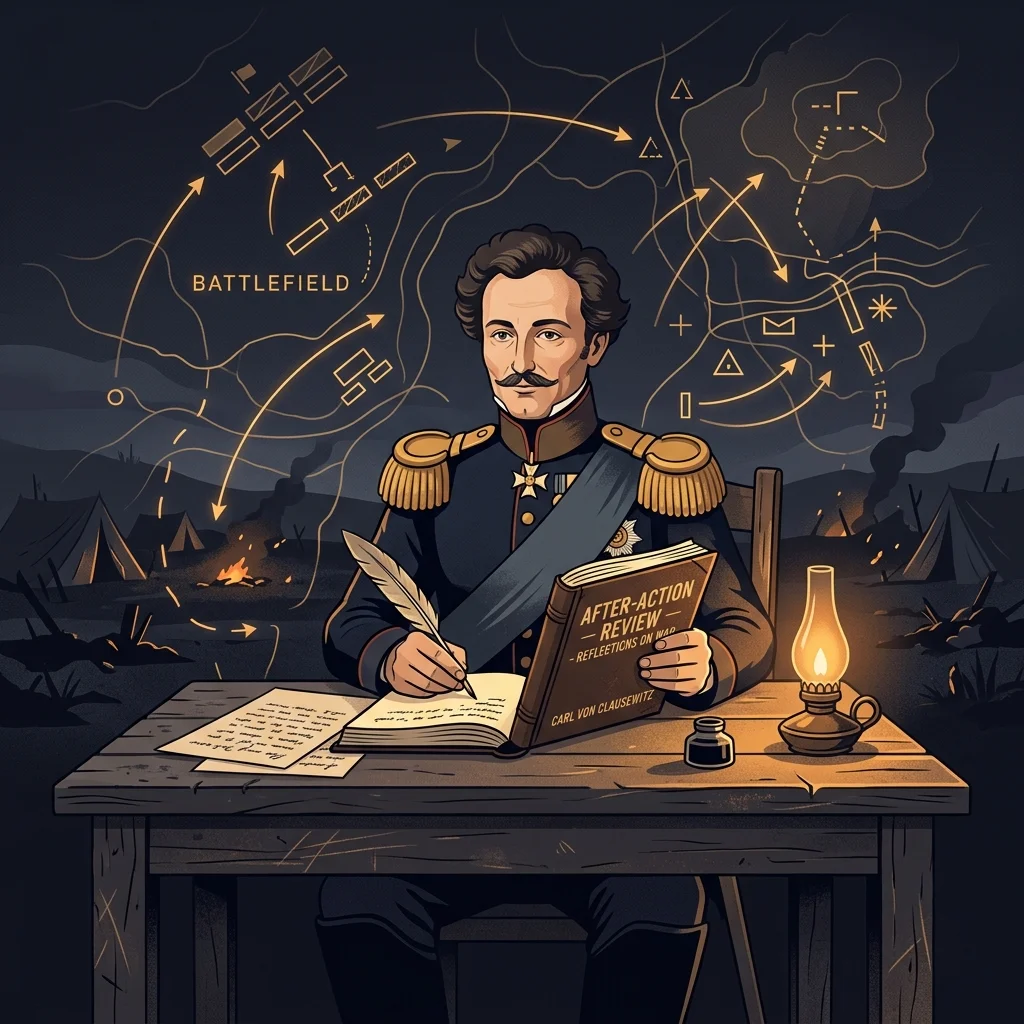
Mustafa Kemal Atatürk, the founding father who established the modern Republic of Türkiye from the ashes of the Ottoman Empire and led sweeping reforms across education, law, and culture, possessed extraordinary cognitive executive capacity. Having read over 4,000 books throughout his life, his remarkable intellectual acumen as a military strategist and statesman was grounded in a unique nighttime knowledge systematization routine.
Reading history, political science, and philosophy late at night in his study, Atatürk never read passively. Holding red and blue pencils, he meticulously annotated book margins (marginalia) with his own symbolic notation—marking criticisms, queries, and policy ideas. Following his reading sessions, he extracted core concepts and notes onto thematic index cards, systematically categorizing them to serve as direct foundations for state policies and national reforms.
This routine was a sophisticated active cognitive processing strategy that halted passive information absorption and expanded working memory. In today’s post, we introduce the cognitive neuroscience principles of Active Reading and Externalized Knowledge Networks embedded in Atatürk’s marginalia and thematic card indexing routine.
Historical & Academic Evidence
This content is based on Dr. Andrew Mango's Biography *Atatürk: The Biography of the Founder of Modern Turkey* (Overlook Press), Anıtkabir & Atatürk Special Library Archives in Ankara, and Cognitive Neuroscience Research.
 BuildSelf
Inspired by historical greats? Make it your daily habit!
BuildSelf
Inspired by historical greats? Make it your daily habit!

















1. Active Knowledge Reconstruction Through Marginalia and Thematic Indexing
Engaging actively with text through handwritten marginal annotations using color-coded pencils (red/blue) instead of passive reading stimulates ‘Active Cognitive Processing’ in the brain. This expands Working Memory and maximizes cognitive elaboration of information.
Furthermore, extracting and reassembling annotated notes into a thematic card index forms an ‘Externalized Knowledge Network’ outside the brain. This scientific routine transforms ambiguous, fragmented information into concrete, systematic action plans.
2. 3-Step Practical Routine for Modern Professionals
Step 1: Midnight Active Reading & Color-Coded Marginalia (Active Processing)
Annotate book margins directly with red/blue pens during late-night reading, recording critical questions, key points, and emerging ideas.
Step 2: Thematic Knowledge Extraction & Card Indexing (Knowledge Networking)
Extract marginal notes after reading onto standalone cards organized by theme (politics, history, law) into a systematic index system.
Step 3: Translating Refined Knowledge into Real-World Execution (Policy Application)
Reference indexed knowledge cards directly when drafting projects, proposals, or policies, converting abstract thoughts into concrete outcomes.
3. Building a Modern Intellectual Firewall to Systematize Scattered Information
Avoid passively consuming digital content without engagement. The key is annotating thoughts directly using your own symbolic system and categorizing them into a thematic knowledge system to connect learning directly with execution.
📌 Frequently Asked Questions (FAQ)
Can this marginalia routine be applied to digital e-books or PDF documents? ▼
Yes, absolutely. Using PDF highlighting and annotation features, then syncing key notes into digital card apps like Notion or Zettelkasten systems achieves the exact same knowledge systematization benefits.
What is the cognitive difference between simple highlighting and writing marginalia? ▼
Simple highlighting often leaves the brain in a passive cognitive state, whereas writing marginalia in your own words activates prefrontal language circuits, deeply encoding knowledge into long-term memory through critical synthesis.