“As soon as coffee is in your stomach, there is a general commotion. Ideas begin to move like the battalions of the grand army.” ☕
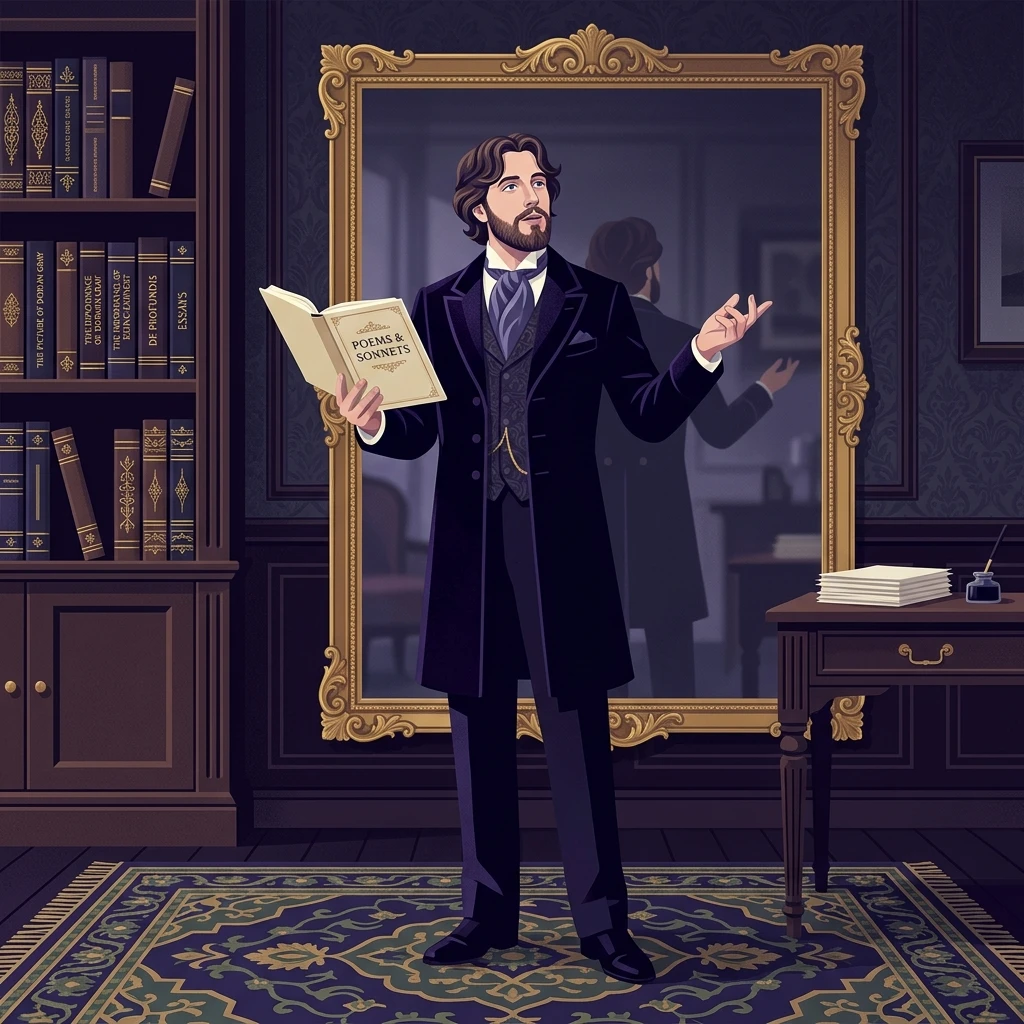
Honoré de Balzac (1799–1850) was a titan of 19th-century French realist literature and the literary giant who authored ‘La Comédie humaine’, a monumental collection of over 90 novels interwoven into a single expansive narrative universe. Through masterpieces like ‘Father Goriot’ and ‘Eugénie Grandet’, he sharply dissected human desire and societal absurdities. His staggering creative output stemmed directly from an extraordinary writing routine that pushed his body and mind to their absolute limits.
Balzac followed a rigorous ‘hyperfocus’ schedule with a completely inverted sleep-wake cycle. Going to bed early at 6 PM, he woke up at midnight when the world fell into deep silence. Dressed in a white monk’s robe and illuminated by just two candles, he eliminated all external distractions, pouring his soul into pen and paper for roughly 12 hours until noon the following day. To sustain this brutal solitude of deep work, his ultimate stimulant of choice was concentrated black coffee. Consuming dozens of cups daily, he kept his brain in a state of high alertness—an intense setup that funneled all cognitive resources into a single task amidst zero-interruption stillness.
In today’s post, we analyze the brain science behind Balzac’s midnight hyperfocus routine and present a 3-step practical guide for modern individuals to utilize quiet Deep Work Blocks to tackle complex, high-priority tasks efficiently.
Historical & Academic Evidence
This content is based on Historical Verification from Stefan Zweig's Biography *Balzac* & Cognitive Neuroscience Research.
 BuildSelf
Inspired by historical greats? Make it your daily habit!
BuildSelf
Inspired by historical greats? Make it your daily habit!

















1. Synergy of Total Cognitive Noise Elimination and Adenosine Inhibition
The biggest obstacle to brain focus is incoming ‘Cognitive Noise’ and ambient visual or auditory stimuli. Late-night hours, free from phone calls and messenger notifications, offer an optimal environment where prefrontal cognitive control resources can be dedicated entirely to a single task. In addition, caffeine blocks adenosine receptors that signal fatigue to the brain, preventing the sensation of tiredness. Consequently, the release of dopamine and norepinephrine is stimulated, sharpening concentration and maintaining mental alertness over extended periods.
2. 3-Step Practical Routine for Modern Professionals
Step 1: Reserving a Quiet Focus Block (2-3 Hours) 1-2 Times a Week
Working late at night every day damages health. Instead, designate 1-2 times a week after 10 PM or early morning when external contact drops off, securing 2-3 hours of undisturbed immersion.
Step 2: Complete Disconnection from Visual and Digital Stimuli
Lower the overall room lighting and turn on a single desk lamp to lock your gaze. Set your smartphone to silent and place it inside a drawer to block visual and notification distractions.
Step 3: Pairing a Beverage & Immersing in a Single Core Task
Prepare a cup of warm coffee or tea, avoid multitasking, and pour all your energy exclusively into a single, highly important task pre-selected for this block.
3. Protecting Circadian Rhythms & Guarding Against Caffeine Abuse
Balzac’s midnight wake-up and excessive caffeine intake inflicted severe stress on his body. (In fact, Balzac passed away at the early age of 51 due to heart disease exacerbated by sleep deprivation and heavy coffee consumption.) Therefore, when applying this focus strategy, modern individuals should avoid destroying daily sleep patterns and instead selectively utilize quiet 2-to-3-hour focus blocks while preserving their natural circadian rhythm.
📌 Frequently Asked Questions (FAQ)
Does consuming coffee late at night or early in the morning interfere with sleep? ▼
Yes, it can degrade sleep quality. Since Balzac's midnight wake-up lifestyle is impractical for modern individuals, if you are sensitive to caffeine, replace it with decaffeinated coffee or warm herbal tea, and schedule focus blocks right after work or early in the morning before commuting.