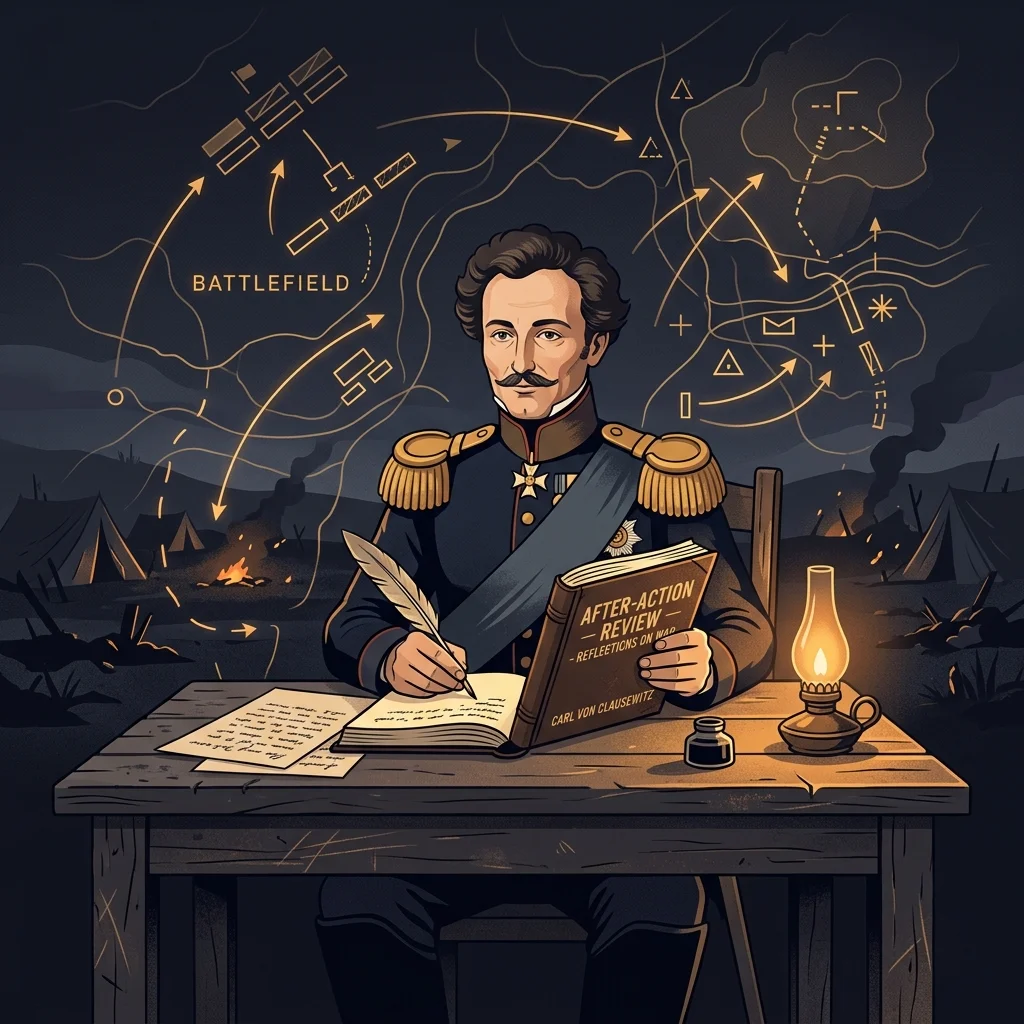
Catherine the Great (1729–1796), the Enlightened Monarch who elevated 18th-century Imperial Russia into a leading European superpower through legal, cultural, and diplomatic reforms. Rising from minor German nobility of Anhalt-Zerbst to the imperial throne, she sustained an extraordinary workload through continuous reading and mental discipline, expanding borders, restructuring administration, and drafting the famous Nakaz (Grand Instructions). ☕📜
Behind her extraordinary executive capacity lay a strict 3-hour morning silent ritual. Every morning at 5:00 AM (6:00 AM in winter), Catherine rose independently. Before her servants woke, she lit her own stove to warm her study, brewed potent black coffee, and sat at her desk. The three hours before her official court sessions at 9:00 AM were her inviolable, solitary deep-work period. During this window, she exchanged handwritten letters with top Enlightenment thinkers like Voltaire and Diderot, refined diplomatic dispatches, and personally drafted state legislation. This morning deep work was the secret that enabled her to maintain sharp strategic clarity amidst political rivals and foreign threats.
In today’s post, we dissect how Catherine the Great’s 5 AM reading and statecraft routine shields against distraction and maximizes prefrontal executive function from a cognitive neuroscience perspective.
Historical & Academic Evidence
This content is based on Historical Verification from Henri Troyat's *Catherine the Great* & *Memoirs of Catherine the Great* (Primary Source) and Cognitive Neuroscience Research.
 BuildSelf
Inspired by historical greats? Make it your daily habit!
BuildSelf
Inspired by historical greats? Make it your daily habit!

















1. Cortisol Awakening Response (CAR) and Prefrontal Executive Function Optimization
The Cortisol Awakening Response (CAR) occurring 30–45 minutes post-waking sharply enhances executive functioning within the brain’s Prefrontal Cortex (PFC), creating an optimal neurobiological state for complex decision-making and long-term strategic vision. Practicing 3 hours of ‘Uninterrupted Deep Work’ before social demands or administrative friction prevents cognitive fragmentation caused by task-switching costs. This neural environment ensures peak synthesis of complex legislation and diplomatic strategy without incurring cognitive overload.
2. 3-Step Practical Routine for Modern Professionals
Step 1: Establishing a 5 AM Distraction-Free Silent Environment & Morning Brew
Rise early at a set morning time (e.g., 5:00–6:00 AM), completely isolating your cognitive environment from phone notifications, emails, or social interruptions while preparing a warm beverage to stimulate alertness.
Step 2: Allocating Complex Decision-Making & Legislative/Strategic Planning
During the first 2 hours when willpower and prefrontal executive function are at their peak, dedicate yourself to drafting complex proposals, analyzing critical documents, or structuring strategic visions.
Step 3: Expanding Intellectual Horizons with Classical Reading & Philosophical Writing
Spend the final 30–40 minutes of your morning session reading classical literature or composing reflective letters to mentors/peers, consolidating your cognitive and intellectual foundation for the day.
3. Caution: Preventing Sleep Deprivation and Excessive Caffeine Dependency from Misguided Perfectionism
When adopting an early morning rising habit, avoid prematurely shifting your wake-up time without securing adequate prior sleep. Waking early while sleep-deprived and relying heavily on caffeine degrades prefrontal cortex performance and depletes cognitive resources prematurely. A synchronized circadian rhythm—going to bed earlier to wake earlier naturally—must precede early rising, and dawn hours should remain strictly isolated from external communication devices.
📌 Frequently Asked Questions (FAQ)
Can night owls apply this 5 AM routine effectively? ▼
You do not need to force a rigid 5 AM alarm. The core principle is securing 2 to 3 hours of uninterrupted, solitary focus immediately after waking. Align the habit with your natural circadian rhythm, ensuring you tackle your highest-priority strategic tasks when your mind is freshest before external demands flood in.
What should I do if my focus wanders or I get distracted during early morning sessions? ▼
Prepare your workspace and task list the night before. Just as Catherine the Great pre-selected the dispatches and legislative drafts to analyze each morning, structure your desk so your brain can immediately enter deep work upon waking without wasting cognitive energy on deciding what to do.