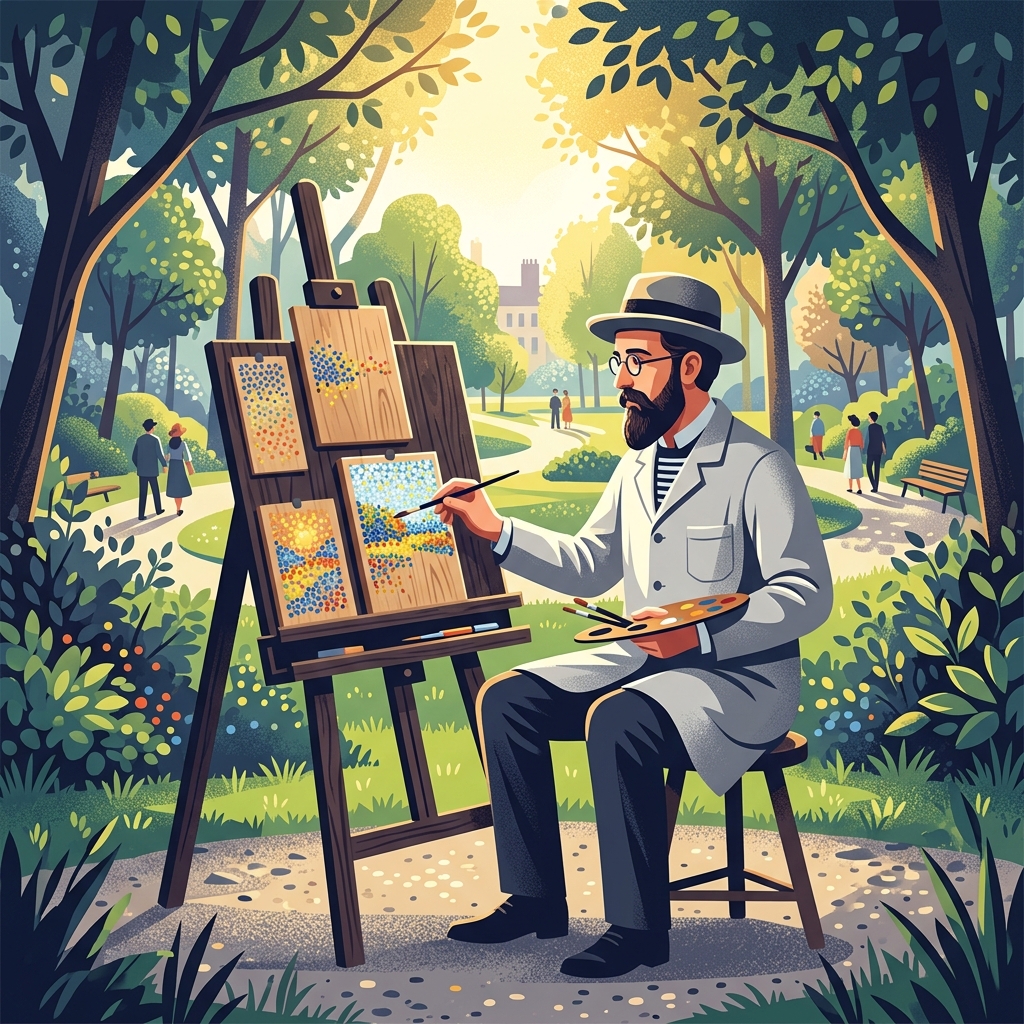
“Tending a garden is the most sacred analog ritual to hear the great voice of life once again and calm inner turbulence.” 🌿
Hermann Hesse (1877–1962) was the visionary German-Swiss novelist, poet, and painter who authored immortal masterpieces such as Demian, Beneath the Wheel, Narcissus and Goldmund, and The Glass Bead Game, earning the Nobel Prize in Literature in 1946. Throughout his life, Hesse wrestled with intense internal turmoil, severe nervous exhaustion, and the devastating socio-political upheaval of two World Wars. His ultimate sanctuary of psychological healing and spiritual grounding was his rural garden in Montagnola, Switzerland.
Inside his country garden, Hesse engaged in strenuous yet grounding physical labor: tilling the earth, pulling stubborn weeds, snapping dead branches by hand, and sawing timber. While moving his body with diligence, he anchored his sensory awareness entirely to the rustling forest leaves, gentle wind chimes, and earthy scent of damp soil. This analog nature contemplation routine served as the vital anchor that soothed his fragile nervous system and restored his creative spirit.
In today’s post, we unpack the cognitive neuroscience behind Hermann Hesse’s ‘soil tilling and wind contemplation’ routine and present a practical 3-step guide to soothe anxiety and restore emotional equilibrium.
Historical & Academic Evidence
This content is based on Historical Verification from Hermann Hesse's Essay *Joy of Gardening (Freude am Garten)* & Collected Letters, along with Cognitive Neuroscience and Environmental Psychology Research.
 BuildSelf
Inspired by historical greats? Make it your daily habit!
BuildSelf
Inspired by historical greats? Make it your daily habit!

















1. Inhibiting Default Mode Network (DMN) Hyperactivation and Nervous System Relaxation
Engaging in simple physical labor while focusing on nature’s soil, forest, and multi-sensory inputs suppresses the hyperactivation of the brain’s Default Mode Network (DMN), which drives rumination and excessive mind-wandering. This physiological shift causes a sharp drop in the stress hormone cortisol and activates the Parasympathetic Nervous System, purging chronic anxiety and prefrontal cognitive fatigue while inducing profound emotional serenity.
2. 3-Step Practical Routine for Modern Professionals
Step 1: Digital Disconnection & Setting Up a Natural Contemplation Environment
Mutedly stow your smartphone in your pocket and relocate to a nearby park, tree-lined path, or an analog contemplative space featuring potted plants.
Step 2: 10 Minutes of Five-Senses (Tactile, Auditory, Olfactory) Immersion
Remove earphones completely. Concentrate your attentional resources exclusively on ground texture beneath your soles, whispering wind and birdsong, and the aroma of soil and leaves as you walk slowly or garden.
Step 3: Prefrontal Cognitive Reset & Analog Sensory Journaling
When natural stimuli quiet your Default Mode Network (DMN) and clear your mind, return to your study or notebook and record your inner peace and newly emerged thoughts in a single concise line.
3. Caution: Blocking Work-Related Rumination and Immersing Exclusively in Analog Sensory Stimuli
When walking or tending a garden, avoid carrying today’s work worries or stress into the activity. For 10 to 15 minutes, channel your full awareness exclusively into receiving external analog sensory inputs—the tactile feel of earth against fingertips, the whispering wind, and the aroma of leaves—allowing your brain to achieve complete cognitive recovery.
📌 Frequently Asked Questions (FAQ)
Must I perform physical labor like weeding and sawing wood while actually touching soil? ▼
Physical activity like touching garden soil and weeding acts as a perfect signal allowing your exhausted prefrontal cortex to rest from 'directed attention'. However, if you lack a garden, simply strolling along a forest path, touching tree branches, or listening to the wind delivers identical neurological relaxation benefits.
How can I substitute this if I live in an apartment or urban area without a garden or soil? ▼
You can easily substitute it by tending small indoor potted plants on a balcony, repotting, or pruning withered leaves. Walking through urban parks or tree-lined pathways while focusing on the aroma of leaves and soil also serves as an exceptional analog contemplation method.