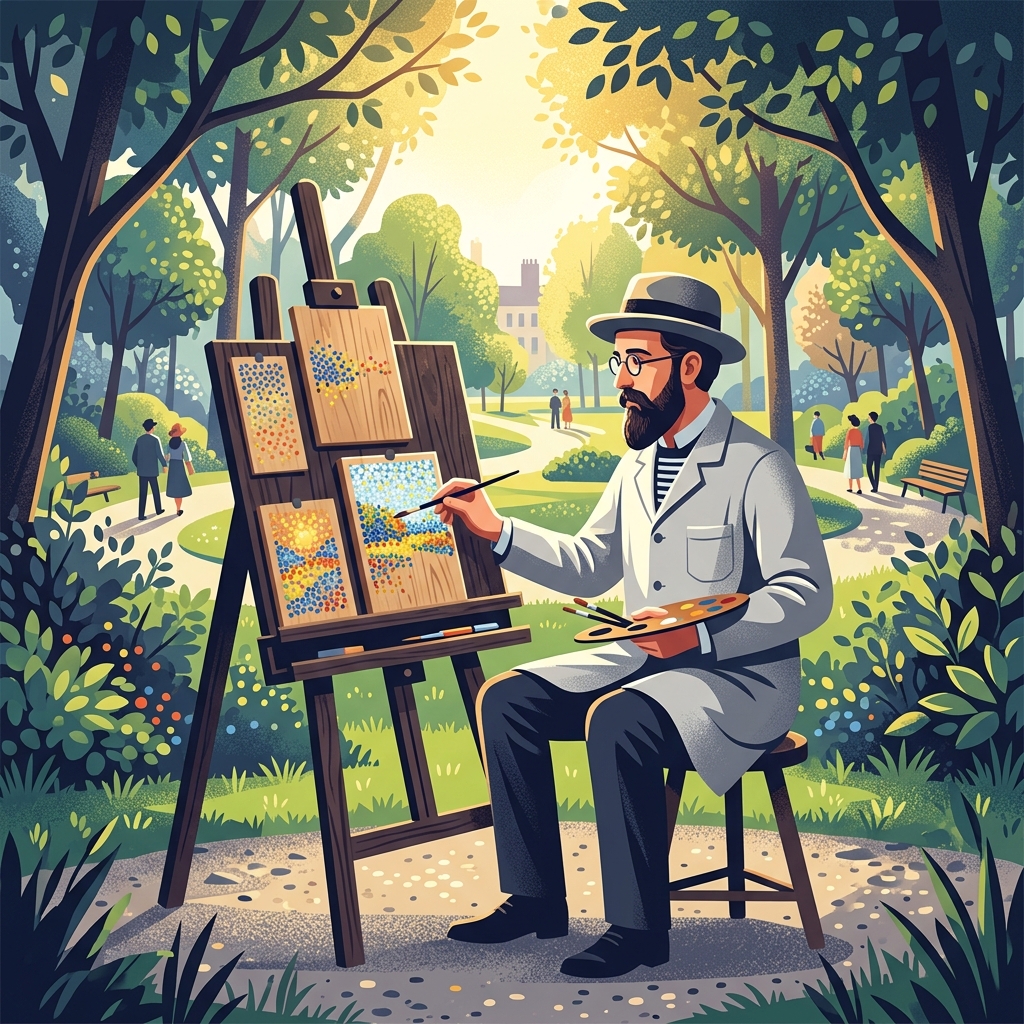
“Whoever wants to know something about me as an artist ought to look carefully at my pictures… But to fuel my artistic soul, I walk quietly among the morning roses.” 🎨
Gustav Klimt (1862–1918) was the Austrian Symbolist painter who pioneered the Golden Phase, crafting timeless masterworks like The Kiss and Judith and the Head of Holofernes with shimmering gold leaf and intricate organic geometry. Where did Klimt recharge his immense visual imagination and creative stamina?
Every summer, escaping the urban noise and studio pressures of Vienna, Klimt retreated to the shores of Lake Attersee in upper Austria. As documented in the Attersee Archives, Klimt woke early every morning, donned his iconic loose-fitting blue painter’s smock, and strolled silently through flower gardens brimming with roses and wildflowers. Carrying a small ivory square viewfinder in his pocket, he held it up to isolate rose petals, tree bark textures, and light particles sparkling on the water. Immersing his eyes in natural fractal geometry without the need for conscious intellectual exertion induced ‘Soft Fascination’. This daily nature observation routine cleared his prefrontal cortex of Directed Attention Fatigue, providing the neurobiological foundation for his ornamental art style.
In today’s post, we examine the environmental psychology and neuroscience behind Gustav Klimt’s ‘morning garden walk’ routine and present a modern 3-step practice guide to restore executive attention using natural fractals.
Historical & Academic Evidence
This content is based on Historical Verification from Gustav Klimt Biographies, Attersee Archives & Cognitive Neuroscience and Environmental Psychology Research.
 BuildSelf
Inspired by historical greats? Make it your daily habit!
BuildSelf
Inspired by historical greats? Make it your daily habit!

















1. Natural Fractal Observation and Attention Restoration Theory (ART)
Working amidst artificial digital screens and dense urban structures forces the brain to expend Directed Attention resources, triggering severe Attention Fatigue in prefrontal networks. According to Rachel and Stephen Kaplan’s Attention Restoration Theory (ART), natural geometries—such as botanical fractals in rose petals and leaves—engage the mind effortlessly through a state known as Soft Fascination. Observing natural structures without cognitive suppression restores depleted central executive capacity in the Prefrontal Cortex, allowing creative sensory processing to recharge.
2. 3-Step Practical Routine for Modern Professionals
Step 1: Morning Outdoor Garden Walk & Establishing an Analog Environment
Spend 10 to 15 minutes after waking up walking to a nearby garden, park, or veranda with potted plants, standing quietly in an analog natural environment.
Step 2: 3 Minutes of Precision Observation of Botanical Fractals
Examine a single flower petal or leaf closely. Anchor your vision quietly for 3 minutes on leaf veins, subtle color gradients, and recurring organic fractal arrangements.
Step 3: Prefrontal Attention Reset via Soft Fascination Immersion
After immersing in the restorative effects of natural patterns, sit at your desk with a refreshed prefrontal cortex to tackle your most creative daily tasks.
3. Caution: Bypassing Smartphone Camera Frames to Immerse in Naked-Eye Contemplation
The moment you pull out a smartphone camera with the intention of snapping pictures for social media, your brain re-engages social evaluation networks and artificial framing, sabotaging the attention restoration process. As Klimt did, contemplate natural depth, lighting gradients, and micro-patterns directly with your naked eyes rather than filtering reality through a digital lens.
📌 Frequently Asked Questions (FAQ)
How can I practice this routine if I don't have access to a garden or park nearby? ▼
Gazing closely for 3 minutes at indoor potted plants, houseplants, street trees outside your window, or drifting clouds delivers identical Attention Restoration Theory (ART) benefits.
How can I adapt the garden walk routine on rainy or inclement weather days? ▼
Stand by a window and silently observe raindrops trickling down the glass or the patterns formed by falling rain. The fluid organic geometry of water droplets functions as an exceptional Soft Fascination trigger.