
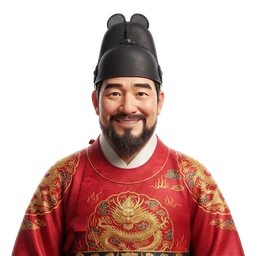
Su Dongpo (Su Shi, 1037–1101), a master poet, essayist, calligrapher, and statesman representing the Northern Song Dynasty. Despite being repeatedly exiled to remote areas like Huangzhou, Huizhou, and Hainan Island due to political strife, he conquered despair through his romantic optimism and sensual daily habits.
Every morning, Su Dongpo strolled through misty bamboo groves, breathing in fresh phytoncides. Afterward, he placed a clay pot over a low fire and slowly simmered pork and tea for hours—a slow-food ritual that birthed the famous dish ‘Dongpo Pork’. Listening to the forest wind and watching steam rise from his stew reset his senses, acting as emotional medicine against exile anger.
In this post, we explore the nervous system science behind Su Dongpo’s bamboo walk and slow-cooking routine for autonomic balance and emotional healing.
Historical & Academic Evidence
This content is based on Historical Biography of Su Dongpo (Su Shi) & Cognitive Neuroscience Studies.
 BuildSelf
Inspired by historical greats? Make it your daily habit!
BuildSelf
Inspired by historical greats? Make it your daily habit!
















1. How Somatic Routines Activate the Parasympathetic Nervous System & Resilience
Trying to suppress emotional trauma or injustice purely through force of thought causes the brain’s amygdala to loop obsessively, compounding distress.
Engaging in a ‘Somatic Routine’ like Su Dongpo—feeling heat, smelling ingredients, and focusing on manual touch—distributes neural activity to sensory cortical areas, instantly stimulating parasympathetic tone and dissolving emotional friction into psychological resilience.
2. 3-Step Practical Routine for Modern Professionals
Step 1: 10-Minute Morning Nature Reset Walk
Walk through a nearby park, tree-lined path, or neighborhood in the morning, letting the fresh air blow away emotional clutter from your mind.
Step 2: 10-Minute Immersion in Simple Home Cooking
Brew warm tea or prepare a simple dish like porridge or toast, focusing completely for 10 minutes on the warmth, aromas, and tactile feel of chopping ingredients.
Step 3: Savoring Flavor & Embracing Unshakable Optimism
Take a bite of the completed food, slowly savor its flavors, and reinforce the inner conviction that 'no trial can disturb my inner peace.'
3. Focus on the Process of Cooking & Walking, Not Just the Result
The essence of Su Dongpo’s cooking lies in the tranquil state of waiting for ‘Huohou’ (precise heat control). Do not rush to finish the food; instead, immerse yourself in the tactile sensations, aromas, and sounds as the ingredients simmer.
📌 Frequently Asked Questions (FAQ)
Is this routine applicable for complete beginners who cannot cook at all? ▼
Yes! This is not about complex culinary recipes. Simply brewing drip coffee or carefully frying a single egg provides the full somatic sensory benefit.
Does the physical act of cooking really reduce stress levels? ▼
According to occupational therapy research, manipulating food ingredients with hands to create a finished result suppresses depressive neural signals and boosts self-efficacy.