“All that I know most surely about morality and obligations I owe to football.” ⚽
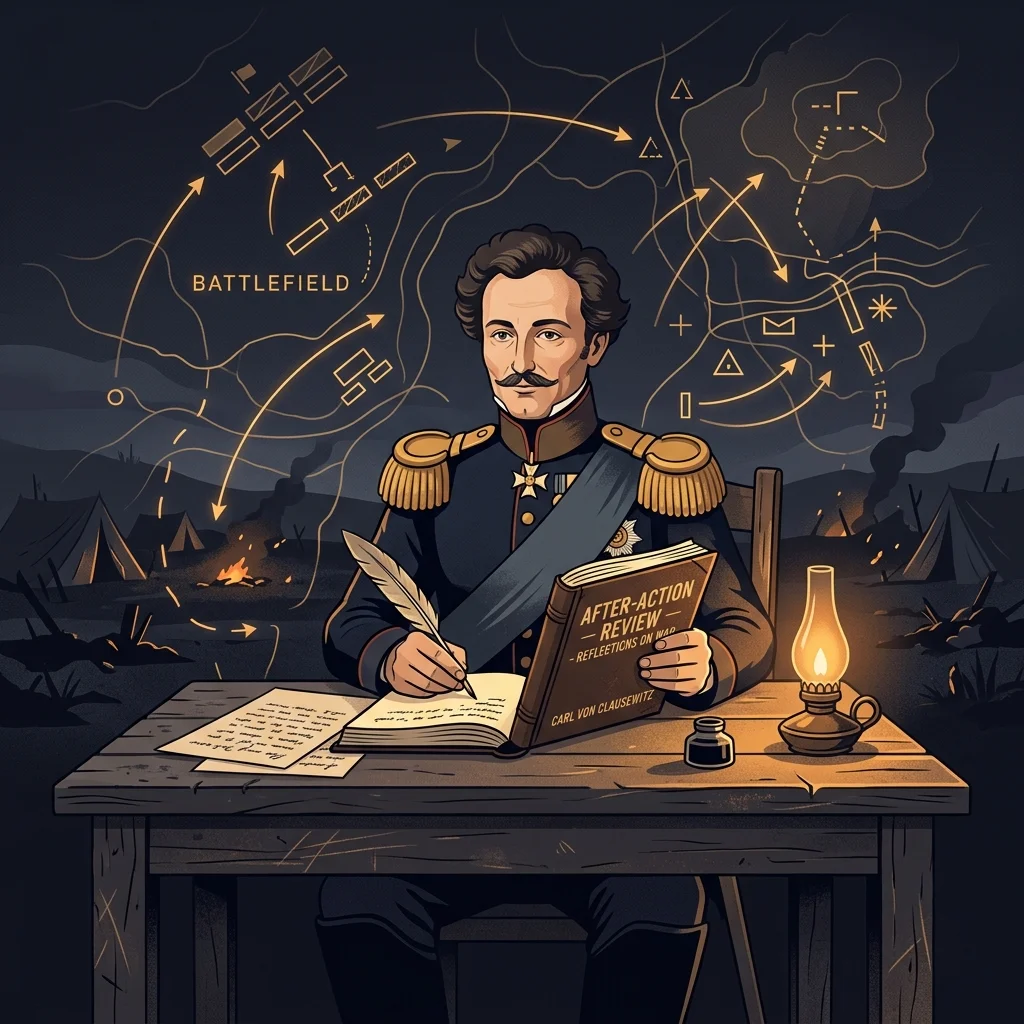
Albert Camus (1913–1960) was a monumental French novelist and philosopher who ignited the 20th-century intellectual landscape with his philosophy of the Absurd—urging humanity to revolt against life’s inherent meaninglessness rather than submit. Awarded the Nobel Prize in Literature at the young age of 44 for masterpieces like ‘The Stranger’, ‘The Plague’, and ‘The Myth of Sisyphus’, he nevertheless suffered severe creative slumps, physical fragility from lifelong tuberculosis, and existential depression.
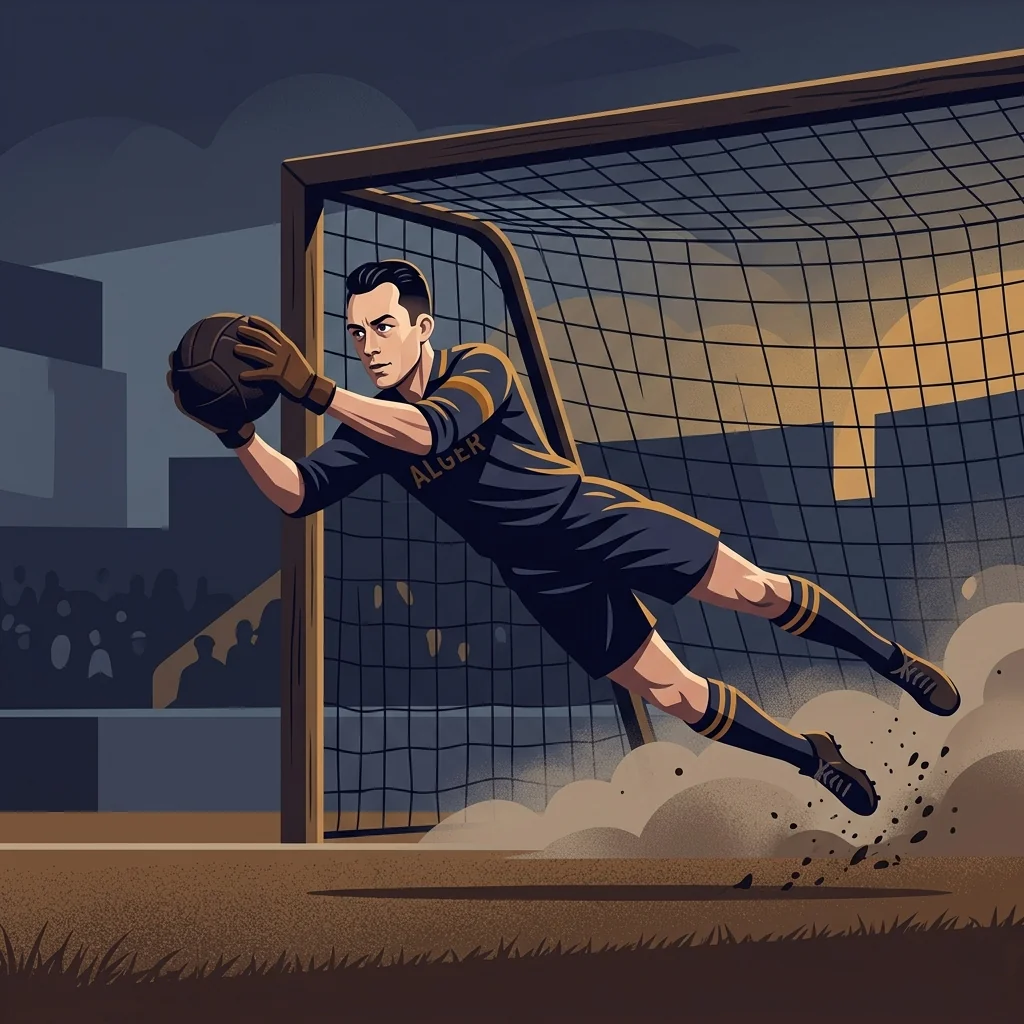
The secret that allowed Camus to overcome cognitive breakdown and continue generating major literary works was his ‘football reset routine’ on rough pitches. Playing as a starting goalkeeper during his time at the University of Algiers, he maintained a lifelong passion for the sport. Whenever his thoughts stalled and his brain hit a wall, he laid down his fountain pen and headed straight for the pitch. Throwing his body into the dirt to block incoming shots, yelling, and reacting to physical trajectories forced his hyper-focused prefrontal cortex offline, completely resetting his mental energy.
In today’s post, we analyze the brain science underlying Albert Camus’s sports reset routine and present a 3-step dynamic action plan for modern individuals to break free from burnout and restore peak cognitive vitality.
Historical & Academic Evidence
This content is based on Historical Verification from Olivier Todd's Biography *Albert Camus: A Life* & Cognitive Neuroscience Research.
 BuildSelf
Inspired by historical greats? Make it your daily habit!
BuildSelf
Inspired by historical greats? Make it your daily habit!

















1. Forced Prefrontal Offline and Cerebellar-Motor Cortical Cognitive Switching
Engaging in high-level reasoning, writing, or planning exhausts the prefrontal cortex by burning vast amounts of glucose. When prefrontal resources deplete, cognitive paralysis, burnout, and emotional fatigue set in. Throwing oneself into high-intensity physical movement—like a goalkeeper reacting to a shot—forces the brain to shift active processing away from the prefrontal cortex toward the cerebellum and motor cortex, which govern spatial control, motor reflexes, and balance. This rapid ‘Cognitive Switching’ pushes the overworked prefrontal cortex into a forced offline state, giving it a physiological rest window, lowering cortisol levels, and restoring neurotransmitters so that returning to the desk yields fresh insights.
2. 3-Step Practical Routine for Modern Professionals
Step 1: Detecting Burnout, Leaving Workspace & Blocking Digital Devices
The moment you feel cognitive paralysis, ideational block, or burnout during work, immediately stand up, turn off computer screens, set down smartphones, and change into sportswear.
Step 2: 30 Minutes of Reflex-Driven Dynamic Physical Sport
Head outdoors for 30 minutes to engage in motor reflex activities—such as soccer ball juggling and goal-defending, badminton rallies, or fast ball-catching—tracking rapid physical trajectories.
Step 3: Hydration, Heart Rate Recovery & Feeling Prefrontal Reset
Drink cool water post-exercise and stabilize your heart rate with deep abdominal breathing. Feel the complete clearing of prefrontal fatigue and the return of crisp mental clarity.
3. Caution & Tips: Excluding Score-Obsessed Competition and Heavy Strategic Games
The objective of this routine is full prefrontal recovery and cognitive refresh. If you engage in hyper-competitive league matches or sports requiring intense tactical calculation, your prefrontal cortex remains active, suffering secondary cognitive overload. To gain the prefrontal offline effect, focus on intuitive physical movement—reacting to moving objects or engaging in non-score-driven, movement-focused outdoor activities.
📌 Frequently Asked Questions (FAQ)
How can I practice this routine in a solo environment without partners for team sports? ▼
You can easily practice solo. Rebound ball-drills against a wall (squash or tennis balls), punching a boxing bag, or agility ladder drills stimulate the cerebellum and motor cortex, effectively taking the prefrontal cortex offline without needing partners.
Does engaging in physical exercise on days with extreme mental exhaustion cause further fatigue? ▼
Mental cognitive fatigue and physical muscle fatigue are physiologically distinct. Brain fatigue resulting from prolonged intellectual work stems from metabolic congestion in the prefrontal cortex. Engaging in 'Active Recovery'—moving your body to circulate blood flow and shift neural processing to the cerebellum—is precisely what flushes brain fatigue metabolites.