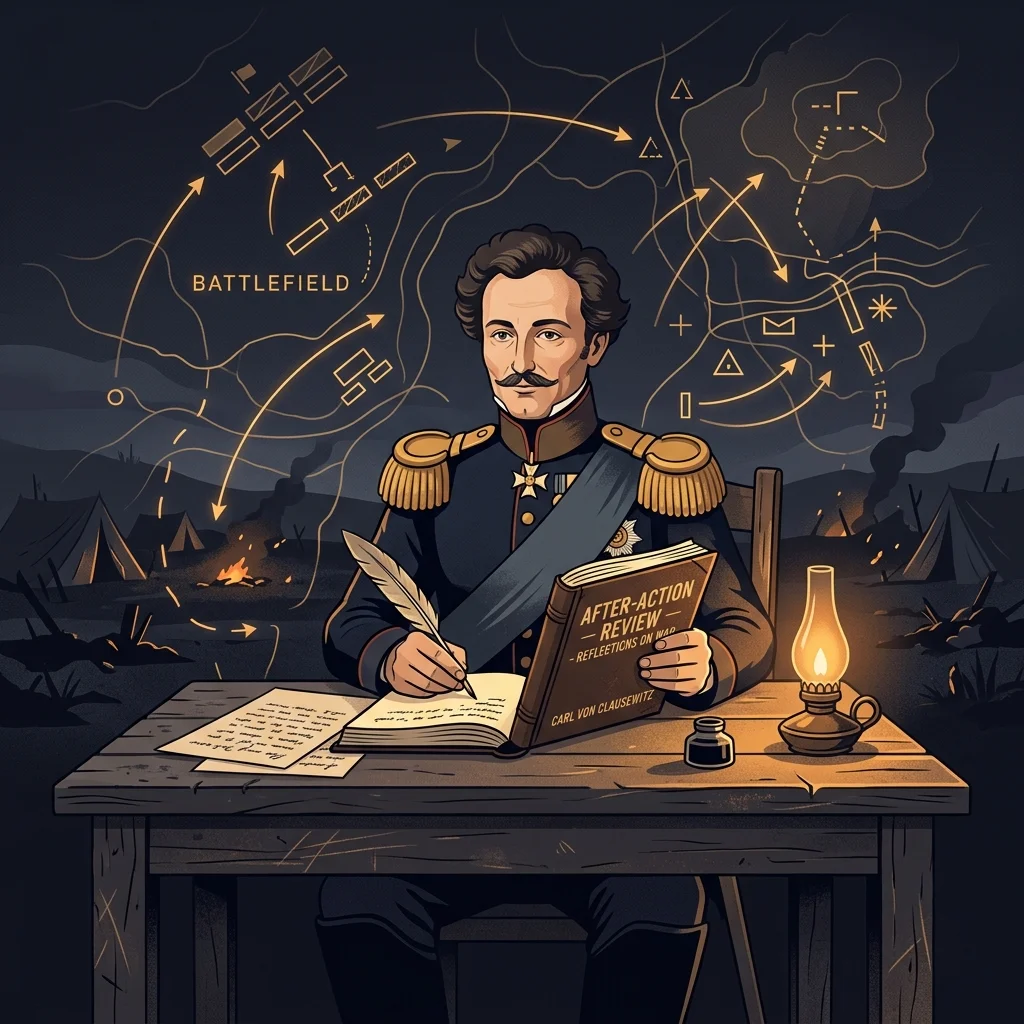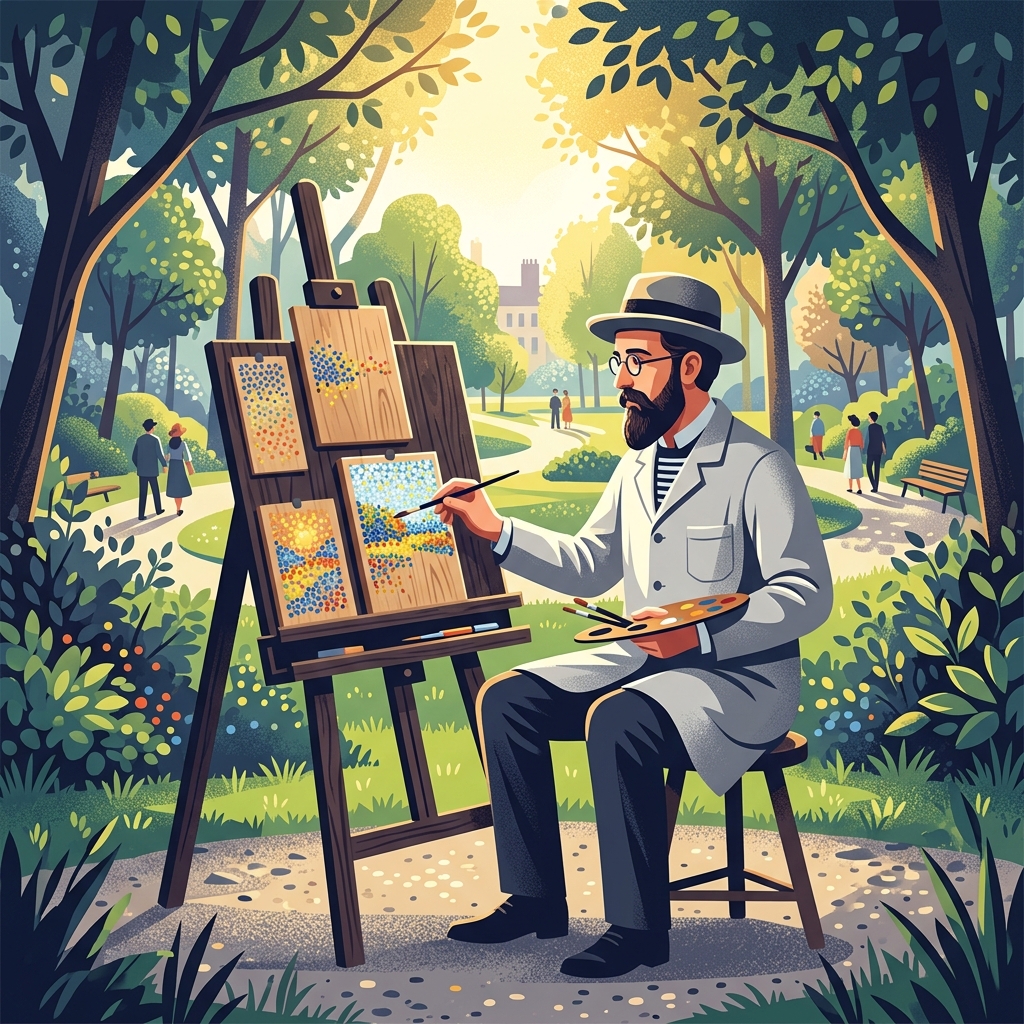
“When thoughts arise in the woods, if they are not locked into a notebook instantly, they take wing and fly away forever.” 📓
Ralph Waldo Emerson (1803–1882) was the titan of 19th-century American Transcendentalism who declared the intellectual independence of the New World. His monumental essays, including Self-Reliance and Nature, deeply influenced Henry David Thoreau and Walt Whitman, shaping the bedrock of modern American philosophy.
The secret behind his vast, interconnected philosophical system was his strictly disciplined two-step routine: pairing outdoor walks with structured evening journal synthesis. During the day, Emerson wandered through the woods around Concord, Massachusetts, capturing raw poetic insights with a pencil in a small pocket notebook. Every evening in his study, he transferred and expanded these raw notes into a massive leather-bound journal—which he famously called his ‘Savings Bank’—structuring fragmented thoughts into coherent essays. In today’s post, we examine the cognitive neuroscience of Emerson’s routine.
Historical & Academic Evidence
This content is based on Historical Verification from *The Journals of Ralph Waldo Emerson* & Cognitive Neuroscience Research.
 BuildSelf
Inspired by historical greats? Make it your daily habit!
BuildSelf
Inspired by historical greats? Make it your daily habit!

















1. Cyclical Engagement of Diffuse and Convergent Cognitive Modes
Cognitive neuroscience reveals that creative problem-solving reaches its peak when the brain alternates between the ‘Diffuse Mode’—where relaxed states trigger the Default Mode Network (DMN) to associate random ideas—and the ‘Convergent (Focused) Mode’, governed by executive networks that verify logical coherence. Emerson’s daytime walking in nature stimulated bodily movement and disengaged rigid focus, fully activating the Diffuse Mode. In the evening, sitting at his desk to transfer and structure raw pocket notes into a master journal engaged the Convergent Mode. This two-stage cognitive routine refines volatile creative sparks into durable, structured knowledge assets.
2. 3-Step Practical Routine for Modern Professionals
Step 1: Always Carrying an Analog Pocket Notebook
Keep an analog pocket notebook and pencil in your coat or pants pocket at all times rather than relying on smartphone note apps. Unlocking a smartphone during a walk exposes your brain to digital notifications, destroying your contemplative flow.
Step 2: Pausing to Capture Sparks During Walks
Whenever a creative metaphor or raw idea flashes while walking outdoors, stop immediately in your tracks. Write down the unedited, raw thought in one or two quick lines—worrying about sentence structure is unnecessary.
Step 3: Nightly Journal Transfer and Synthesis
Every night before concluding your day, sit attentively at your desk. Transfer the fragmented pocket notes into a large journal or master notebook, expanding each concept with logical context into coherent paragraphs of 5 lines or more.
3. Same-Day Consolidation Protocol: Refining Daytime Sparks Before Bed
A critical mistake when practicing this two-step routine is leaving daytime notes sitting unorganized for days. Human episodic memory indices fade rapidly after sleep-dependent consolidation cycles; waiting several days erases the subtle sensory nuances and cognitive context present when the note was made, turning your notes into cryptic, unusable text fragments. Therefore, adhere strictly to a same-day rule: transfer and refine pocket notes into your master journal within 12 hours—on the very night they were conceived.
📌 Frequently Asked Questions (FAQ)
Can I record daytime ideas using smartphone voice memos or note apps instead of a paper notebook? ▼
Yes. Using a smartphone is a viable alternative if you use an offline note app or voice memo tool with all notifications strictly disabled. The critical factor is not the physical medium, but keeping your brain in an 'input-blocked, Diffuse Mode' while walking, and executing the 'Convergent Mode' transfer to a master notebook that same night.
What should I do if a daytime note is too underdeveloped to expand into a full entry during evening journal synthesis? ▼
You do not need to expand every note into a polished essay immediately. For underdeveloped fragments, categorize them under an 'Idea Pool' section in your journal. Leaving them structured as raw keywords allows them to combine organically with future notes and experiences, maturing into profound insights over time.