“A painting must also breathe, age, and experience nature’s forces to truly be complete.” 🎨
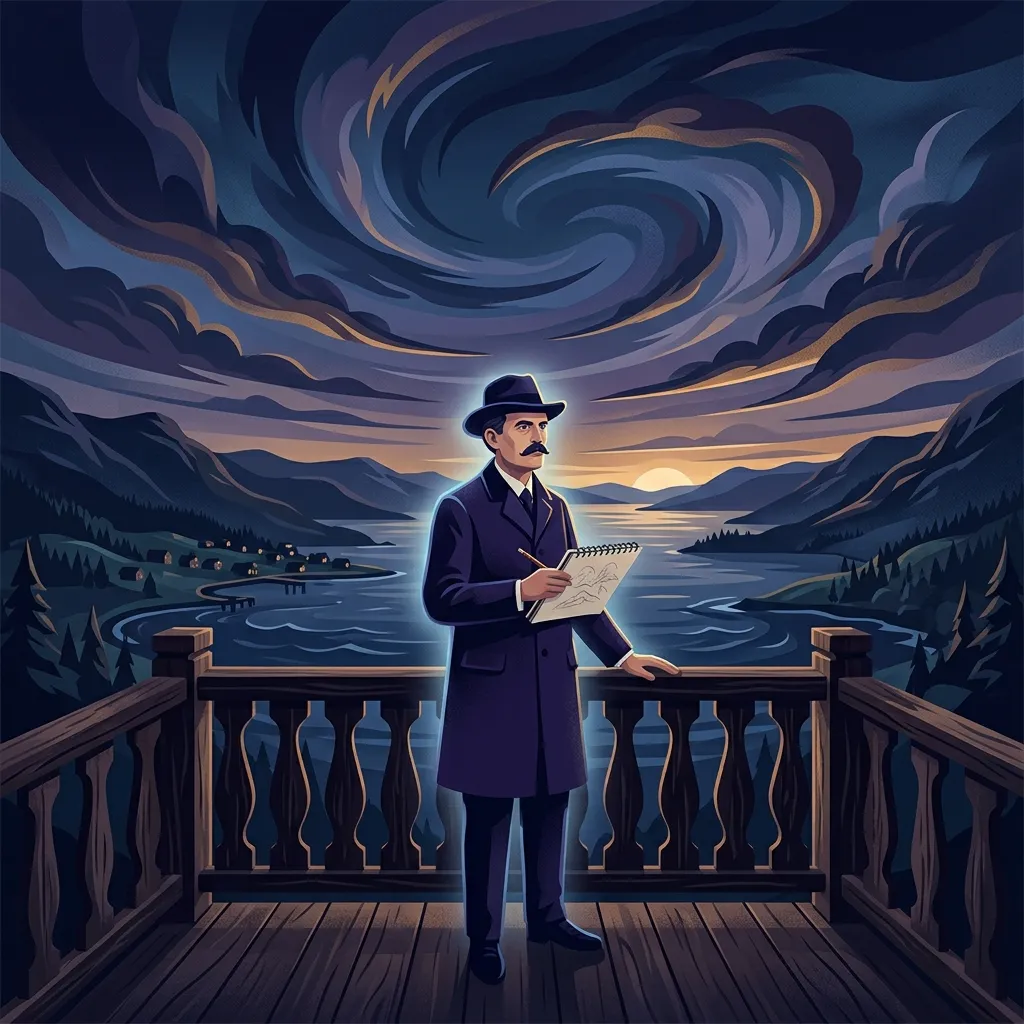
Edvard Munch, the painter behind world-renowned masterpieces such as ‘The Scream’ and ‘The Dance of Life’, wrestled throughout his life with severe anxiety disorders, hallucinations, and trauma from family losses. Yet instead of succumbing to these crushing emotions, he sublimated them into extraordinary artistic energy.
Munch maintained two remarkably unique creative routines. First was ‘Rosskur’ (horse cure / outdoor weathering treatment), in which he left finished or in-progress canvases outdoors in his yard, rain, and snow for months at a time. Observing how rain, snow, sunlight, and dust eroded and faded the canvas surfaces, he accepted uncontrollable external hardships as integral components of his art. Second was his nightly ‘emotional diary’ routine, meticulously documenting his anxieties and psychological state through text and visual sketches right beside his easel.
By directly confronting dark emotions rather than evading them—using natural weathering and objective documentation—Munch maximized his cognitive flexibility and emotional regulation. In today’s post, we explore the cognitive neuroscience principles of emotional acceptance and cognitive reframing found in Munch’s weathering and emotional sketching routines.
Historical & Academic Evidence
This content is based on Munch Museum Oslo Archives & Art Historical Research by Patricia G. Berman (Wellesley College).
 BuildSelf
Inspired by historical greats? Make it your daily habit!
BuildSelf
Inspired by historical greats? Make it your daily habit!

















1. Cognitive Reframing Through Weathering (Rosskur) and Emotional Externalization
Relinquishing perfectionism and the urge for absolute control by adopting ‘Rosskur’—the acceptance of uncontrollable elements—stimulates ‘Cognitive Acceptance’ in the brain. This reduces hyperactivation in the amygdala by dampening excessive fear of failure or damage.
Furthermore, the nightly diary routine of expressing negative emotions through writing and sketching functions as ‘Affect Labeling’. Materializing vague anxiety into linguistic and visual symbols activates the prefrontal cortex to regulate anxiety signals, forming a scientific mechanism that transforms perfectionist stress into artistic sublimation and creative inspiration.
2. 3-Step Practical Routine for Modern Professionals
Step 1: Embracing Imperfection and Uncontrollability (Applying Rosskur)
Even if an ongoing project or task is imperfect, expose it to external environments—such as outside feedback or time—to accept natural transformation.
Step 2: Nightly Affect Labeling Sketch
Spend 10 minutes before bed documenting the primary source of anxiety or stress experienced today using words and simple sketches or notes.
Step 3: Objectifying Emotion and Creative Reframing
Examine the recorded emotions from a third-person perspective, asking what message the anxiety is trying to convey, and reframe it into creative insight.
3. Building a Modern Emotional Firewall to Master Anxiety
Rather than attempting to exercise total control over your tasks or emotions, naturally accept uncontrollable environmental variables. The key is to objectify negative emotions through clear documentation when they surge, rather than avoiding them.
📌 Frequently Asked Questions (FAQ)
Why did Edvard Munch leave his precious paintings exposed to rain and snow in his 'Rosskur' practice? ▼
Munch viewed paintings kept strictly indoors as artificially sterile and lifeless. He believed that exposing canvases to rain, wind, snow, and sunlight allowed them to interact with nature, regarding the resulting surface textures and aging marks as a vital completion process.
Can the emotional diary sketch routine be effective even for someone who cannot draw? ▼
Yes, artistic skill is completely irrelevant. What matters is the neuroscientific process of 'Affect Labeling' itself—externalizing suppressed internal emotions onto paper through symbols, scribbles, or words rather than keeping them bottled up.