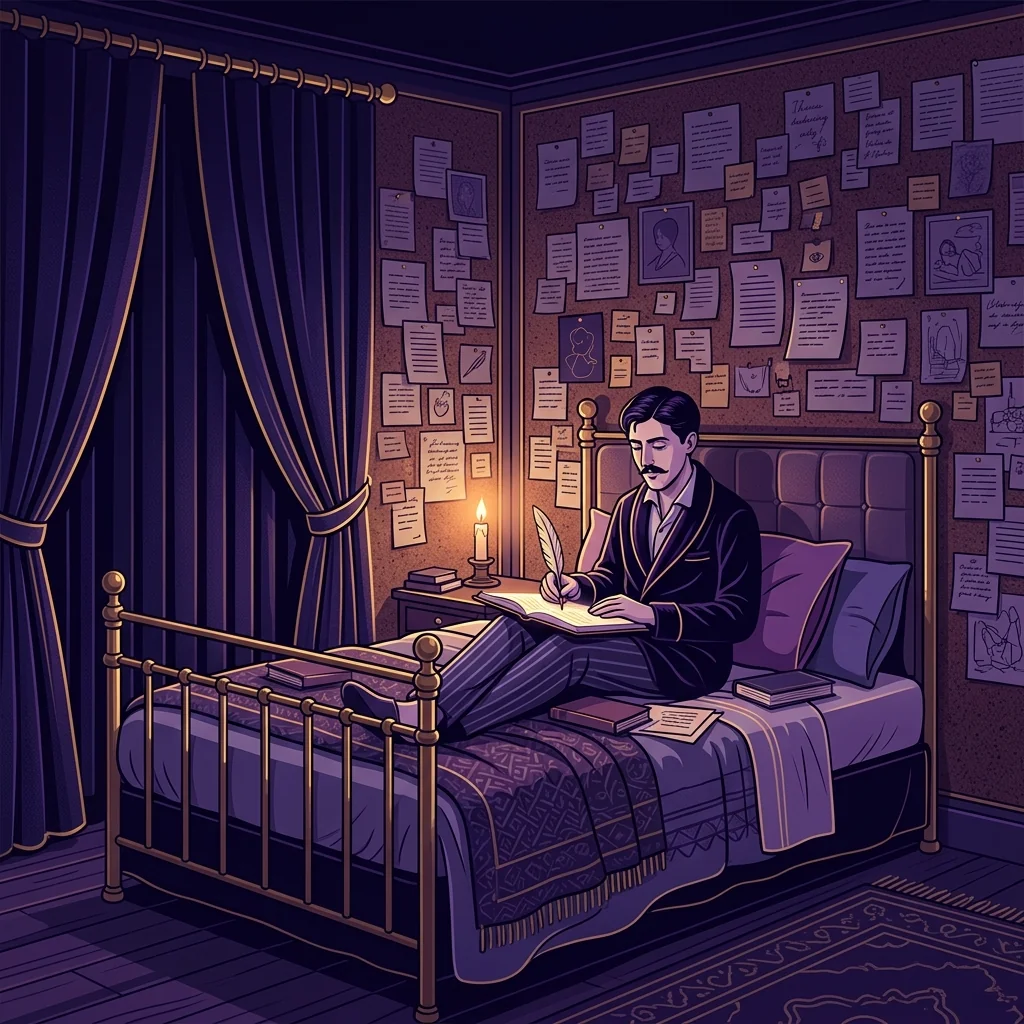
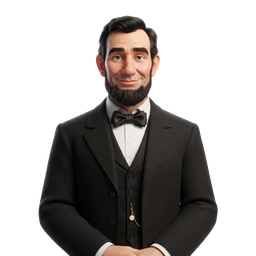
“In order to recall the past, one must flee from all the light and noise of the present world.” Marcel Proust, the French novelist who revolutionized 20th-century literature and demonstrated unparalleled mastery of sensory description. Throughout his life, Proust suffered from severe chronic asthma and intense hyper-sensory noise sensitivity. Seeking refuge from the bustling Parisian streets, he transformed his bedroom at 102 Boulevard Haussmann into a soundproof fortress. Proust lined the entire bedroom walls with thick cork panels to completely block outside sounds. He drew heavy, layered curtains to block all daylight, writing his 7-volume literary monument ‘In Search of Lost Time’ (À la recherche du temps perdu) in bed illuminated only by dim candlelight. In this cocoon free of external distraction, a single delicate sensory cue—such as the aroma of a tea-soaked madeleine—could trigger an avalanche of vivid involuntary memories from deep within his subconscious. This post explores how Proust’s cork sensory deprivation routine enhances memory recall and deep focus, and how modern individuals can adapt it to block out digital distractions.
Historical & Academic Evidence
This content is based on Historical Biographies and Writings on Marcel Proust & Cognitive Neuroscience Research.
 BuildSelf
Inspired by historical greats? Make it your daily habit!
BuildSelf
Inspired by historical greats? Make it your daily habit!
















1. The Power of Thalamic Gating Against Information Overload
The Thalamus, which acts as the sensory gateway in the human brain, consumes significant cognitive energy filtering incoming environmental noise and smartphone light. This sensory overload drains executive cognitive resources from the prefrontal cortex, leading to distractibility.
By creating a physical cork soundproof room and dark environment like Proust, all artificial sensory clutter is blocked at the source. The brain conserves energy normally wasted on sensory filtering and redirects it toward internal reflection and deep cognitive processing. In this state, the hippocampus (which retrieves memories) and association cortices become highly active, establishing a neural highway that retrieves vivid long-term memories without conscious strain.
2. 3-Step Practical Routine for Modern Professionals
Step 1: Auditory Isolation via Noise Cancellation
Before starting deep writing or planning work, put on active noise-canceling headphones or earplugs to block ambient noise, and leave your smartphone in another room.
Step 2: Visual Input Control via Lighting Adjustments
Close curtains to avoid harsh direct daylight, leaving only a focused desk lamp lit to minimize visual input and conserve cognitive energy.
Step 3: 1-Hour Continuous Single-Task Immersion
In this tranquil state free of sensory clutter, dedicate 1 hour to a single core task without switching tabs or multitasking.
3. The Secret of Deep Focus Through Absolute Isolation
The core of Proust’s sensory control routine is enforcing an environment where distraction is impossible. In open environments like cafes or busy rooms, the brain continuously wastes energy processing background movements and noises. To achieve deep memory access, block incoming sensory inputs completely using noise-canceling headphones and dimmed lighting.
📌 Frequently Asked Questions (FAQ)
Does absolute noise cancellation cause psychological anxiety for some people? ▼
Depending on individual traits, complete silence can sometimes induce tinnitus or mild anxiety. In such cases, play subtle natural pink noise, like rainfall or wind. Meaning-free natural sounds relax the brain without burdening the thalamus.
Is working lying down in bed effective for focus? ▼
Proust was forced to work in bed due to his debilitating asthma. For most people, the brain associates the bed with sleep, promoting drowsiness. For optimal focus, sit upright at an ergonomic desk and apply only his sensory-deprivation principles (dim lighting, sound isolation).