Dr. Albert Schweitzer was a Nobel Peace Prize winner, devoted medical doctor, philosopher, and world-renowned authority on Johann Sebastian Bach. How did he overcome the extreme physical and mental exhaustion faced while caring for patients in the hot and humid jungle of Lambaréné, Gabon?
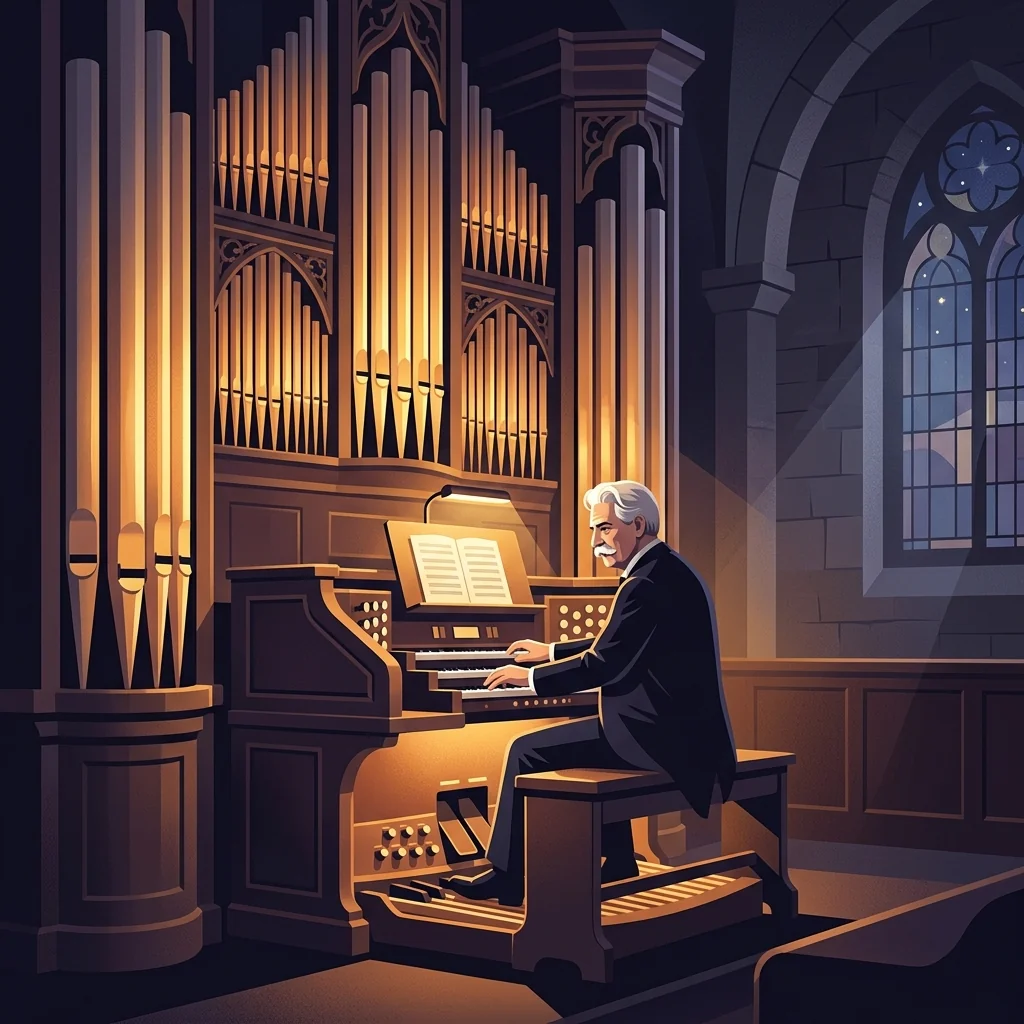
Every night after exhausting medical practice, Dr. Schweitzer sat at a pedal piano built for the jungle and quietly played Bach. Immersing himself in the majestic, orderly melodies of Bach was his ultimate ‘nervous system reset routine’ to soothe mind and body and prevent burnout.
In today’s post, we introduce the science of autonomic nervous system relaxation embedded in Dr. Schweitzer’s evening organ routine.
Historical & Academic Evidence
This content is based on Albert Schweitzer Historical Biography and Autobiographical Records & Cognitive Neuroscience Research.
 BuildSelf
Inspired by historical greats? Make it your daily habit!
BuildSelf
Inspired by historical greats? Make it your daily habit!

















1. Parasympathetic Nervous System Activation Induced by Structured Classical Melodies
Excessive stress during the day continuously overactivates the Sympathetic Nervous System, raising cortisol levels and disrupting autonomic balance.
Structured classical melodies with a tempo of 60–80 BPM, like Bach’s music played by Dr. Schweitzer, act as an ‘autonomic relaxation switch’ that immediately triggers the Parasympathetic Nervous System. Playing an instrument or focusing on music stabilizes heart rate and improves heart rate variability (HRV), swiftly recovering mental fatigue accumulated during the day.
2. 3-Step Practical Routine for Modern Professionals
Go Digital-Off 1 Hour Before Bed
Turn off smartphones and blue-light screens 1 hour before sleep, and dim room lighting to a warm, cozy tone.
Listen to 15 Minutes of Quiet Instrumental Classical Music
Play Bach's organ pieces or slow BPM classical instrumentals, lie down comfortably, and surrender your attention to the melody.
Organize Emotions & Write a Short Evening Journal
Once your mind is calmed by music, write down 1–2 good things or moments of gratitude from today in a journal, then go to bed.
3. Choose Relaxing Music Over Intense Screens Before Bed
Consuming stimulating videos or texts late at night prevents the brain from entering rest mode. Like Dr. Schweitzer, send relaxation signals through quiet musical immersion. Rather than relying solely on willpower, designing the physical environment and habit cues beforehand is key to consistency.
📌 Frequently Asked Questions (FAQ)
Can I listen to vocal ballads instead of classical music? ▼
Music with lyrics reactivates the brain's language processing areas (auditory cortex), hindering complete rest. Pure instrumentals without lyrics (classical, jazz, lo-fi) are far more effective for autonomic relaxation.
Is sleeping while listening to music helpful? ▼
It is best to set a timer for 15–30 minutes before falling asleep. If music plays all night, the brain's auditory cortex may not get full rest during deep sleep stages.