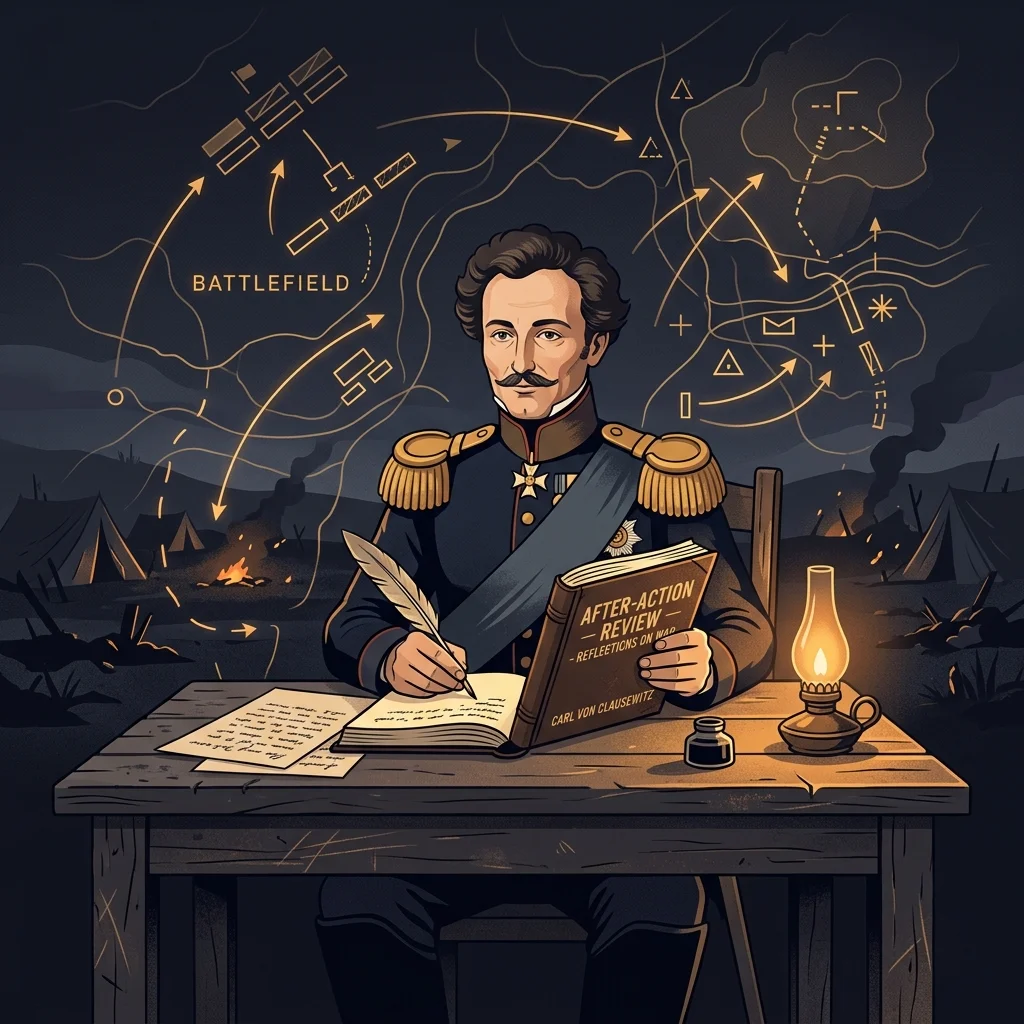
“Never allow sleep to close your eyes before you have three times reviewed the actions of the day.” 🌙
Pythagoras, the ancient Greek philosopher and master of mathematics and geometry, maintained that all things in the universe are composed of numbers. He led a mystical community with his disciples that pursued strict asceticism and the harmony of the soul. The most vital code of practice in this community was the evening self-reflection routine performed every night. According to the ‘Golden Verses’ of the Pythagoreans, they questioned themselves three times before falling asleep: ‘Where did I go wrong?’, ‘What good did I perform today?’, and ‘What duty did I leave undone?’. We analyze Pythagoras’s nocturnal routine of examining the day to achieve character perfection.
Historical & Academic Evidence
This content is based on Historical critical biography and autobiographical records of Pythagoras Evening Examination & Cognitive Neuroscience research.
 BuildSelf
Inspired by historical greats? Make it your daily habit!
BuildSelf
Inspired by historical greats? Make it your daily habit!

















1. Brain Science Principles of Pre-Sleep Memory Consolidation and Emotional Stability
Sleep is a vital period when short-term memories stored in the hippocampus during the day are transferred to the cerebral cortex and fixed into long-term memory (Memory Consolidation). Intentionally reviewing the day’s actions right before sleeping provides the brain with a roadmap of ‘which episodes to process and store with priority.’ Furthermore, the ‘self-monitoring’ process of evaluating one’s actions morally and cognitively strengthens inhibitory circuits in the frontal lobe, purifying emotional dregs (catharsis) and activating the parasympathetic nervous system to induce deep slow-wave sleep.
2. 3-Step Practical Routine for Modern Professionals
Secure Stable Reflection Environment and Posture
Lie down or sit leaning comfortably in a dim bedroom with lowered lighting, close your eyes, and completely release tension throughout your entire body.
Rewind the Day's Timeline Objectively
Quickly scan major events in your mind from the moment you woke up in the morning until lying down at night. Exclude emotions as if watching a movie film.
Apply and Summarize Pythagoras's 3 Great Questions
Calmly ask yourself the questions (mistakes, good deeds, delayed duties), imprint clues for behavioral modification onto your brain, and consciously conclude the day.
3. Precautions and Tips
The biggest risk of evening reflection is allowing reflection to deteriorate into self-blame or rumination. Becoming emotionally immersed in bad events that occurred today and repeating rumination triggers the secretion of cortisol, a stress hormone that actually causes insomnia. When conducting reflection, maintain ‘Cognitive Distance’ by observing events objectively strictly from a third-person perspective, focusing on behavioral alternatives like ‘I will improve like this next time’ instead of self-blame.
📌 Frequently Asked Questions (FAQ)
What if I am too busy and tired all day that I fall asleep while reflecting? ▼
Falling asleep when exhausted is natural. However, sitting at a desk and making a brief 5-minute record like writing a journal instead of lying in bed helps prevent premature sleep onset and sleep inertia.
What should I do if self-blame keeps me awake at night? ▼
Immediately stop self-inquiry if emotional rumination begins. Instead, practice concluding the reflection after noting an alternative option like 'What happened cannot be undone, I will do just 1 thing differently tomorrow.'