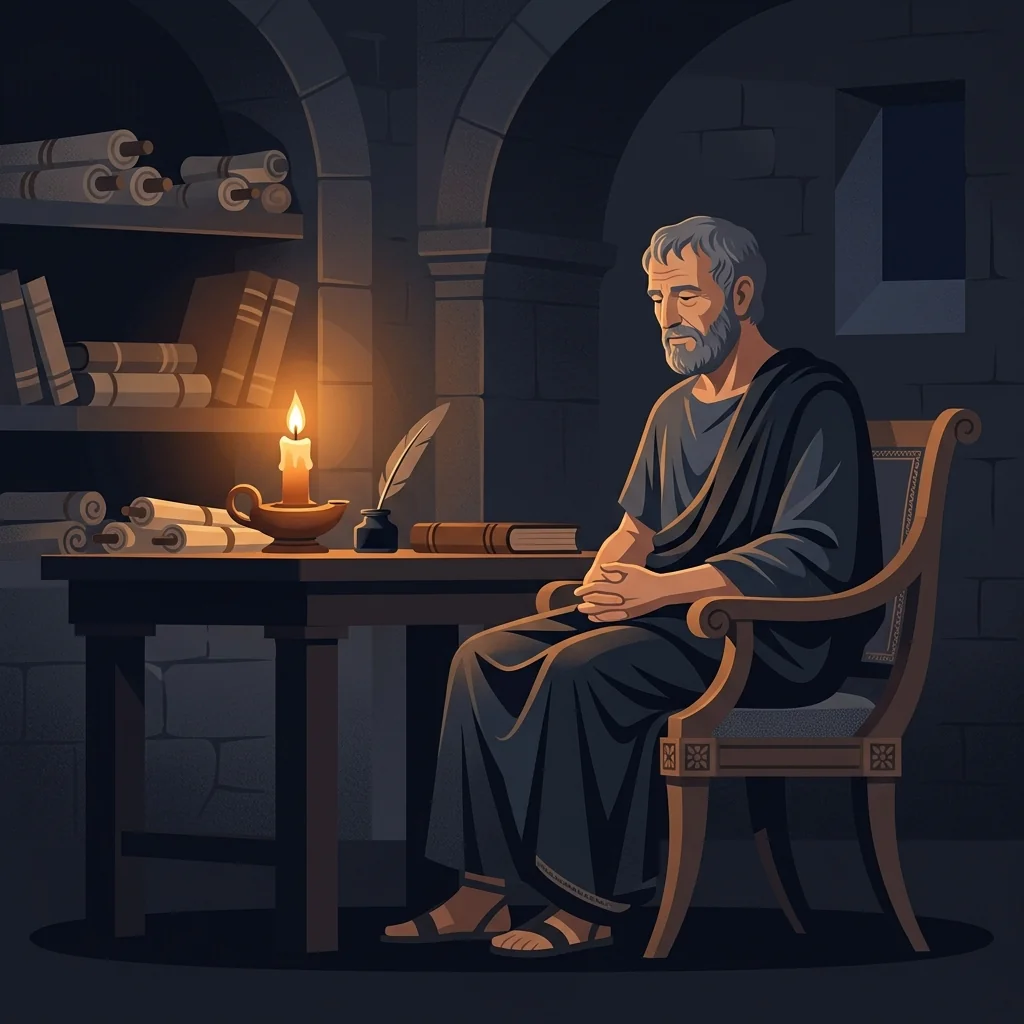
“When the light has been removed and my wife has fallen silent, I examine my entire day and measure my deeds and words. The soul is quietest and most peaceful when examining itself.”
Lucius Annaeus Seneca, the prominent Stoic philosopher and statesman of ancient Rome, recorded his personal night ritual in his famous work ‘De Ira’ (On Anger) for falling asleep in complete tranquility without insomnia.
Every night after the lights were out and his household grew quiet, Seneca convened a ‘court of soul’ in the dark. Asking himself: “What bad habit have I corrected today? What temptation did I resist? In what respect am I better?”, he reviewed his daytime words and actions both strictly and compassionately. By formulating objective remedies for missteps and immediately forgiving himself, he cleared all emotional baggage before turning to rest.
This ancient reflective ritual of achieving cognitive closure is validated by modern brain physiology as a powerful key to deep sleep and stress release.
Historical & Academic Evidence
This content is based on Historical textual verification of Seneca's 'De Ira' (On Anger), Stoic literature & Cognitive Neuroscience sleep physiology research.
 BuildSelf
Inspired by historical greats? Make it your daily habit!
BuildSelf
Inspired by historical greats? Make it your daily habit!

















1. Physiological Reasons Evening Reflection Transitions the Brain into Sleep Mode
Going to bed carrying unresolved anxiety and stress keeps the sympathetic nervous system active, forcing the brain to remain hyper-vigilant even during sleep and interrupting deep slow-wave sleep.
Conversely, evening review induces ‘Cognitive Closure’. Reflecting on your actions, evaluating them objectively, and intentionally closing the file silences the amygdala—the brain’s alarm center. This activates the parasympathetic nervous system, slowing the heart rate and signaling the brain that it is safe to rest.
2. 3-Step Practical Routine for Modern Professionals
Step 1: Cut Off Stimuli and Lights
Turn off screens and dim or extinguish all lights in your room. Settle into the quiet atmosphere and sit comfortably on the edge of your bed or in a cozy armchair.
Step 2: Replay Your Day Chronologically
Close your eyes and trace your timeline from waking up in the morning to the present. Quietly observe your emotional state and behavior in each situation from a neutral third-person perspective.
Step 3: Extract Key Lessons and Declare Closure
Select the one regretful moment of the day and establish a single concrete resolution for how to handle it tomorrow. Once defined, state mentally: "Today's review is finished," and let go of all thoughts.
3. Avoid the Trap of Self-Blame and Rumination
The core of evening reflection is rational improvement, not emotional self-punishment or rumination. Harshly judging your flaws right before bed triggers stress hormones that worsen sleep. Forgive yourself calmly: “I made a mistake, but I understand why and will correct it tomorrow.” Maintain the detached, objective perspective of a fair judge.
📌 Frequently Asked Questions (FAQ)
Should I practice this habit every single day? ▼
Yes. Practicing daily at a consistent time maximizes neuroplasticity. Reinforcing the brain's neuroplasticity circuits through steady execution in the same setting every night is the surest key to lasting benefit.