“Solitude is my most cherished companion, the secret womb where imagination is born.”
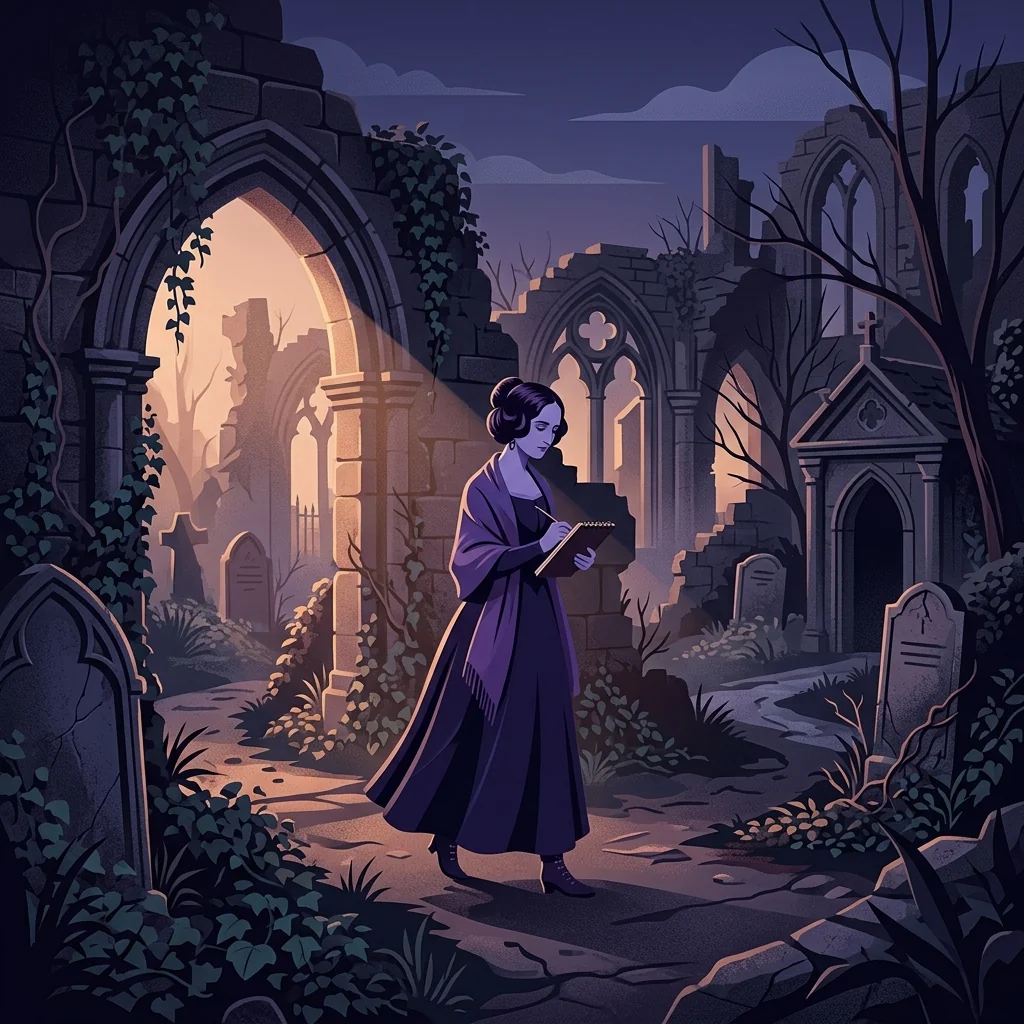
Mary Shelley, author of the immortal masterpiece ‘Frankenstein’ that opened the doors to Gothic horror and modern science fiction, harbored a solemn walk routine from early childhood: visiting the graveyard at St Pancras Old Church daily for contemplation.
Mary Shelley spent hours sitting by the gravestone of her mother, the famed feminist philosopher Mary Wollstonecraft who died shortly after Mary’s birth, reading books and practicing writing. To Mary, the cemetery was not a place of terror, but a peaceful open-air sanctuary where she could ponder life, death, identity, and human boundaries. The solemn quietude beside her mother’s grave formed the creative crucible from which ‘Frankenstein’ emerged when she was just 18 years old.
Here we explore the scientific principles of cognitive awe and deep imagination inspired by Mary Shelley’s ‘Cemetery Walk’ routine.
Historical & Academic Evidence
This content is based on Historical literary records of Mary Shelley & Environmental Psychology research on Awe.
 BuildSelf
Inspired by historical greats? Make it your daily habit!
BuildSelf
Inspired by historical greats? Make it your daily habit!

















1. Cognitive Awe and Reflective Brain Network Activation in Solemn Spaces
Environmental psychology shows that entering quiet spaces filled with history and solemnity—such as graveyards, ancient cathedrals, or historic ruins—triggers a unique cognitive emotion: ‘Awe’.
Awe quiets the brain’s ego-centric default mode network responsible for daily worries and self-centered stress, activating the reflective networks dedicated to philosophical contemplation. Walking in solemn tranquility calms the sympathetic nervous system and frees the brain from visual noise, making it far easier to conjure original, deep imaginative ideas.
2. 3-Step Practical Routine for Modern Professionals
Locate a Quiet, Solemn Sanctuary
Select a quiet nearby destination such as a serene temple, historic sanctuary, quiet monument park, or tree-covered heritage garden.
Remove Earphones and Walk Sensory-Aware
Put away noisy digital devices and unplug earphones. Consciously slow down your walking pace, listening attentively to the wind and natural solemn quiet.
Pause at Deep Moments to Jot Down Insights
Stop under a tree or bench to open a notebook. Write down the profound insights or creative ideas on life and humanity inspired by solemn awe without self-censorship.
3. Seek Out Quiet, Non-Commercial Historical or Natural Spaces
For Mary Shelley, the cemetery was a quiet sanctuary to reflect on life and death. You don’t necessarily need a graveyard—seek out old forest paths, quiet historic grounds, serene libraries, or secluded temples. The key is offering your brain a space completely separated from commercial noise and daily social friction.
📌 Frequently Asked Questions (FAQ)
Why did Mary Shelley specifically choose her mother's grave? ▼
Her mother died right after giving birth to Mary. The grave was her only physical connection to her mother. Sitting there allowed her to meditate on birth, death, and identity, topics central to Frankenstein.