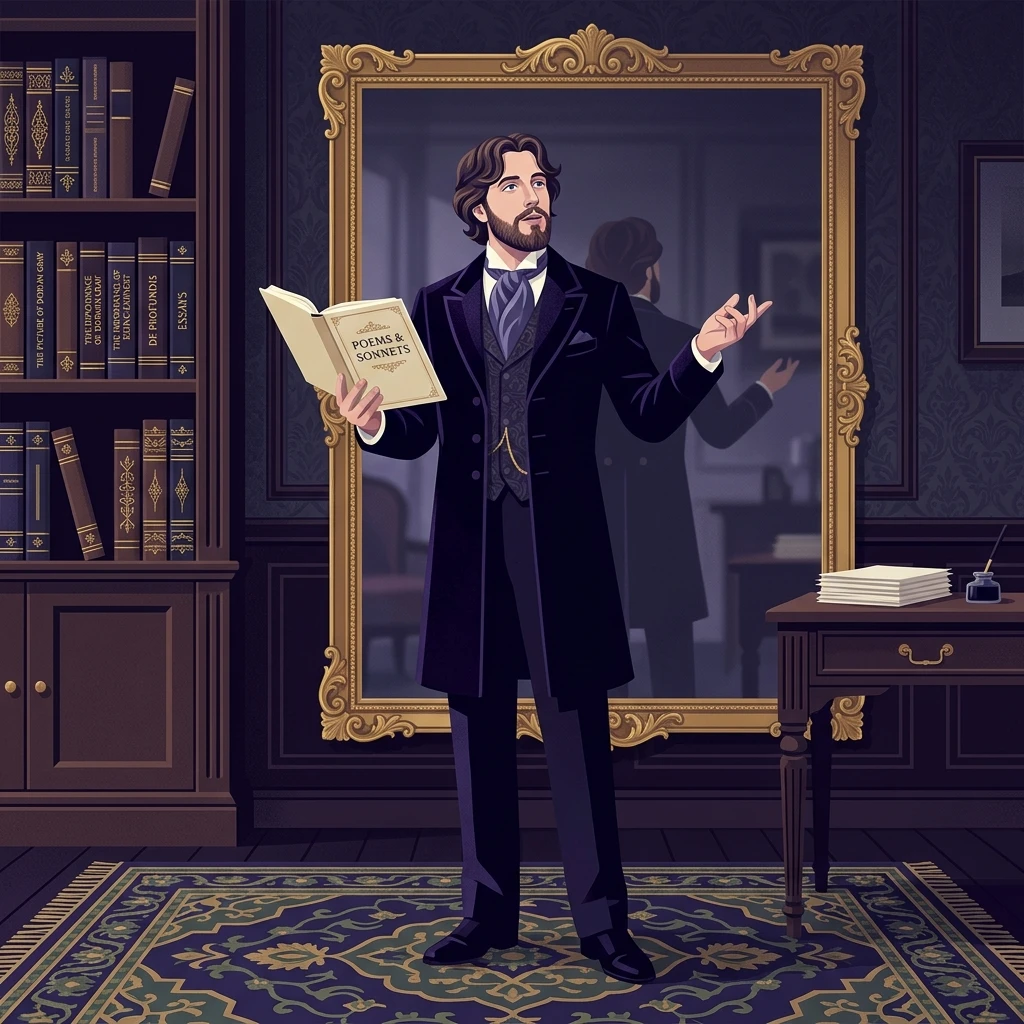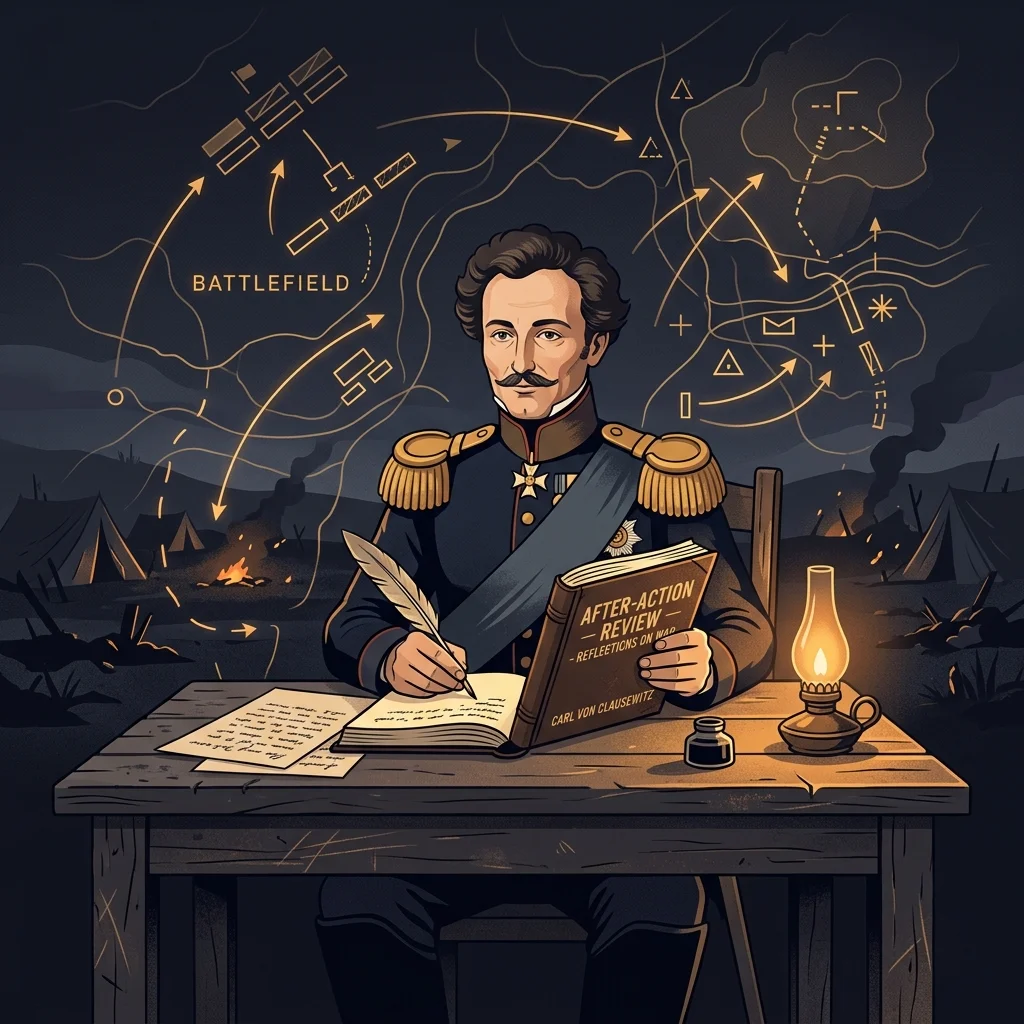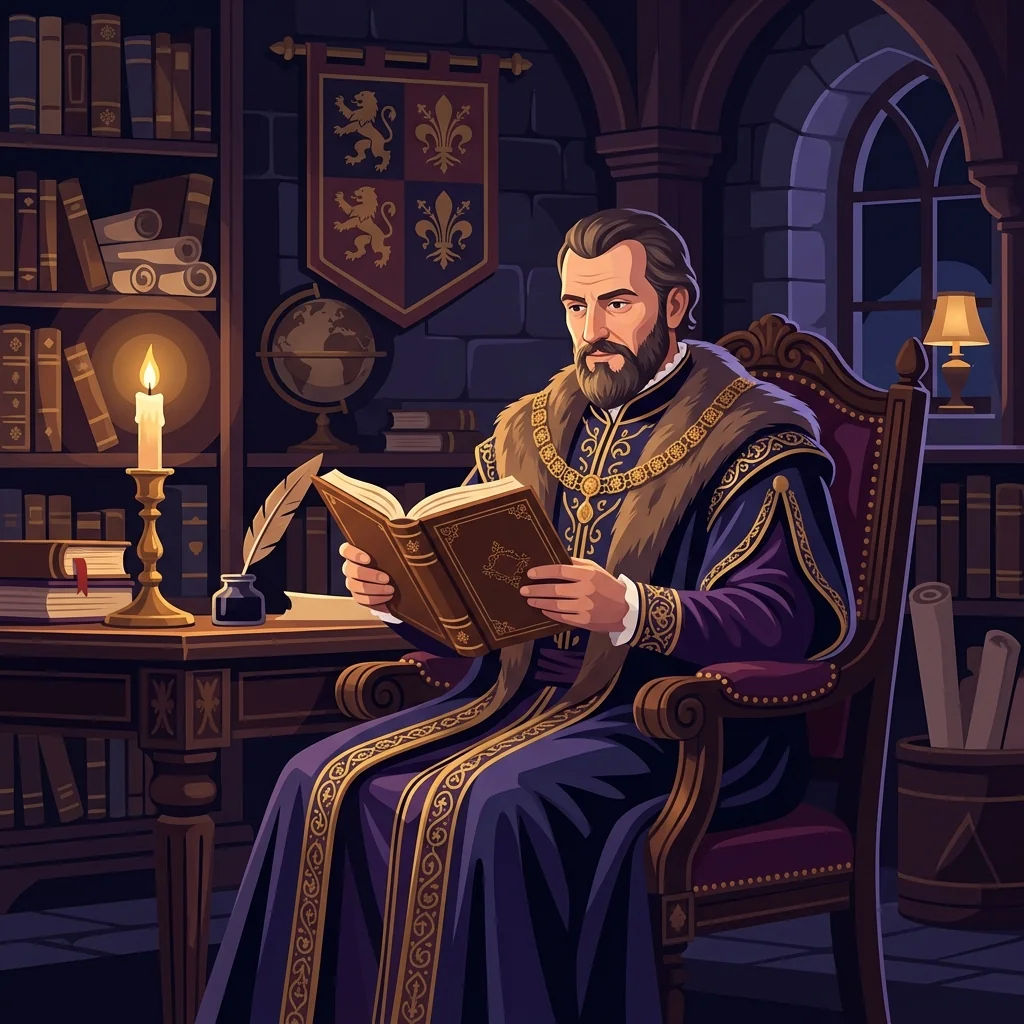
“When evening comes, I return home and go into my study. On the threshold, I take off my muddy workday clothes and put on royal and courtly robes. Dressed fittingly, I enter the ancient courts of ancient men.” 👑
Niccolò Machiavelli was a brilliant 16th-century Florentine diplomat and statesman, as well as a monumental thinker who opened the horizon of modern political philosophy through his masterpiece 《The Prince》, which penetratingly analyzed power and leadership. Dismissed from public office following the return of the Medici family and forced into a harsh, impoverished life of involuntary solitude on a rural farm, he never lost his intellectual curiosity or life’s dignity. Though he spent his days in mud-stained clothes doing farm labor and passing time at local taverns, every evening he solemnly changed into clean, elegant court robes before entering his study. Attired with utmost decorum so as not to be ashamed before the wisdom of ancient sages, he immersed himself deeply in classics and authored immortal works. Neuroscientifically, this content explores how a conscious shift in attire resets brain attitude and focus.
Many remote workers and students begin studying or working at desks right beside their beds while wearing comfortable pajamas or sweatpants. However, sloppy attire sends a contradictory signal to the brain’s lower cognitive system, suggesting a ‘state ready for rest at any moment.’ Machiavelli washed away the traces of physical labor and intentionally wore court robes to guide his brain into public reasoning and high-level writing modes instantly without compromise.
In today’s post, we interpret the cognitive benefits of Machiavelli’s sartorial decorum through neuroscience and present a 3-step actionable plan for modern individuals to create their own physical cognitive switch with formal attire, achieving optimal immersion in just one second even in distracting indoor environments.
Historical & Academic Evidence
This content is based on Historical evidence from Niccolò Machiavelli's correspondence 『Letters of Machiavelli』 & Research in Cognitive Neuroscience and Cognitive Psychology.
 BuildSelf
Inspired by historical greats? Make it your daily habit!
BuildSelf
Inspired by historical greats? Make it your daily habit!

















1. The Enclothed Cognition Effect and Activation of the Executive Control Network
Human cognitive systems experience the phenomenon of Enclothed Cognition, where mental processes are strongly tuned to the symbolic meaning of attire worn.
While comfortable loungewear sends relaxation signals to the brain that lower the concentration threshold, neatly arranged attire instantly triggers the executive control mechanism of the Prefrontal Cortex, which regulates attention.
Subtle tactile stimuli from neat clothing suppress mind-wandering in the Default Mode Network and activate the Executive Control Network focused on the task at hand, dramatically reducing immersion warm-up time.
2. 3-Step Practical Routine for Modern Professionals
Step 1: Physical Isolation of Loungewear Such as Pajamas or Sweatpants
10 minutes before starting intellectual work or reading, take off pajamas or loose sweatpants that induce relaxation and put them completely out of physical reach.
Step 2: Enclothed Cognition Shift to Neat Casual or Outdoor Attire
Change into clean, neat clothing such as a collared shirt or slacks and tidy your appearance to send a neural signal to the brain that 'work or study has begun.'
Step 3: Entering the Study and Completing 1 Hour of Immersive Reading or Deep Work
Sitting at your dedicated desk in neat attire, block all notifications, open a classic book or key research document, and enter an unwavering state of deep work for one hour.
3. Guidelines for Blocking Relaxation Signals of Loungewear and Transitioning to Neat Attire for Immersion
The essence is not simply wearing expensive or stiff clothing, but enabling the brain to recognize a distinct role identity of ‘focus and work mode’ through attire. Overly tight suits that cause bodily discomfort drain cognitive resources; thus, setting a level of neat casual attire that clearly differentiates from loungewear while allowing comfortable focus is most ideal.
📌 Frequently Asked Questions (FAQ)
Does wearing outdoor clothes instead of pajamas really work when working from home or studying? ▼
Yes, research on Enclothed Cognition in cognitive psychology strongly proves this. Simply changing from pajamas or loungewear into neat clothing like slacks or a shirt signals the brain to shift its symbolic mode from a 'rest context' to a 'work context,' reducing procrastination and dramatically shortening the initial warm-up time for deep focus.
When it is difficult to change into full suits or outdoor clothing, can a single item like glasses or a watch still be effective? ▼
Yes, absolutely! As long as the item is recognized by the brain as a 'symbolic work signal,' single cues like putting on glasses, wearing an analog watch dedicated to focus, or slipping on neat indoor shoes can induce the same conditioning effect. The key is consistently adhering to your own symbolic rule that 'wearing this item triggers immersion mode.'