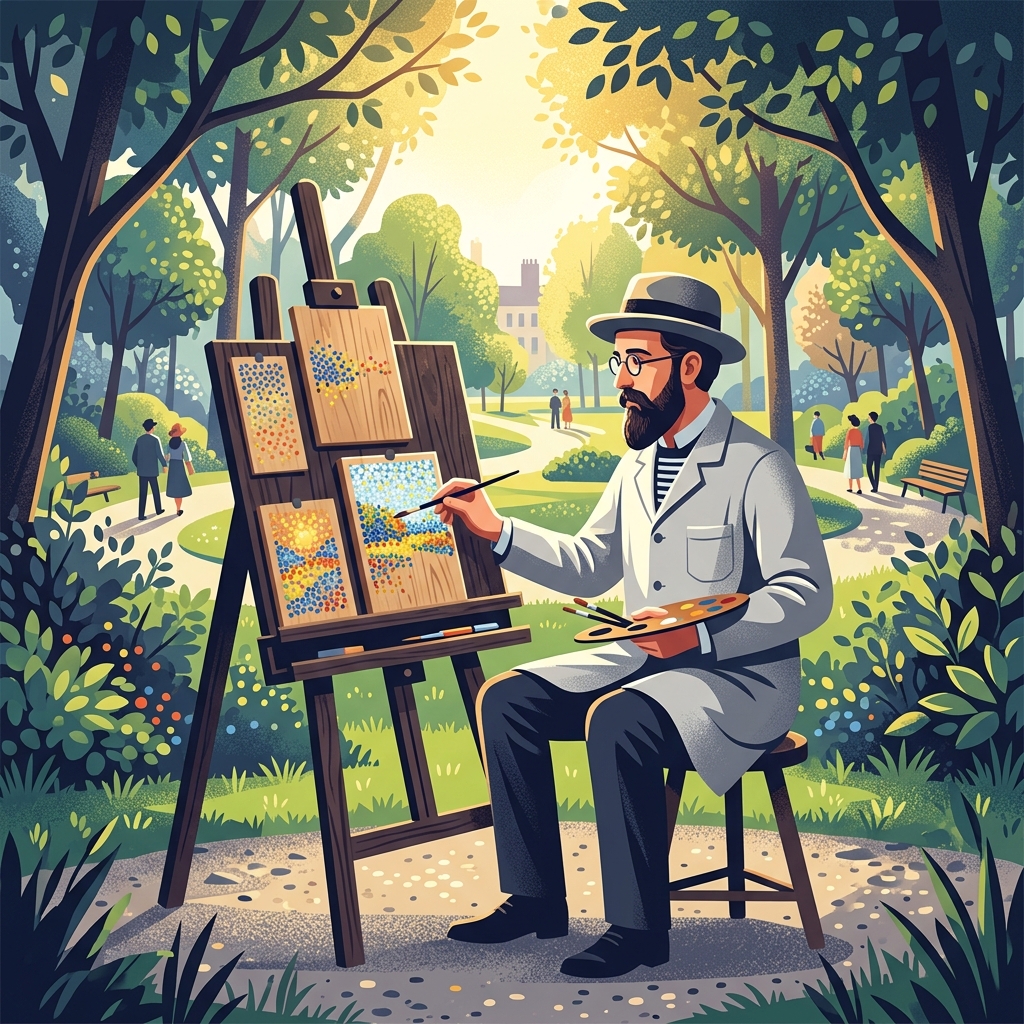
“To raise the quality of design, one needs quiet time to simplify and observe objects.” 🏊♂️
“Less, but better.” As chief designer at Braun, Dieter Rams revolutionized 20th-century industrial design and inspired legends like Apple’s Jony Ive. Where did his genius ideas—visualizing a complex world into simple, functional products—come from?
Dieter Rams started every day with a morning swim to awaken his brain physically and relax his body. After swimming, he returned to his tranquil garden to prune bonsai trees and tend to his plants. Rather than trapping himself in complex planning or artificial shapes, he quietly observed the organic, essential structures of growing garden plants, formulating his core minimalist philosophy of eliminating unnecessary elements.
Today’s post examines the cognitive science behind Dieter Rams’ morning swim and observation routine and how modern people can apply it to maintain all-day focus.
Historical & Academic Evidence
This content is based on Historical biography and autobiographical records of Dieter Rams & Cognitive Neuroscience research.
 BuildSelf
Inspired by historical greats? Make it your daily habit!
BuildSelf
Inspired by historical greats? Make it your daily habit!

















1. The ‘Attention Restoration Theory’ That Cleanses the Visual Cortex
Right upon waking, modern people are exposed to massive artificial visual stimuli like smartphones, notifications, and street signs. This rapidly drains the prefrontal cortex’s directed attention capacity, causing cognitive fatigue before noon.
Dieter Rams’ morning routine combined aerobic exercise with Attention Restoration Theory (ART) through nature observation. Observing subtle natural patterns like leaf veins and branch splits engages ‘soft fascination’—a state requiring no mental strain. This allows directed attention networks to rest, dramatically restoring cognitive stamina for demanding design work.
2. 3-Step Practical Routine for Modern Professionals
Morning Physical Circulation Activation Routine
Upon waking up, promote whole-body blood circulation and supply fresh blood flow to the prefrontal cortex through light stretching, calisthenics, or a quick shower.
5-Minute Visual Focus on Natural Objects
Select a potted plant on your balcony, a garden tree, natural scenery outside your window, or plants in a park on your commute. Put your phone in your pocket and gaze quietly at it for 5 minutes.
Silent Observation of Structural Simplicity
Immerse yourself deeply in the organic yet harmonious structure, essential colors, and unadorned shapes of natural objects, freeing your visual cortex from artificial artifacts and calming your brain.
3. Artificial Visual Emptying Fills Your Mind with Ideas
Good design means an essential state with all unnecessary elements removed. Dieter Rams tended bonsai and observed nature every morning to empty artificial stimuli from his brain and create space for essential thoughts. Cleanse your attention filter with brief morning nature observation.
📌 Frequently Asked Questions (FAQ)
Is a morning swim strictly necessary for this routine to work? ▼
No. Swimming was simply Dieter Rams' preferred aerobic exercise. Any light aerobic activity that wakes up cerebral blood flow—such as light indoor jogging, stretching, or a 10-minute brisk walk—works just fine.
Can I observe urban buildings or stylish interior design instead of natural objects? ▼
Artificially processed interiors or geometric city buildings subtly demand analytical interpretation ('Why was it built like that?', 'What is that?') from the brain. To restore cognitive fatigue, observing organic natural objects that require no interpretation is ideal.