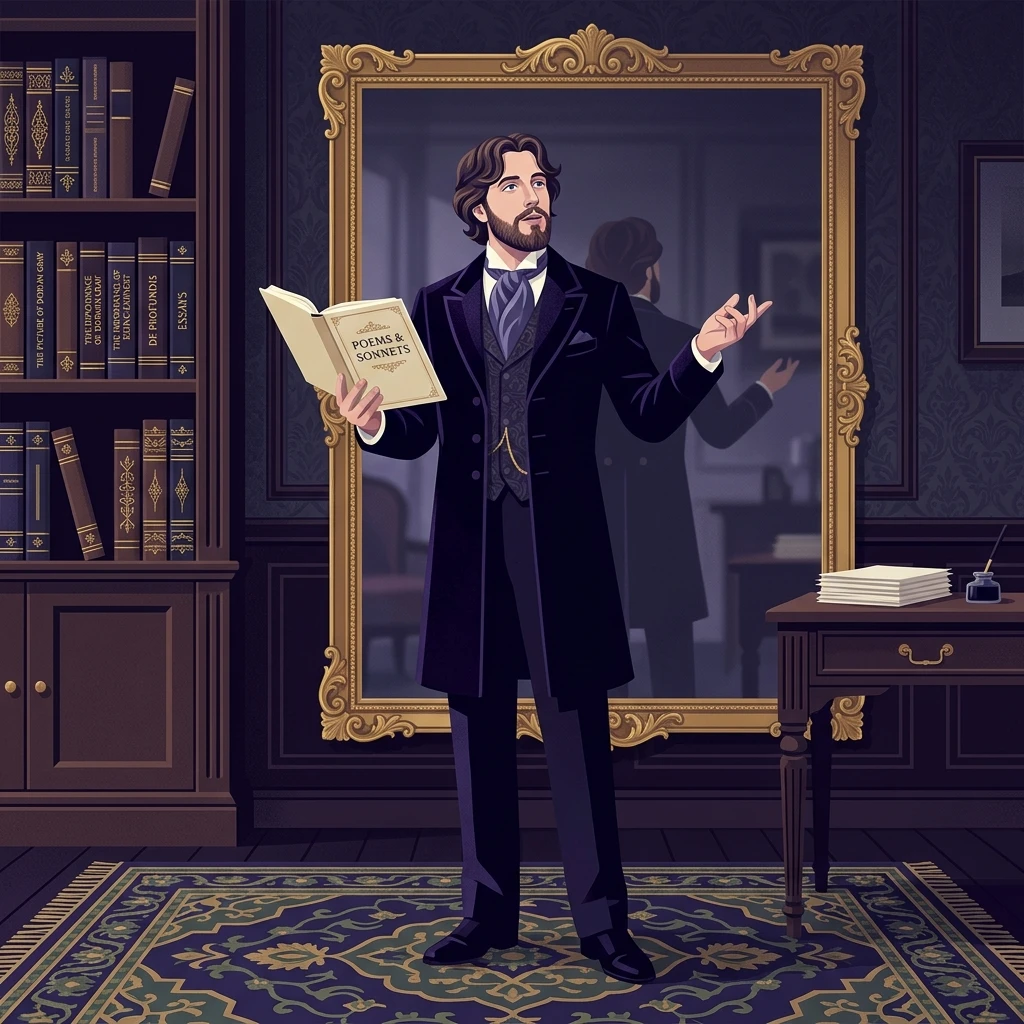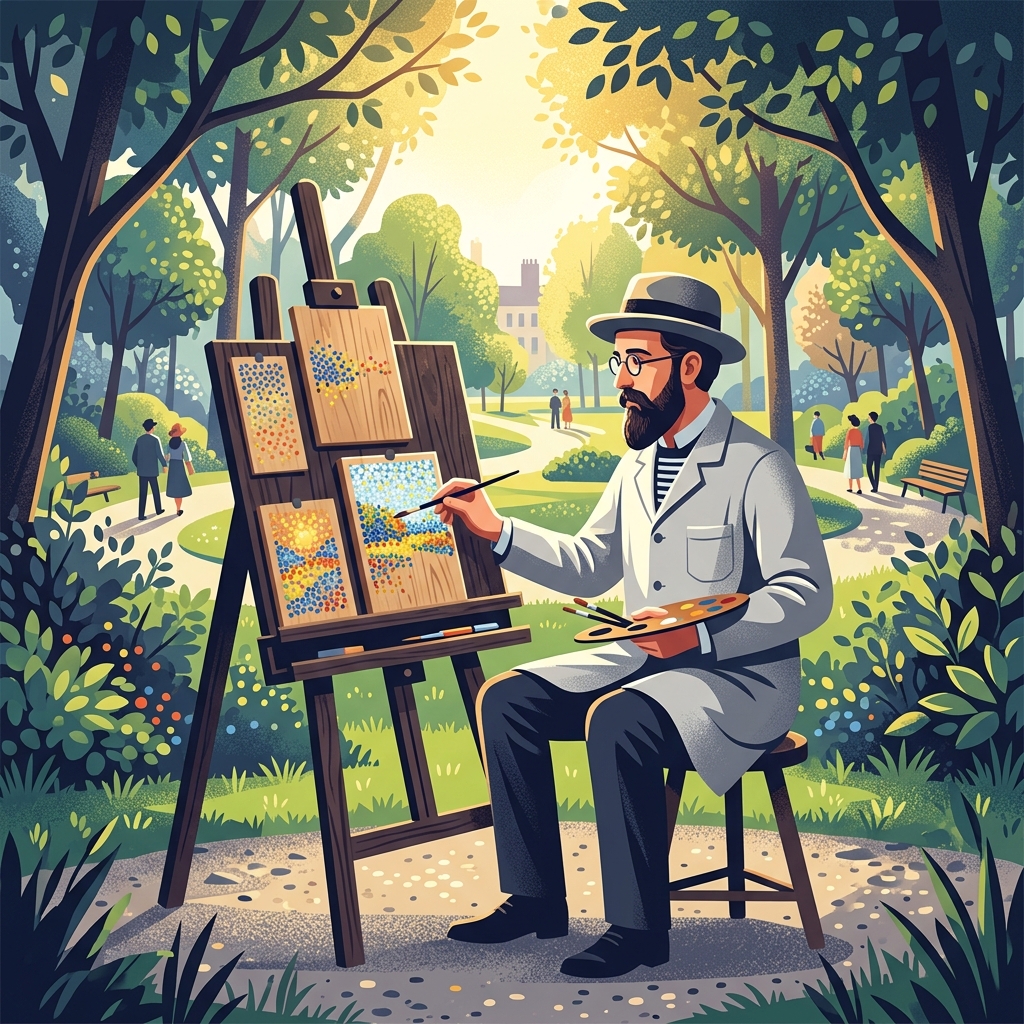
“A scholar’s contemplation attains its most complete order along a quiet walking path.” 🚶♂️
Adam Smith, the thinker who laid the theoretical foundations of modern economics and identified the ‘invisible hand’ of the free market, possessed a unique lifelong habit behind his profound insights. Whenever Smith structured complex theories, he walked endlessly through gardens or quiet country roads. One morning, while strolling in his garden, he became so deeply absorbed in thought that he walked 15 miles (approx. 24 km) to a neighboring town, entirely forgetting he was wearing only a nightgown. It was only upon hearing church bells ring that he snapped back to reality and returned home. In this article, we dissect the mechanism of Adam Smith’s contemplative walking habit that stimulated his brain to assemble intricate relationships and generate creative breakthroughs.
Historical & Academic Evidence
This content is based on Historical biographies, autobiographical records of Smith's contemplative walking & Cognitive Neuroscience research.
 BuildSelf
Inspired by historical greats? Make it your daily habit!
BuildSelf
Inspired by historical greats? Make it your daily habit!

















1. Synergy Between Walking Without Digital Stimuli and the Default Mode Network
When walking while looking at digital screens, brain resources are heavily drained processing visual noise. Conversely, walking at a steady pace free from digital gear lowers visual cortex strain and highly activates the ‘Default Mode Network (DMN)’ which triggers creative insights. According to Stanford University research, creative thinking increases by an average of 60% while walking versus sitting. Increased cardiovascular circulation during walks supplies fresh oxygen to the prefrontal cortex, enhancing cognitive flexibility.
2. 3-Step Practical Routine for Modern Professionals
Isolate Digital Gear and Set a Single Focus Question
Mute your smartphone and place it deep in a bag or leave it at home. Clearly define a single core question or problem you wish to unpack through contemplation.
Walk at a Steady Rhythm on Flat Terrain
Rather than forcing conscious observation of surroundings, surrender your awareness to the rhythm of your footsteps and breathing while walking along a quiet, flat route.
Capture Connected Thoughts and Jot Down Quick Notes
When a complex train of thought crystalizes into an idea or sentence while walking, stop briefly and write down key words in a small notebook.
3. Precautions and Tips
The biggest trap of contemplative walking is checking your smartphone or listening to music or podcasts while walking. Continuous auditory or visual inputs prevent the brain from switching into DMN mode. Therefore, during a contemplative walk, remove earphones and avoid artificial stimuli to allow genuine cognitive refresh and reorganization.
📌 Frequently Asked Questions (FAQ)
What is the recommended duration or distance for a contemplative walk? ▼
You do not need to walk 15 miles like Smith. Clinical guidelines recommend 20 to 40 minutes for boosting cerebral blood flow and DMN activation. What matters is the duration of uninterrupted, digital-free focus, not the distance.
Can I walk on an indoor treadmill if I cannot go outside? ▼
Yes. However, when walking on a treadmill indoors, avoid watching TV monitors or smartphone screens. Keep your gaze resting on a blank wall or neutral spot, shutting out artificial visual noise to stay fully immersed in the rhythm of your steps.