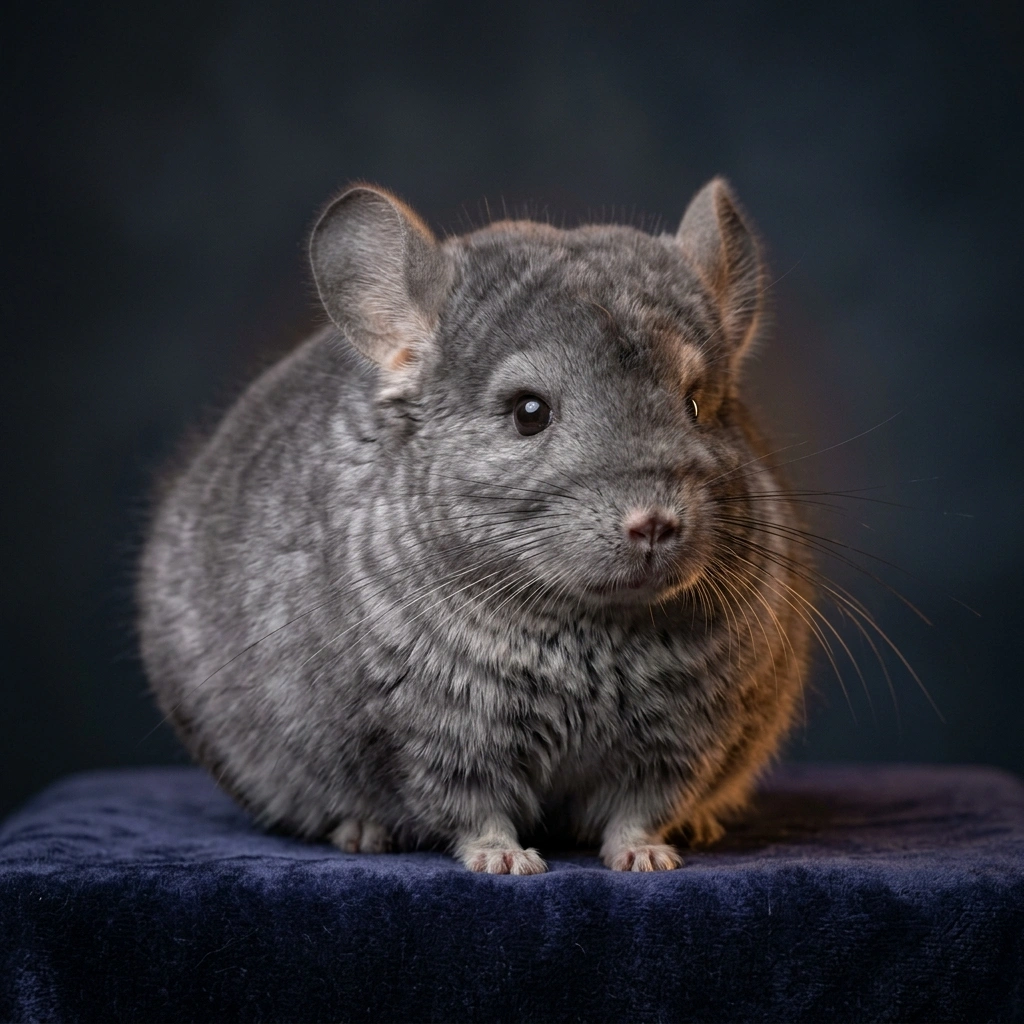
Boasting silky-soft fur and adorable round bodies, Chinchillas are popular exotic pets. However, unlike dogs and cats, a chinchilla’s teeth grow continuously throughout its life. As a result, misaligned incisors and molars often pierce the mouth, leading to painful malocclusion. Furthermore, lacking sweat glands and possessing extremely dense fur, they are highly vulnerable to heatstroke in hot, humid environments. In this guide, decodes chinchilla dental pain and heat stress signals, proposing a 3-step care routine to safeguard their health.
Veterinary & Behavioral Evidence
This content is based on Association of Exotic Mammal Veterinarians (AEMV) Chinchilla Husbandry Guidelines & Rodent Dentistry Clinical Standards.
 FreshSelf
Keep pet food and supplements perfectly fresh!
FreshSelf
Keep pet food and supplements perfectly fresh!








1. Chinchilla Body Language: Drooling with Food Dropping and Overheating Signs
Chinchilla Body Language: Drooling with Food Dropping and Overheating Signs
If a chinchilla shows 'drooling and dropping hay', wetting the fur around its mouth, this is a critical warning signal of severe dental malocclusion. On the other hand, 'lying on their side with rapid breathing' indicates a near-heatstroke emergency where immediate cooling intervention is required.
2. Chinchilla (Chinchilla lanigera)‘s Body Language & Behavioral Signals
Drooling and Dropping Hay
Overgrown teeth from malocclusion puncture the palate or cheek lining, making swallowing impossible and blocking chewing due to intense pain.
Visit a specialized exotic animal hospital immediately to have overgrown teeth trimmed or ground using specialized dental equipment.
Lying on Side with Rapid Breathing
High indoor temperatures have caused body heat to spike, leaving the chinchilla exhausted with dilated airways in a state of heat stress.
Turn on the air conditioner immediately to lower room temperature below 20°C, and place marble slabs or towel-wrapped ice bottles inside the cage.
3. Customized 3-Step Home Care Routine for Chinchilla (Chinchilla lanigera)
Morning: Unlimited Feeding of Coarse High-Fiber Timothy Hay
To prevent teeth from overgrowing continuously, provide fresh, coarse timothy hay at all times to induce natural dental wear through chewing.
Afternoon: Climate Control for Year-Round Heatstroke & Humidity Prevention
Maintain indoor temperature at 18–21°C and humidity at 40–50% or lower year-round using air conditioners and dehumidifiers to replicate comfortable alpine conditions.
Evening: 15-Minute Volcanic Dust Bath Session Once Daily
During their active evening hours, place a specialized volcanic dust bath container in the cage to remove excess skin oil from their dense fur. (Water baths are strictly prohibited.)
📌 Frequently Asked Questions (FAQ)
Why is dental malocclusion so dangerous for Chinchillas? ▼
When teeth become too long, they can pierce the jawbone or cheek mucosa and block tongue movement. Inability to chew leads to severe malnutrition, gastrointestinal stasis, or death. Continuous hay chewing is essential for prevention.
Why shouldn't Chinchillas ever be bathed in water? ▼
Chinchillas have an incredibly dense coat with over 80 hairs growing per follicle, making natural drying impossible once wet. Trapped moisture causes severe fungal dermatitis or fatal hypothermia.