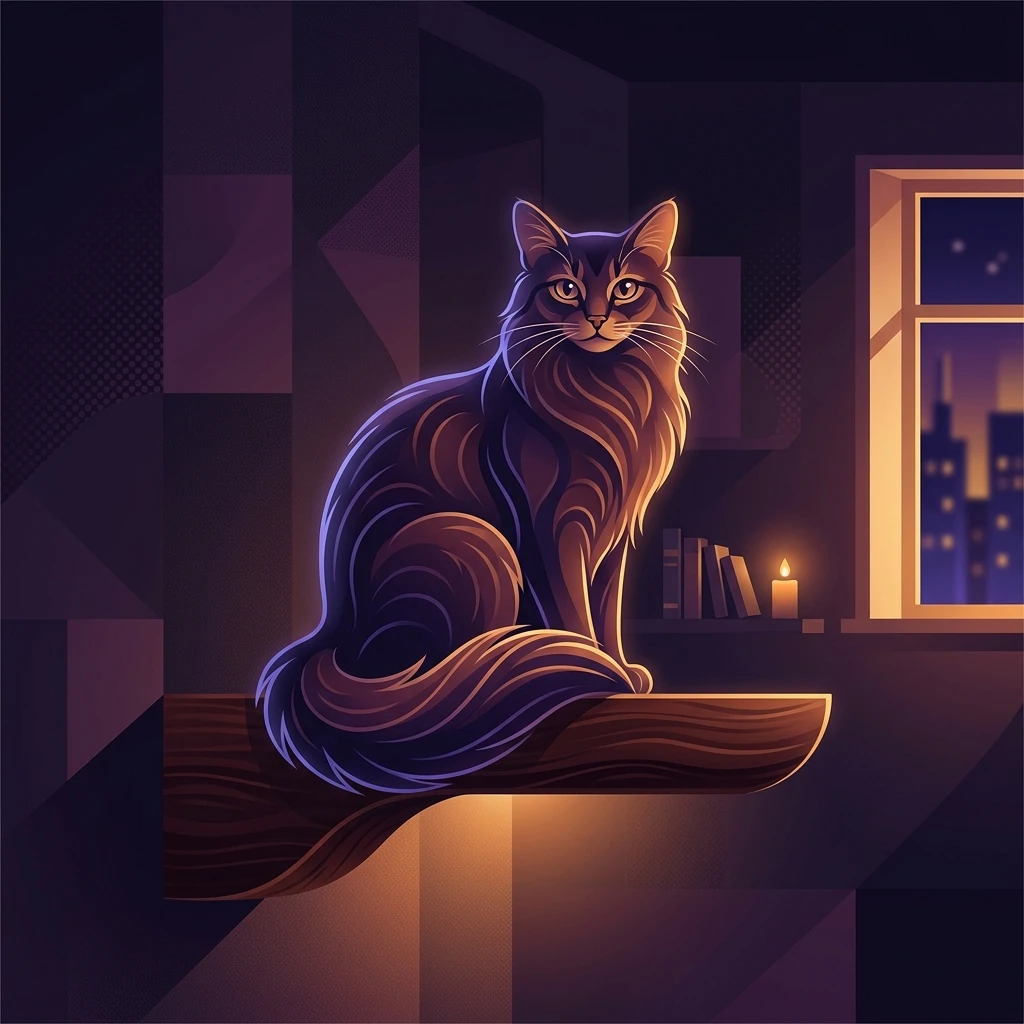
Renowned for their plume tail and elegant ticked coat, the Somali Cat is a striking, energetic breed originating from the longhair gene of the Abyssinian. Brimming with curiosity and intelligence, they are often dubbed the ‘clowns of the cat kingdom’ for their agile athleticism and inquisitive nature. However, behind their playful demeanor lies a genetic risk for Pyruvate Kinase Deficiency (PKDefef), a hereditary condition causing red blood cell destruction and severe anemia, alongside Progressive Retinal Atrophy (PRA). Additionally, their silky semi-longhair coat requires regular grooming to prevent hairballs and matting. In this guide, decodes Somali health signals and outlines a 3-step daily care routine.
Veterinary & Behavioral Evidence
This content is based on Cat Fanciers' Association (CFA) Breed Standard & Cornell Feline Health Center Research.
 FreshSelf
Keep pet food and supplements perfectly fresh!
FreshSelf
Keep pet food and supplements perfectly fresh!






1. Somali Cat Body Language: PKDefef Anemia Warning Signs and Vertical Space High Energy
Somali Cat Body Language: PKDefef Anemia Warning Signs and Vertical Space High Energy
Somalis are highly energetic cats, making sudden shifts in activity crucial to observe. Pale gums paired with sudden lethargy 'PKDefef Anemia Warning Signal' indicate critical red blood cell destruction requiring emergency care. Conversely, swishing a bushy tail from a high vantage point 'Vertical High-Energy Excitement' represents healthy playfulness that needs positive outlets.
2. Somali Cat’s Body Language & Behavioral Signals
Pale Gums & Sudden Lethargy (PKDefef Anemia Warning Signal)
An emergency medical condition caused by Pyruvate Kinase Deficiency (PKDefef), where red blood cells break down rapidly, triggering acute hemolytic anemia.
Check gum and mucous membrane colors immediately, stop physical exertion, and transport the cat to a 24-hour veterinary hospital for blood testing and transfusion support.
Puffed Tail Swishing from a High Vantage Point (Vertical High-Energy Excitement)
An expressive state of high energy and natural curiosity combined with hunting instincts and a desire for high vertical territories.
Engage the cat in active play sessions using feather wands or laser toys to burn calories safely and satisfy their climbing motivation.
3. Customized 3-Step Home Care Routine for Somali Cat
Morning: Oral Hygiene Check, Portioned Feeding & PKDefef Genetic Verification
Inspect gums due to the breed's susceptibility to gingivitis, feed measured high-protein portions, and confirm PKDefef genetic status with your vet.
Afternoon: Vertical Territory Setup & Interactive Hunting Puzzles
Provide sturdy multi-level cat trees to accommodate their jumping instincts and introduce nosework puzzle feeders to stimulate their high intellect.
Evening: Semi-Longhair Undercoat Brushing & Hairball Management
Gently brush their soft semi-long coat daily with slicker and pin brushes to prevent mats, and administer hairball control supplements as recommended.
📌 Frequently Asked Questions (FAQ)
What is Pyruvate Kinase Deficiency (PKDefef) in Somali cats? ▼
PKDefef is an inherited hemolytic anemia caused by a lack of the pyruvate kinase enzyme essential for red blood cell energy. Symptoms include pale gums, lethargy, and jaundice. Genetic testing of parents and routine blood panels are vital for early monitoring.
How should I handle a Somali cat's high activity level and coat care? ▼
Somalis love climbing, so stable, high cat trees and vertical wall shelves are essential. Because of their soft semi-longhair double coat, brush them at least 3 times a week with a pin brush to remove dead undercoat and prevent hairball vomiting.