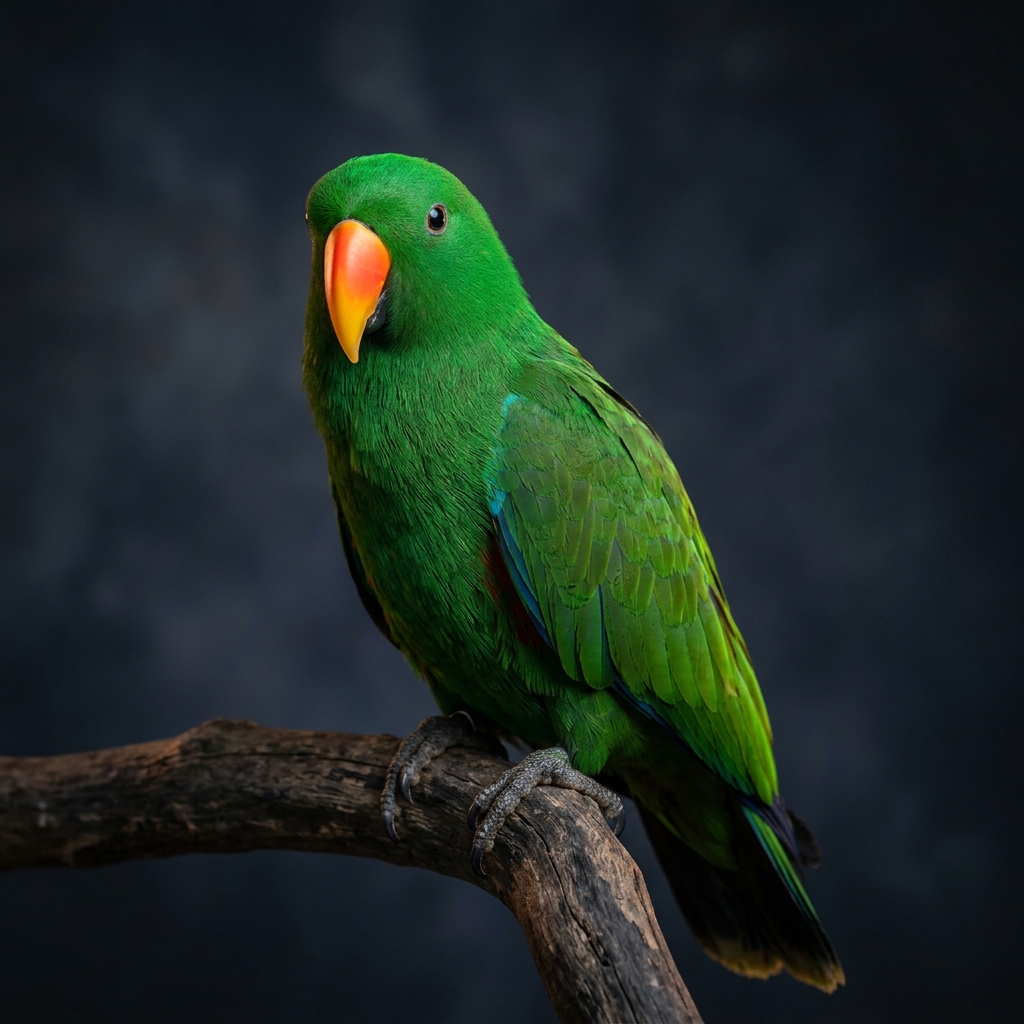
The Eclectus Parrot (Eclectus roratus) is a world-renowned medium-large parrot species famed for its extreme sexual dimorphism. Males boast emerald green plumage with a candy-corn orange beak, while females showcase a stunning crimson and violet-blue coat with a black beak—a contrast so stark they were historically mistaken for two distinct species. Anatomically, Eclectus Parrots possess significantly longer digestive tracts (proventriculus and intestines) than other parrots, requiring a high-fiber, high-moisture diet rich in fresh fruits, vegetables, and complex carbohydrates. Feeding synthetic-fortified pellets or high-fat seed diets can trigger neurological distress such as toe-tapping and wing-flipping. In this guide, decodes Eclectus Parrot body signals and shares a 3-step nutrition and care guide.
Veterinary & Behavioral Evidence
This content is based on IUCN Bird Conservation Guidelines & Association of Avian Veterinarians (AAV) Clinical Nutrition Protocols.
 FreshSelf
Keep pet food and supplements perfectly fresh!
FreshSelf
Keep pet food and supplements perfectly fresh!




1. Eclectus Parrot Communication: Freezing Posture and Soft Social Cues
Eclectus Parrot Communication: Freezing Posture and Soft Social Cues
When feeling cautious or intimidated, Eclectus Parrots do not immediately screech; instead, they exhibit a 'Freezing' behavior, locking their body completely upright to observe. Conversely, when relaxed and affectionate, they stretch their neck softly, make gentle eye contact, and produce low, melodious vocalizations or speech.
2. Eclectus Parrot’s Body Language & Behavioral Signals
Upright Body Stiffening (Freezing)
A defensive reaction to unfamiliar stimuli or fear, halting movement to assess potential threats.
Avoid forcing physical contact; give them space in a quiet environment until they regain composure.
Gentle Eye Contact & Soft Beak Clicking (Gentle Eye Contact & Beak Clicking)
Indicates comfort, trust, and readiness to interact calmly with their human companion.
Speak in a quiet, soothing tone and reward them with a fresh piece of fruit to reinforce positive bonding.
3. Customized 3-Step Home Care Routine for Eclectus Parrot
Morning: Vitamin A-Rich Fresh Produce Breakfast & Gut Check
Feed a fresh meal consisting of 60-70% raw produce (apples, papayas, carrots, squash, leafy greens). Inspect droppings to monitor digestive health.
Afternoon: Vocal Interaction & Neurological Monitoring (Toe-Tapping Check)
Engage in gentle speech training to stimulate their high vocal capability. Observe for toe-tapping or wing-flipping symptoms caused by dietary imbalances or synthetic additives.
Evening: Lukewarm Feather Mist Bath & 12-Hour Quiet Sleep
Mist bathe with lukewarm water to maintain feather hydration and cleanliness. Cover the cage and ensure 10-12 hours of quiet, dark rest for emotional stability.
📌 Frequently Asked Questions (FAQ)
Can I feed my Eclectus Parrot a standard pellet or seed-only diet? ▼
No. Due to their unusually long digestive tract, high-fat seed or heavily fortified pellet diets cause fatty liver disease, vitamin A deficiency, or organ stress. Their diet must consist predominantly (60-70%) of fresh vegetables, fruits, sprouted grains, and soft foods.
Why is my Eclectus Parrot tapping its toes or flipping its wings (Toe-Tapping / Wing-Flipping)? ▼
Toe-tapping and wing-flipping are specific involuntary muscle spasms in Eclectus Parrots caused by dietary sensitivities—often triggered by artificial dyes, synthetic vitamin fortifications, high-fat seed diets, or calcium imbalances. Immediately remove artificial pellets/fortified treats and transition to fresh, natural whole foods.