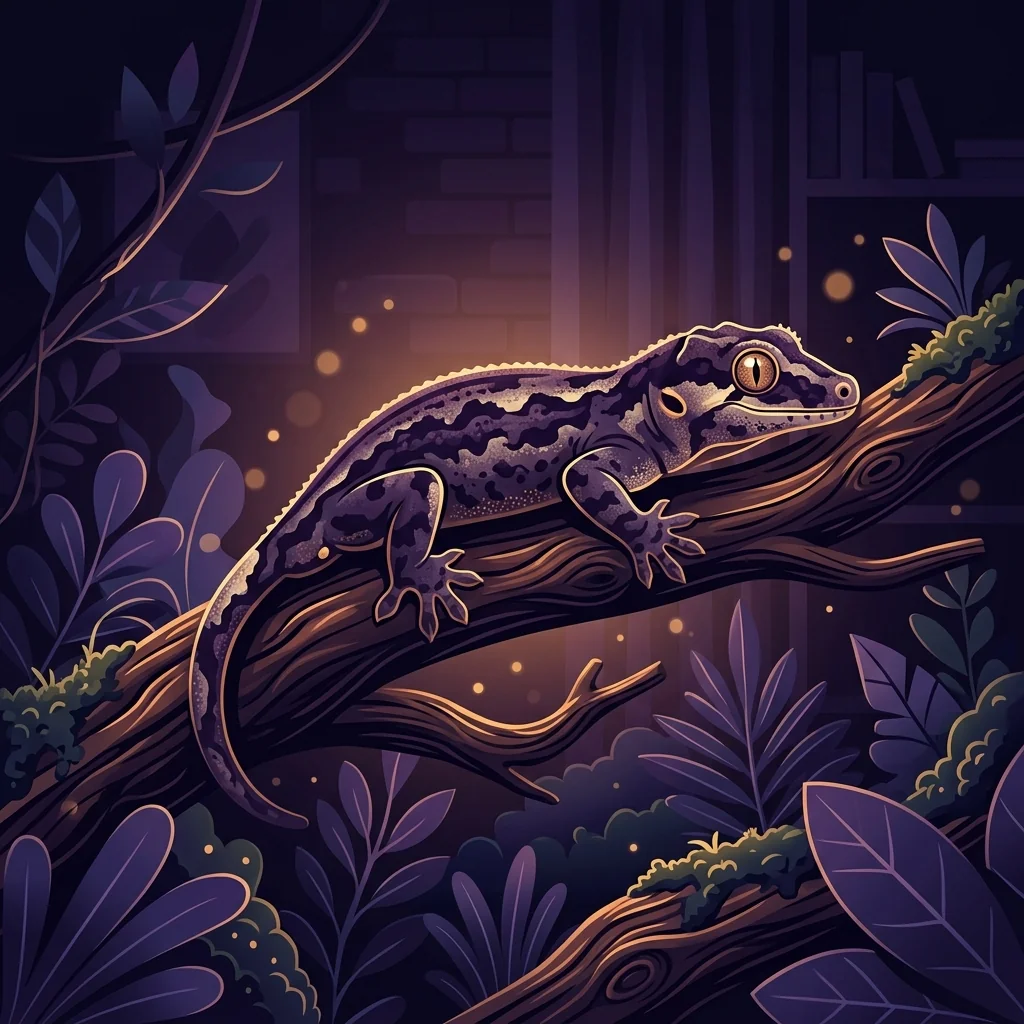
Named for the distinct cranial crest bumps and marbled patterns reminiscent of stone gargoyles, the Gargoyle Gecko is a captivating arboreal lizard native to southern New Caledonia. According to International Herpetological Society (IHS) care protocols, Gargoyle Geckos are extremely sensitive to temperatures above 28°C and require cool living conditions alongside a structured humidity gradient (50%-60% during the day, 70%-80% at night). Unlike Crested Geckos, Gargoyle Geckos can fully regenerate their tails, making diet (Crested Gecko Diet/CGD) and environmental control the key factors for their longevity.
Veterinary & Behavioral Evidence
This content is based on International Herpetological Society (IHS) & Reptile Veterinary Care Protocols.
 FreshSelf
Keep pet food and supplements perfectly fresh!
FreshSelf
Keep pet food and supplements perfectly fresh!









1. Gargoyle Gecko Body Signals: Firing Up and Tail Twitching/Squeaking
Gargoyle Gecko Body Signals: Firing Up and Tail Twitching/Squeaking
Gargoyle Geckos convey their emotions and physical state through vivid skin color changes (firing up) and distinct behavioral cues. Recognizing darkened coloration or defensive tail movements helps minimize stress.
2. Gargoyle Gecko (Rhacodactylus auriculatus)‘s Body Language & Behavioral Signals
Skin Color Darkens or Brightens Vividly (Firing Up)
A natural physiological response triggered by nighttime activity, temperature/humidity shifts, or heightened alertness.
Check that enclosure temperatures remain cool (22°C - 25°C) and ensure proper humidity without over-handling.
Tail Twitching/Wagging & Squeaking Sounds (Tail Twitching & Squeaking)
A defensive warning signal indicating extreme stress, discomfort from rough handling, or feeling threatened.
Immediately stop handling and return the gecko to a dark, cool hide inside its terrarium to rest peacefully.
3. Customized 3-Step Home Care Routine for Gargoyle Gecko (Rhacodactylus auriculatus)
Morning: Sleep Status Check, Cool Temperature Monitoring (22°C - 25°C) & Ventilation
Ensure the gecko has settled safely in its daytime arboreal hide after nocturnal activity and verify that terrarium temperatures do not exceed 26°C.
Afternoon: Remaining Diet Removal & Daytime Drying Period (50% - 60% Humidity)
Remove uneaten prepared diet to maintain sanitation and allow the terrarium to dry out slightly to prevent fungal or bacterial growth.
Evening: Nighttime Misting (70% - 80% Humidity) & Diet/Insect Feeding
Mist the terrarium walls with clean water to encourage drinking from droplets, and offer fresh Crested Gecko Diet (CGD) or calcium-dusted feeder insects 3-4 times a week.
📌 Frequently Asked Questions (FAQ)
Does a Gargoyle Gecko's tail fail to regrow if dropped, like a Crested Gecko? ▼
No! Unlike Crested Geckos, Gargoyle Geckos have the remarkable ability to fully regenerate dropped tails within a few months. However, adequate nutrition and minimal stress are essential during regeneration.
Is it dangerous if the terrarium temperature rises above 28°C in summer? ▼
Extremely dangerous! As a cool-climate species from New Caledonia, temperatures above 28°C can cause severe heat stress and fatal hyperthermia. Use room air conditioning or cooling fans to keep temperatures between 22°C and 25°C.