Have you ever bought aromatic tea leaves only to find their delicate flavor faded, stale, or flat after a few weeks? 🍃
Although loose tea leaves are completely dry, they act like a sponge, rapidly absorbing oxygen, moisture, light, heat, and surrounding odors. Exposure to humidity and oxygen oxidizes beneficial compounds like catechins and theanine, destroying freshness and leaving behind a dull, bitter taste.
In this guide, introduces a scientifically proven 3-step tea storage guide recommended by USDA and tea experts to preserve subtle aromas and vibrant flavor for months. 🛡️
Food Safety & Scientific Evidence
This content is based on USDA & MFDS.
 FreshSelf
Zero waste! Your smart storage assistant
FreshSelf
Zero waste! Your smart storage assistant






1. Scientifically Proven Storage Guide
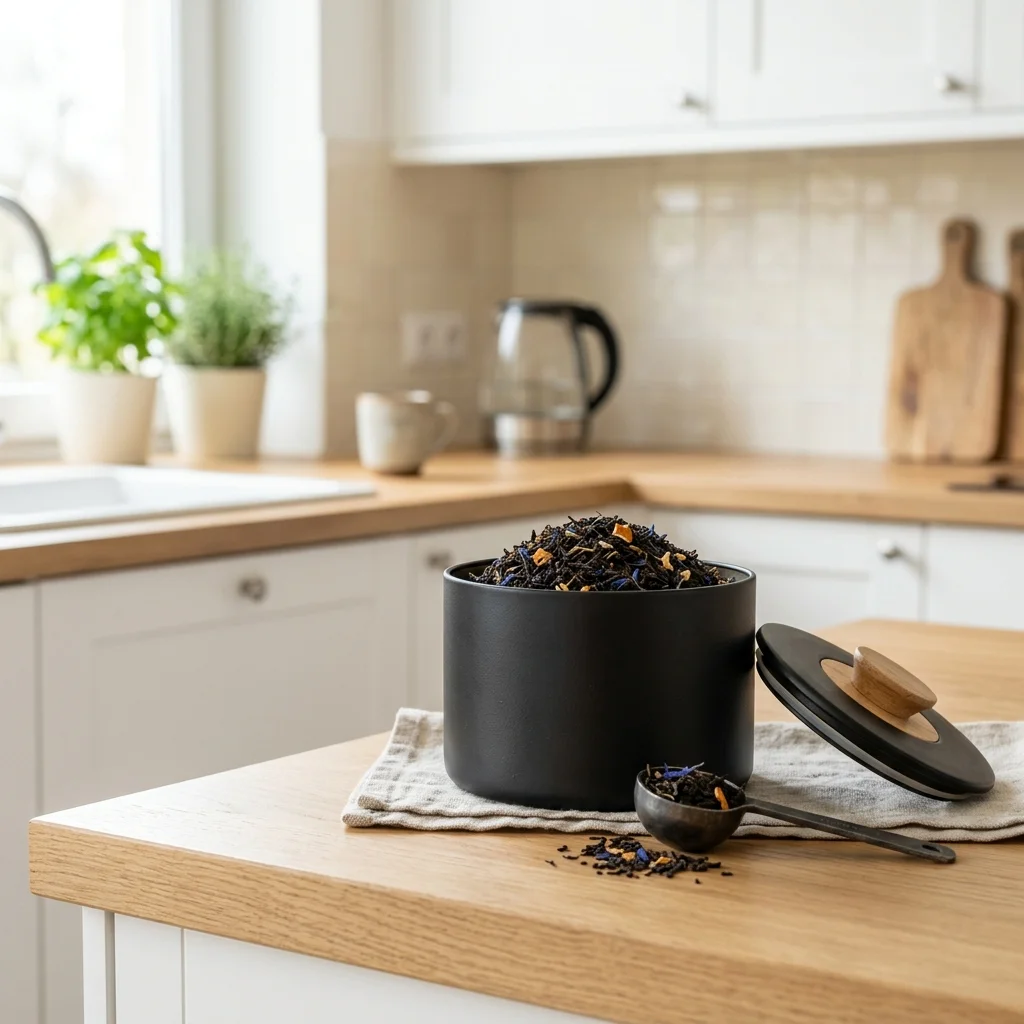
Seal in an opaque tin canister or multi-layer foil bag — Complete Light & Oxygen Barrier 📦
Oxygen and light are the greatest enemies of tea quality. 💡 Storage Tip: Transfer opened tea leaves into an opaque double-lidded metal tin or a heavy-duty aluminum foil Ziploc bag, squeeze out excess air, and seal tightly.
Keep in a cool, dry, dark pantry at 15–25°C — Block Heat & Moisture 🌡️
High ambient temperatures and relative humidity above 60% trigger rapid oxidation of tea antioxidants. 💡 Storage Tip: Store tea in a dark, dry cabinet away from stoves, kettles, and sunny windows.
[Green Tea/Matcha] Vacuum-seal and refrigerate/freeze for long-term storage — Long-Term Storage (Up to 1 Year) ❄️
Unfermented teas like green tea and matcha are hyper-sensitive to oxidation and benefit from cold storage. 💡 Storage Tip: Seal completely airtight in foil bags before placing in the fridge or freezer (-18°C). When taking it out, allow the sealed package to come to room temperature for 1–2 hours before opening to prevent condensation.
2. Essential Storage Rules and Cautions
UV rays and light rapidly break down chlorophyll and volatile aroma compounds, changing the tea color and stripping away its sweet, floral notes. Always use opaque, light-blocking containers.
Tea leaves have a porous microscopic structure that instantly absorbs volatile odor molecules (coffee, garlic, spices, or fridge odors). Store tea strictly separated from strong-smelling items.
📌 Frequently Asked Questions (FAQ)
Are storage requirements the same for green, black, oolong, and pu-erh teas? ▼
No. Green tea requires strict oxidation control (cool/dark or airtight cold storage). Black and oolong teas stay fresh at dry room temperature. Pu-erh and fermented teas require slight airflow and controlled humidity to age properly.
Can I still drink tea past its printed expiration date? ▼
Yes. Tea leaves do not easily rot if kept completely dry, but their delicate aromas and health benefits degrade over time. If older tea has lost its fragrance, you can lightly roast it in a dry pan to enjoy as toasted tea (hojicha) or use it as a natural deodorizer.