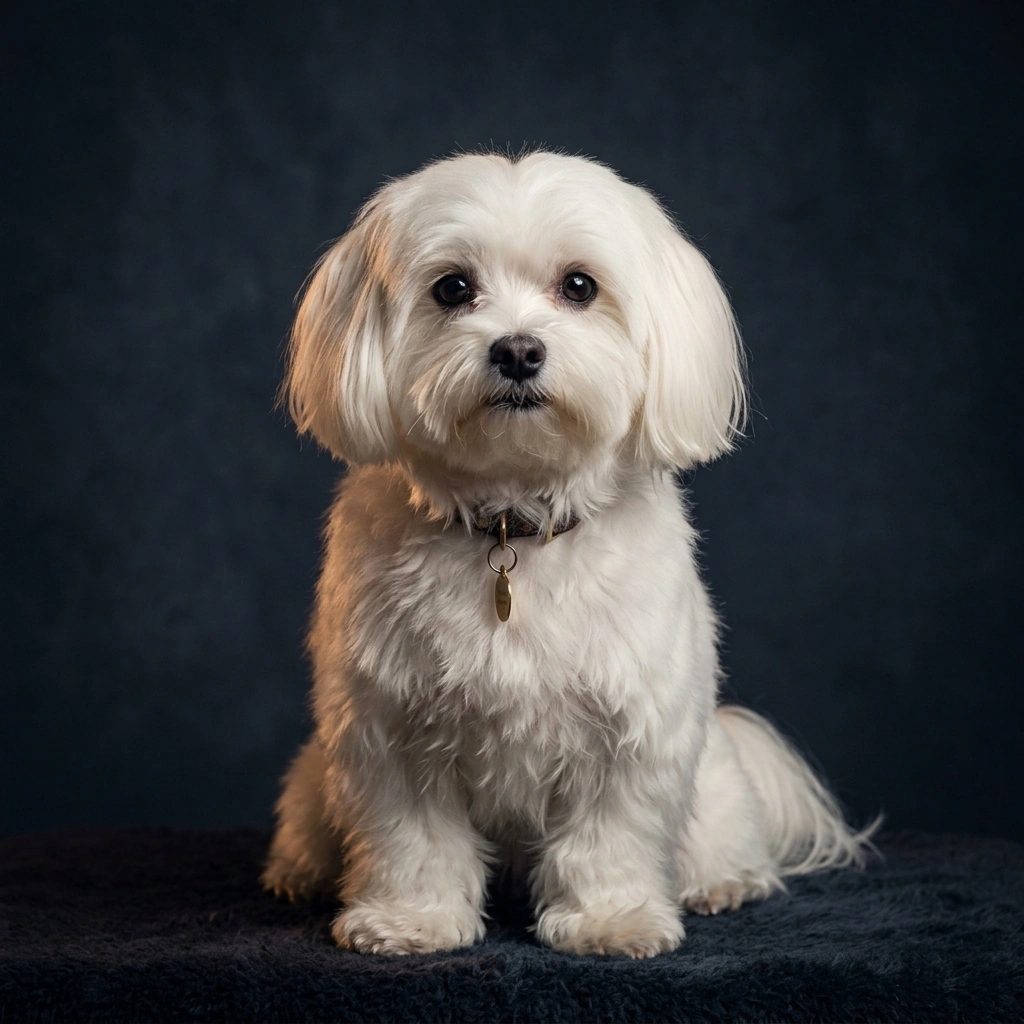
Maltese dogs, with their white, silky coat and three adorable black dots (eyes and nose), are long-cherished companion dogs around the world. While lively and affectionate, they express their boundaries clearly, earning them a cute ‘spunky’ reputation. 🐕
However, Maltese owners often worry about two critical genetic issues: Patellar Luxation (dislocated kneecaps) and Tear Staining (epiphora), which leaves red-brown streaks on white fur and easily triggers facial dermatitis. Daily lifestyle protective routines are crucial for managing these conditions.
In this guide, we explore Maltese body language and introduces a safe, 3-step daily care routine to protect their joints and eyes.
Veterinary & Behavioral Evidence
This content is based on Official American Kennel Club (AKC) Breed Guide & IAABC Behavioral Protocols.
 FreshSelf
Keep pet food and supplements perfectly fresh!
FreshSelf
Keep pet food and supplements perfectly fresh!







1. Maltese Body Language: Signals of Stress and Comfort
Maltese Body Language: Signals of Stress and Comfort
As dogs with high psychological dependency on their owners, Maltese silently express their inner anxiety through subtle body gestures. Typical calming signals include 'Nose Licking' and 'Yawning'. When facing a tense or unfamiliar environment, licking their nose or yawning is not due to hunger or sleepiness; it is a peaceful message to soothe themselves and signal 'I mean no harm, please don't threaten me'. If owners continue excessive handling during this time, stress levels spike, so it is best to take a step back and provide space.
2. Maltese (Canis lupus familiaris)‘s Body Language & Behavioral Signals
Yawning
Not due to fatigue; it is a calming signal saying 'please quiet down' to soothe themselves and those around them.
If they yawn during training or nail clipping, halt immediately and provide a quiet resting space.
Nose Licking
An expression of self-soothing when they feel awkward, tense, or anxious in their current situation.
If shown when held or approached by strangers, stop physical contact and step back to grant them space.
3. Customized 3-Step Home Care Routine for Maltese (Canis lupus familiaris)
Morning: Slip Prevention Check and Joint Stretching
Check that pet mats haven't slipped. When your Maltese stretches in the morning, gently massage their hind leg joints to loosen stiff muscles. Ensure paw pad fur is trimmed to keep pads exposed.
Afternoon: 1:1 Eye Hygiene and Combing Routine
Once a day, comb eye areas using fine-tooth flea/tear combs and specialized eye cleansing solutions. Damp fur leads to red stains and bacterial dermatitis, so thoroughly dry remaining moisture with a cotton pad.
Evening: Joint Supplement and Paw Touch Desensitization
Administer joint supplements (such as chondroitin). Gently touch their sensitive paws and immediately offer treats. This desensitization prevents aggressive biting during claw trimming or joint checks.
📌 Frequently Asked Questions (FAQ)
Why do Maltese hate having their paws touched? ▼
Maltese are toy dogs with highly developed peripheral sensory nerves concentrated in their paw pads, making them instinctively avoid paw contact. Desensitization training—gently touching paw tips and rewarding with treats—is required rather than forced handling.
Can safety stairs completely prevent patellar luxation? ▼
While stairs reduce landing impact, slippery floors and overgrown paw fur also play major roles. You must keep paw pad fur trimmed short and lay down non-slip floor mats indoors for optimal prevention.