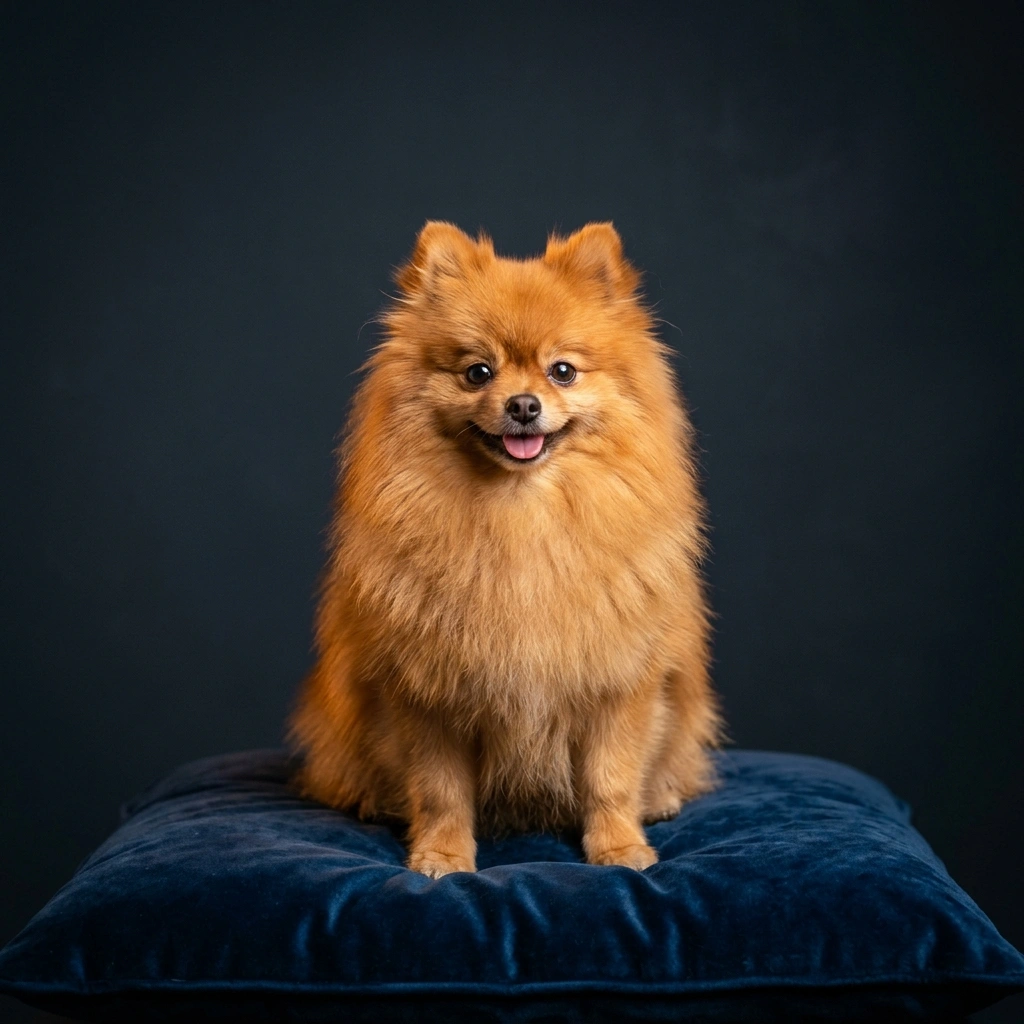
Pomeranians are highly popular toy dogs, beloved for their fluffy double coat and confident, active gait. They are outgoing and intelligent, but their Spitz heritage can make them sensitive to sounds and prone to sharp barking. 🐕 Pomeranian owners often face two significant health concerns: Patellar Luxation (dislocated kneecaps due to thin bone structure) and Tracheal Collapse (which causes a honking, goose-like cough). These conditions can easily worsen in indoor environments with slippery floors. In this guide, provides key insights into Pomeranian body language and introduces a protective 3-step home care routine for their joints and trachea.
Veterinary & Behavioral Evidence
This content is based on Official American Pomeranian Club Breed Guide & AVMA Veterinary Manual.
 FreshSelf
Keep pet food and supplements perfectly fresh!
FreshSelf
Keep pet food and supplements perfectly fresh!







1. Pomeranian Body Language: Distinguishing Playfulness from Anxiety
Pomeranian Body Language: Distinguishing Playfulness from Anxiety
Pomeranians are highly expressive and shift emotions rapidly. Key body language signals include the 'play bow' and 'lip licking'. When a Pomeranian lowers their front body while raising their hips, it is the classic 'play bow,' indicating an open, happy invitation to play. However, if they appear to wag their tail but continuously lick their lips with their tongue, it is a calming signal indicating internal anxiety or stress. Owners should not mistake this for excitement and should help calm them down.
2. Pomeranian (Canis lupus familiaris)‘s Body Language & Behavioral Signals
Play Bow
Lowering the front body while raising the hips, representing an open and happy invitation to play.
Respond joyfully by throwing a favorite toy or starting a gentle chase game.
Lip Licking
Not anticipating food; it is a calming signal used to control internal anxiety or environmental stress.
If seen during walks or in new places, guide them away from the stimulus to ensure safety and quietness.
3. Customized 3-Step Home Care Routine for Pomeranian (Canis lupus familiaris)
Morning: Floor Grip Maintenance and Jump Prevention
Ensure non-slip mats are correctly placed around beds and sofas to protect their thin bones. Train them to use pet stairs instead of jumping down.
Afternoon: Pin Brushing Against Hair Direction for Airflow
Use a pin brush to gently brush the coat from tail to head, fluffing it up. This prevents undercoat matting and allows healthy air flow to the skin.
Evening: Neck Massage and Harness Check to Avoid Tracheal Strain
To protect their fragile trachea, examine your Y-shaped harness and avoid neck collars completely. Massage the sides of their neck gently to relieve muscle tension.
📌 Frequently Asked Questions (FAQ)
What should I do when my Pomeranian makes a goose-like honking sound? ▼
This honking is a common symptom of tracheal collapse. Do not panic; hold your Pomeranian close, rub their throat gently, or temporarily cover their nostrils for 1 second to encourage nose breathing, which helps settle the spasm quickly.
Can home care cure patellar luxation without surgery? ▼
No. Advanced stages (Grade 3 or 4) with physical deformity require surgical correction. Home care (maintaining healthy weight, preventing slips, and building muscle) is highly effective in early stages (Grade 1 or 2) to slow progression and prevent post-surgery recurrence.