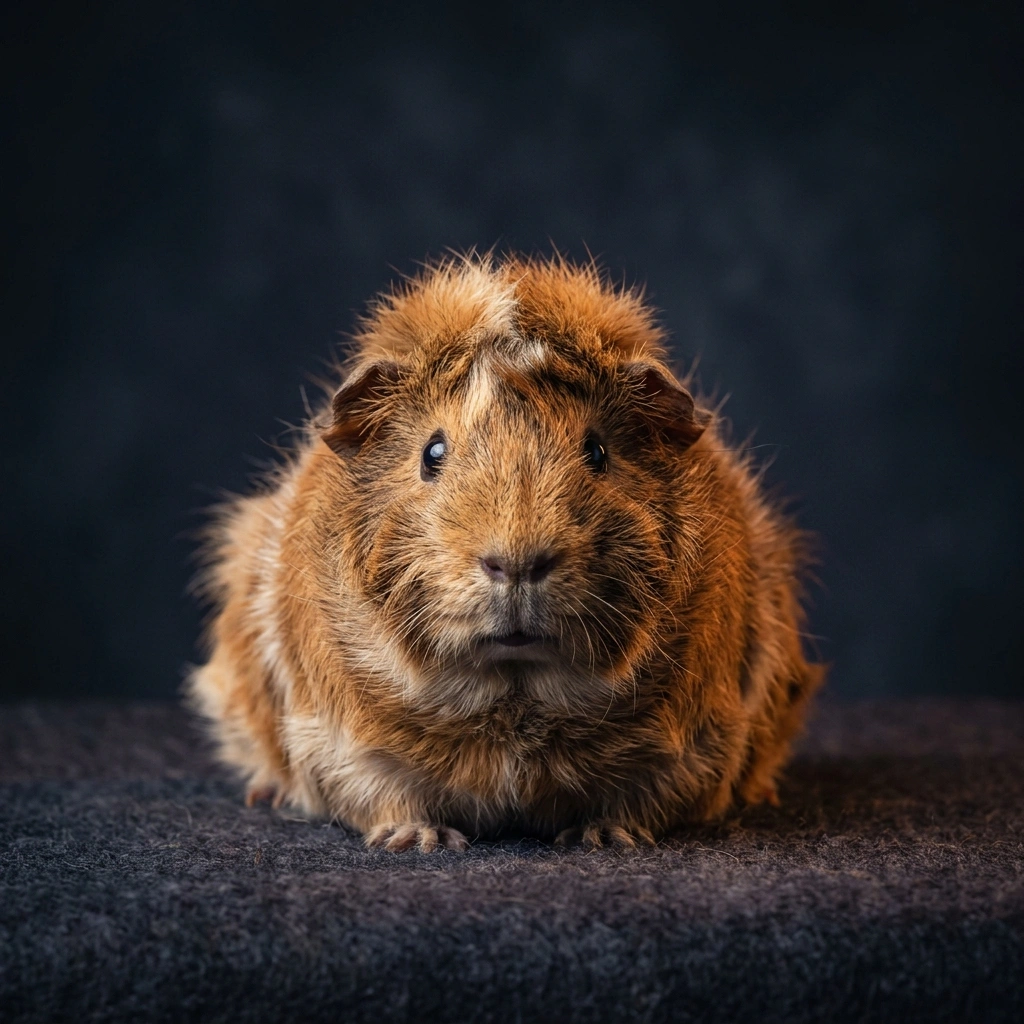
Abyssinian guinea pigs are widely loved for their unique rosettes (swirls of fur) and active, curious nature. Because they lack the enzyme needed to synthesize Vitamin C naturally, a dietary deficit rapidly leads to scurvy, swollen joints, and low immunity. Additionally, their delicate respiratory tracts make cage hygiene and dust-free hay selection vital. In this guide, decodes guinea pig vocal and physical signals and shares a 3-step homecare routine for Vitamin C enrichment and respiratory health.
Veterinary & Behavioral Evidence
This content is based on Royal Society for the Prevention of Cruelty to Animals (RSPCA) Rodent Care Guidelines and exotic veterinary clinical standards.
 FreshSelf
Keep pet food and supplements perfectly fresh!
FreshSelf
Keep pet food and supplements perfectly fresh!

1. Guinea Pig Communication: Wheeking and Popcorning
Guinea Pig Communication: Wheeking and Popcorning
Guinea pigs are highly vocal and expressive animals that communicate their emotions clearly. They make a loud, high-pitched squeak called 'wheeking' when demanding food or greeting their caregiver. Conversely, they perform a sudden, jerky jump called 'popcorning' when experiencing intense joy and a feeling of complete safety.
2. Abyssinian Guinea Pig’s Body Language & Behavioral Signals
Wheeking (Loud Squeaking)
An excitement call or food request, typically triggered by hearing food packaging open or seeing their caregiver approach with fresh vegetables.
Provide fresh bell peppers or Vitamin C supplements, using this moment to build trust and strengthen your bond.
Popcorning (Sudden Jumping)
Jumping straight up in the air with sudden twists, showing pure joy, vitality, and emotional comfort.
Ensure their play space is free of hard edges or hazards so they can jump safely without risk of injury.
3. Customized 3-Step Home Care Routine for Abyssinian Guinea Pig
Morning: Vitamin C Supplementation & Fresh Hay Check
Administer vet-approved Vitamin C supplements directly or feed high-Vitamin C fresh vegetables like bell peppers (avoid adding Vitamin C to water as it degrades quickly). Fill the rack with fresh Timothy hay.
Afternoon: Cage Spot Cleaning & Dust Control
Spot-clean soiled bedding to prevent harmful ammonia buildup. Gently shake Timothy hay outside before placing it in the cage to reduce airborne dust and protect their lungs.
Evening: Health Inspection & Social Interaction
Inspect eyes and nose for discharge (early signs of URI) and check the skin under their rosettes. Spend quality time interacting gently to satisfy their social needs.
📌 Frequently Asked Questions (FAQ)
Can I feed my guinea pig oranges or citrus fruits for Vitamin C? ▼
Citrus fruits contain high levels of sugar and citric acid, which can cause painful mouth sores (cheilitis) and digestive distress. It is much safer to feed Vitamin C-rich, low-sugar vegetables like bell peppers or formulated guinea pig supplements.
Can Abyssinian guinea pigs live alone? ▼
No. Guinea pigs are herd animals with strong social needs and can suffer from severe depression and lethargy if kept alone. They should always be housed in compatible same-sex pairs or neutered groups.