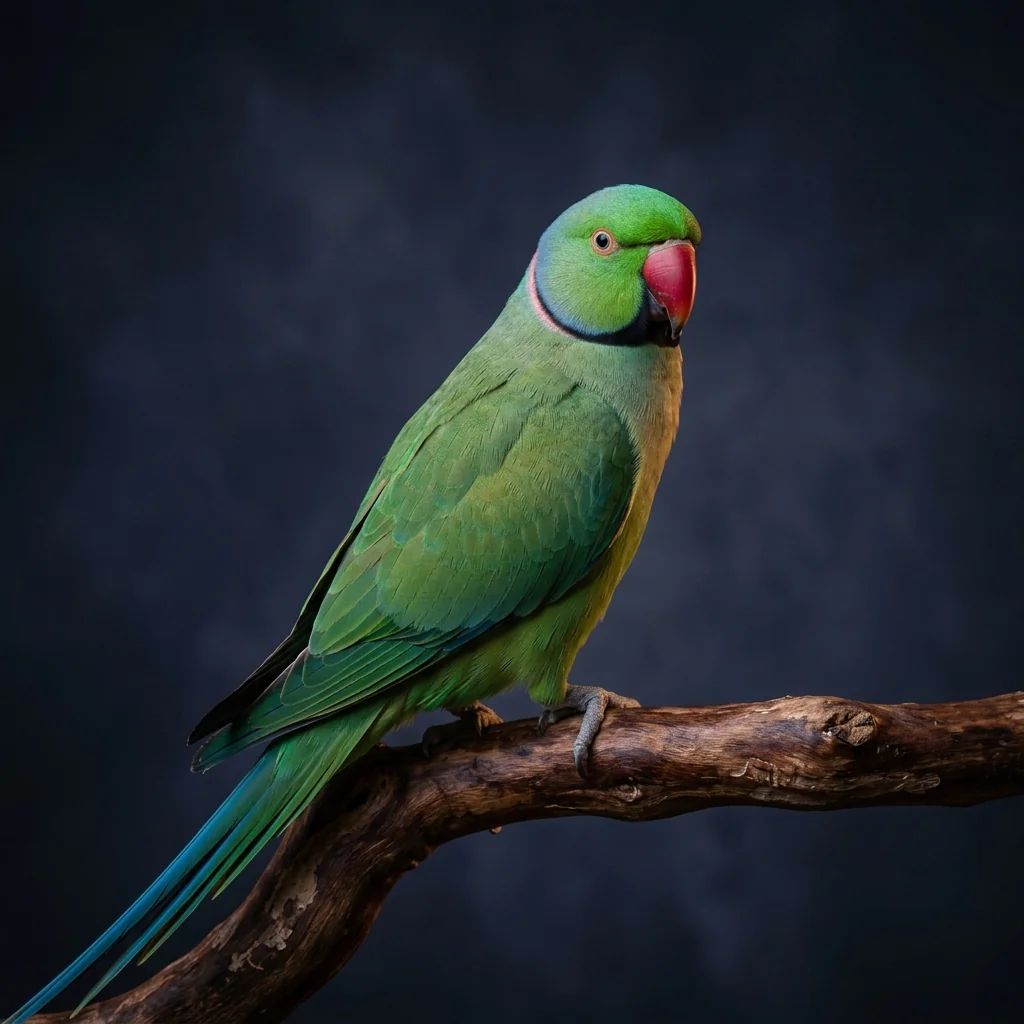
The Indian Ringneck Parakeet is a medium-sized parrot wildly popular on social media for the adult male’s distinguished neck ring and remarkable speech mimicry skills. Highly intelligent and independent, they go through a challenging juvenile ‘bluffing’ phase around one year of age characterized by sudden biting and aggression. Overcoming this phase requires consistent behavioral training, speech engagement, and a pellet-centered diet balanced with fresh produce. In this guide, decodes Indian Ringneck behavioral signals and shares a 3-step homecare routine for vocal bonding, bluffing correction, and optimal nutrition.
Veterinary & Behavioral Evidence
This content is based on Association of Avian Veterinarians (AAV) Clinical Guidelines and Avian Behavioral Standards.
 FreshSelf
Keep pet food and supplements perfectly fresh!
FreshSelf
Keep pet food and supplements perfectly fresh!






1. Indian Ringneck Instincts: Eye Pinning and Rhythmic Head Bobbing
Indian Ringneck Instincts: Eye Pinning and Rhythmic Head Bobbing
Indian Ringnecks express intense emotions through rapid pupil constriction known as 'Eye Pinning' during moments of joy, excitement, or territorial arousal. They also rhythmically bob their heads and chatter in front of favorite humans or objects as a sign of affection and vocal engagement.
2. Indian Ringneck Parakeet (Psittacula krameri)‘s Body Language & Behavioral Signals
Eye Pinning / Eye Flashing
Rapid pupil constriction indicating heightened excitement, intense curiosity, or pre-bite territorial warning.
Assess the context: if it stems from aggression or fear, pause interaction and wait calmly until pupils stabilize.
Head Bobbing & Whistling
A display of affection, excitement, and readiness for social interaction or speech training.
Respond enthusiastically with clear words and gentle praise to encourage mimicry and strengthen your bond.
3. Customized 3-Step Home Care Routine for Indian Ringneck Parakeet (Psittacula krameri)
Morning: Balanced Pellet Feeding & 10-Minute Speech Session
Offer a high-quality formulated pellet diet and conduct a focused 10-minute vocal repetition session in a clear, cheerful tone during morning alertness.
Afternoon: Fresh Produce Chop & Foraging Toy Rotation
Provide fresh vegetables rich in Vitamin A (broccoli, carrots, leafy greens) and supply wood/paper foraging toys to channel juvenile chewing urges.
Evening: Supervised Flight, Bluffing Correction & Blackout Sleep
Allow at least one hour of out-of-cage flight exercise. Correct biting by remaining neutral (no yelling) and applying a short time-out, then ensure 10–12 hours of covered sleep.
📌 Frequently Asked Questions (FAQ)
How do I manage the juvenile 'Bluffing' phase biting? ▼
Bluffing is a natural hormonal developmental stage. Yelping or reacting dramatically rewards the bird with attention. Instead, maintain a neutral expression, withdraw your hand calmly, and give a brief 5-minute cage time-out to reinforce boundaries.
Why is an all-seed diet dangerous for Indian Ringnecks? ▼
Seed-only diets are excessively high in fat and deficient in Vitamin A and calcium, leading to fatty liver disease, obesity, feather plucking, and shortened lifespans. Formulated pellets should make up 60–70% of their daily intake, supplemented with fresh vegetables.