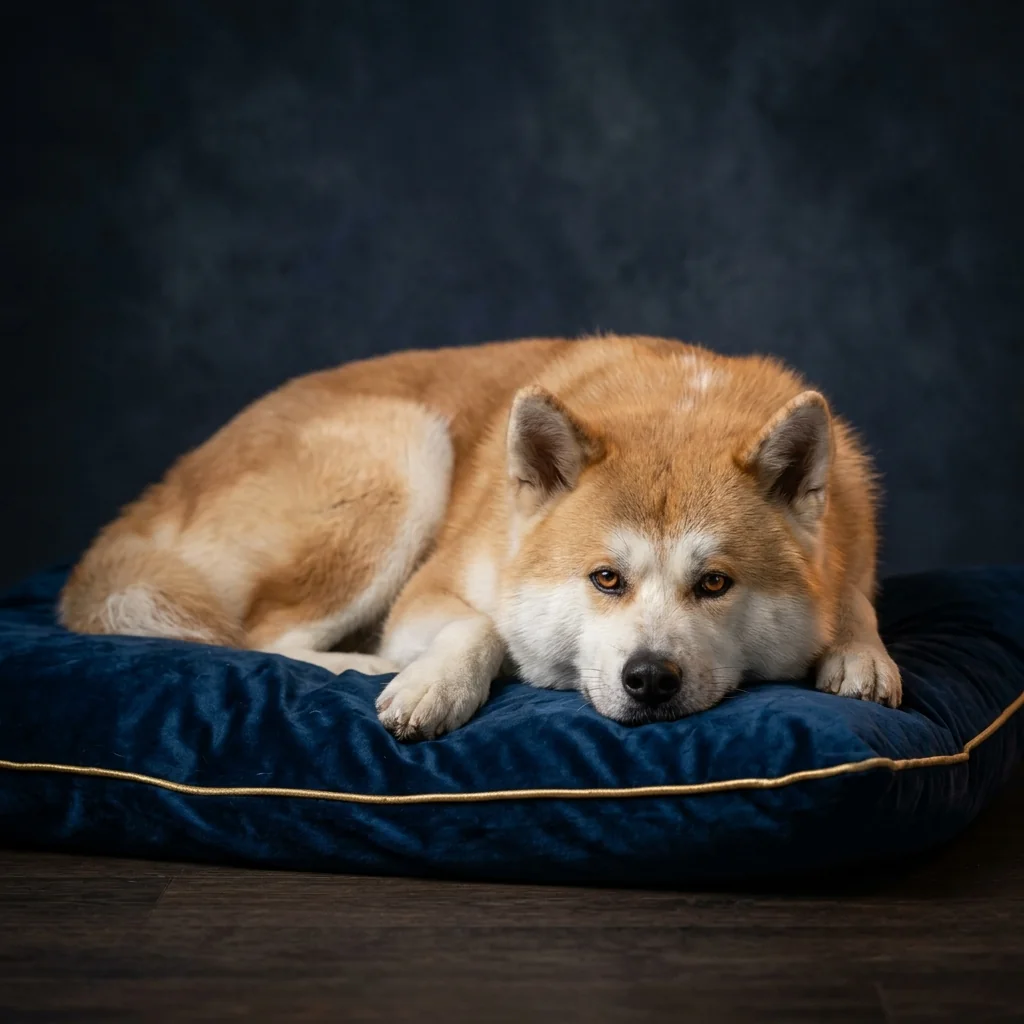
Famous globally through the legendary story of Hachiko, the Akita Inu is Japan’s premier large breed, revered for its stoic dignity and fierce loyalty. Built for cold, mountainous origins, they possess a dense double coat that experiences massive seasonal shedding (‘coat blowouts’). Highly intelligent and self-reliant, Akitas require consistent, assertive leadership and extensive early socialization from puppyhood to prevent dog-on-dog aggression and territorial overprotectiveness. In this guide, decodes Akita behavioral signals and presents a 3-step homecare routine for coat maintenance, authority training, and cool temperature management.
Veterinary & Behavioral Evidence
This content is based on Japan Kennel Club (JKC) Standards and World Small Animal Veterinary Association (WSAVA) Clinical Guidelines.
 FreshSelf
Keep pet food and supplements perfectly fresh!
FreshSelf
Keep pet food and supplements perfectly fresh!








1. Akita Instincts: Direct Eye Contact and Raised Ears/Tail Posture
Akita Instincts: Direct Eye Contact and Raised Ears/Tail Posture
Akitas are proud animals that communicate dominance and alertness through regal posture. When encountering strangers or other dogs, an Akita will stand tall, prick its triangular ears forward, raise its curled tail, and lock eyes in a 'Direct Stare'—a confident signal of territory guarding and dominant assessment.
2. Akita Inu’s Body Language & Behavioral Signals
Pricked Ears, Raised Tail & Direct Stare
A dominant display of territorial alertness, dominance, or challenge toward unfamiliar dogs or strangers.
Intervene calmly by breaking eye contact, creating physical distance, and issuing a firm 'Leave it' or 'Heel' command.
Heavy Panting & Floor Splay
An indicator of thermal distress due to their insulating undercoat trapping excess body heat.
Move the dog immediately into a climate-controlled room (20–22°C / 68–72°F) and provide fresh, cool water.
3. Customized 3-Step Home Care Routine for Akita Inu
Morning: Slicker Brushing for Undercoat Deshedding & Cool Walk
Exercise during cool morning hours and thoroughly brush through the dense undercoat with a slicker brush to remove trapped dead fur.
Afternoon: Climate-Controlled Cooling (20–22°C) & Mental Enrichment
Keep indoor temperatures cool with air conditioning to prevent heat stroke, offering food puzzles or nosework to engage their keen mind.
Evening: Assertive Obedience Training & Joint/Skin Inspection
Reinforce leadership with daily 10-minute obedience drills ('Sit', 'Stay', 'Heel'), followed by an inspection of their large joints and skin health.
📌 Frequently Asked Questions (FAQ)
Is the Akita Inu suitable for a first-time dog owner? ▼
No. The Akita's powerful build, strong willpower, and natural dominance over other dogs make them unsuitable for novice owners. They require an experienced handler capable of providing calm, firm, and consistent leadership without physical harshness.
How severe is their shedding, and how do I manage summer heat? ▼
Akitas shed moderately year-round and experience intense double coat blowouts twice a year, releasing clumps of undercoat. Daily grooming with an undercoat rake is mandatory during mues. In summer, keep them in an air-conditioned room (20–22°C) and avoid midday sun.