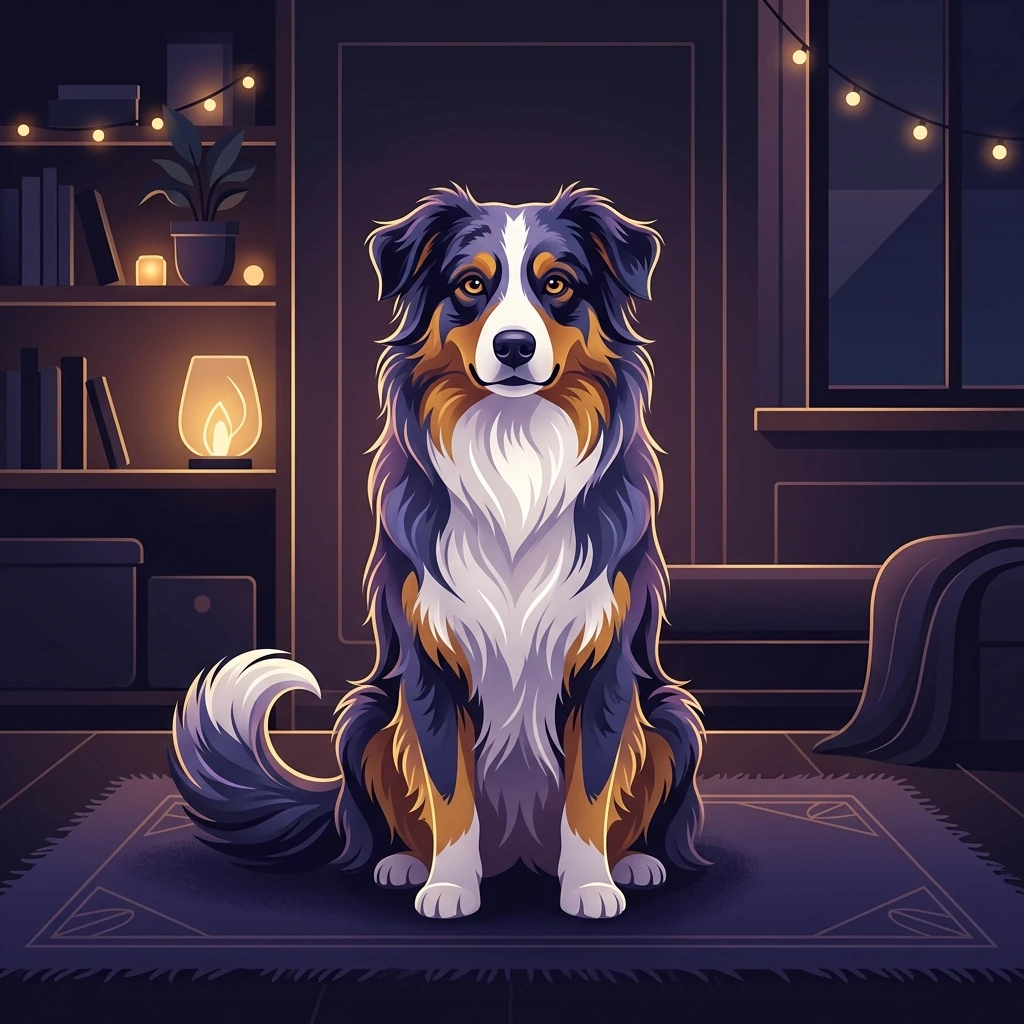
Renowned for their striking coat variations, exceptional intelligence, and boundless energy, the Australian Shepherd (‘Aussie’) is a world-class canine athlete and devoted family companion. Highly loyal and eager to learn, Aussies possess a powerful herding instinct that may manifest as ankle-nipping toward running children or other pets. Furthermore, they carry a high prevalence of the MDR1 (Multi-Drug Resistance 1) gene mutation, making them extremely sensitive to certain routine veterinary medications. They are also prone to hereditary ocular disorders such as Collie Eye Anomaly (CEA) and Hip Dysplasia (HD). In this guide, presents a 3-step daily care routine to decode your Aussie’s body language and protect its health.
Veterinary & Behavioral Evidence
This content is based on American Kennel Club (AKC) & United Australian Shepherd Association (USASA) Care Standards.
 FreshSelf
Keep pet food and supplements perfectly fresh!
FreshSelf
Keep pet food and supplements perfectly fresh!








1. Australian Shepherd Body Language: The Wiggle Butt and Ankle Nipping (Eyeing / Herding Drive)
Australian Shepherd Body Language: The Wiggle Butt and Ankle Nipping (Eyeing / Herding Drive)
Australian Shepherds express joy and herding intent through expressive hindquarter movements and intense gazes. Shaking their entire lower body side-to-side upon greeting 'The Wiggle Butt' is an iconic expression of uninhibited joy and affection. Conversely, lowering their head, fixing an intense unblinking gaze on a moving target, and nipping at heels 'Ankle Nipping / Eyeing' is an instinctual herding signal aimed at controlling movement.
2. Australian Shepherd (Aussie)‘s Body Language & Behavioral Signals
Vigorously Shaking the Entire Lower Body Side-to-Side Upon Greeting (Wiggle Butt)
An iconic Aussie affection display signaling profound joy, excitement, and deep attachment toward their owner.
Acknowledge calmly with gentle strokes, keeping energy relaxed to prevent over-arousal.
Lowering Head, Staring Intently, and Nipping at Heels of Moving People (Ankle Nipping / Eyeing)
An instinctual herding behavior used to control and direct livestock or moving objects.
Immediately interrupt the behavior with obedience commands like 'Stay' or redirect their focus to frisbee or ball fetch games.
3. Customized 3-Step Home Care Routine for Australian Shepherd (Aussie)
Morning: High-Protein Nutrition & MDR1 Drug Sensitivity Status Verification
Provide high-protein food to sustain their active metabolism, ensuring all heartworm preventatives or medications comply with their MDR1 status.
Afternoon: High-Intensity Athletic Exercise (60+ Min) & Brain Enrichment (Agility / Frisbee)
Fulfill their athletic drive through open-field running, disc catching, agility obstacles, and advanced obedience brain games.
Evening: Dense Double-Coat Grooming & Joint / Ocular Health Inspection
Brush their double coat with a pin brush to remove loose undercoat fur, inspecting eyes for cloudiness and checking hips for stiffness.
📌 Frequently Asked Questions (FAQ)
Why is DNA testing for the 'MDR1 Gene Mutation' critical for Australian Shepherds? ▼
The MDR1 (ABCB1) gene mutation reduces P-glycoprotein function, allowing drugs to cross the blood-brain barrier. If an affected Aussie receives standard doses of specific drugs (like ivermectin, loperamide, or certain anesthetics), it can cause severe neurotoxicity, seizures, paralysis, or fatal shock. Testing their MDR1 status via DNA and sharing results with your veterinarian is vital for drug safety.
How do I manage my Aussie's instinctual behavior of nipping at children's ankles? ▼
Ankle nipping stems from their instinctual 'heeling' behavior used to drive cattle. High-pitched squeals or running by children encourage the dog to herd harder. Teach children to freeze completely when the dog nips. Simultaneously, provide daily outlets for their herding drive through sports like Treibball, Frisbee, or agility training.