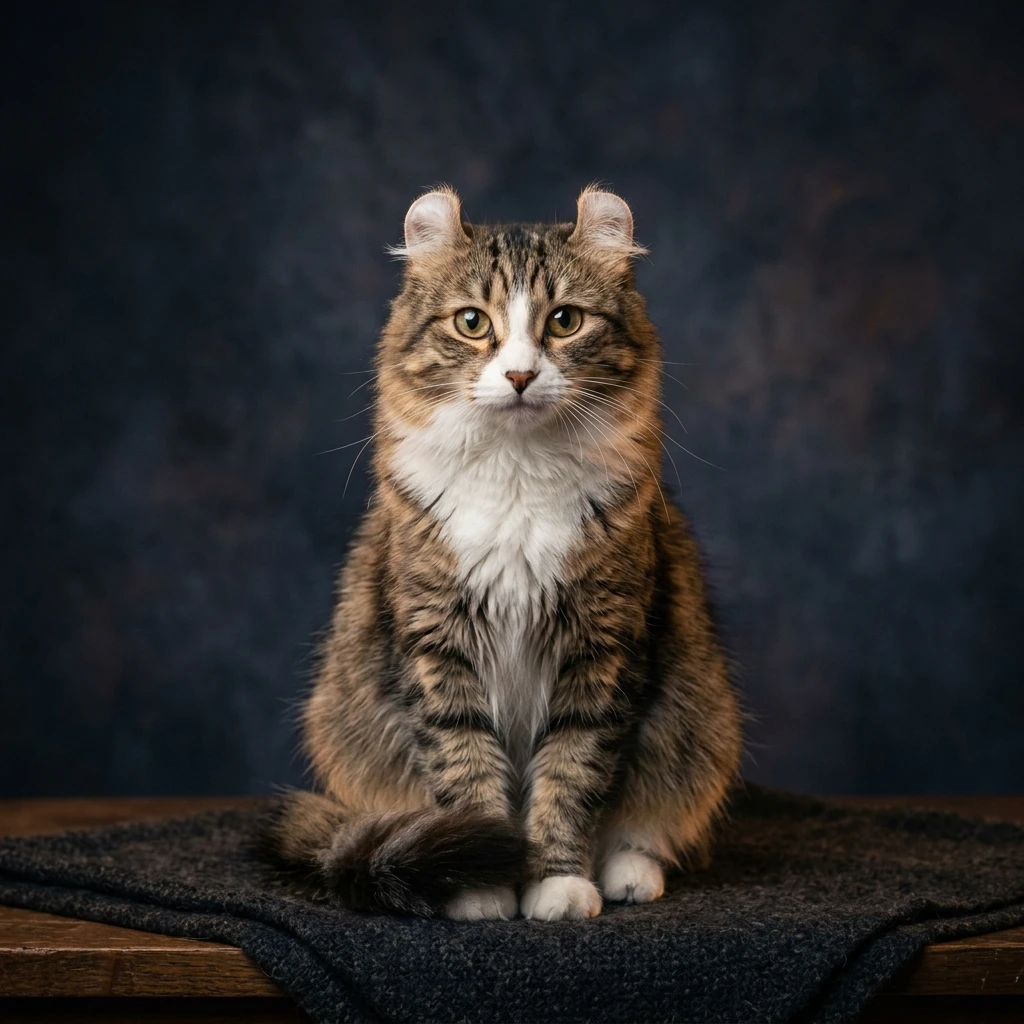
The American Curl is celebrated globally, especially in North America, for its gracefully backward-curling ears and highly affectionate, dog-like personality. Often referred to as the ‘Peter Pan of cats’ because they retain their kitten-like playfulness into adulthood, their unique ears are the result of a natural genetic mutation. The cartilage in their ears is firm, much like human ears, requiring gentle handling to prevent damage or breakage. Since their ears are harder to naturally clean, regular maintenance is vital. Furthermore, they are highly people-oriented and can suffer from stress if ignored. In this guide, we decode the American Curl’s friendly body language and share a 3-step daily routine for ear health and emotional bonding.
Veterinary & Behavioral Evidence
This content is based on Cat Fanciers' Association (CFA) Breed Standards & The International Cat Association (TICA) Veterinary Ear Health Guidelines.
 FreshSelf
Keep pet food and supplements perfectly fresh!
FreshSelf
Keep pet food and supplements perfectly fresh!





1. American Curl Instincts: Head Bunting and Soft Trilling Signals
American Curl Instincts: Head Bunting and Soft Trilling Signals
American Curls love to be around their owners, often greeting them at the door like a puppy. When expressing intimacy, they frequently perform 'bunting', rubbing their heads against your legs or face. Instead of loud meows, they usually communicate their happiness or desire to play with a soft, vibrating 'trill' or cooing sound.
2. American Curl’s Body Language & Behavioral Signals
Head Bunting & Rubbing
An active physical signal of deep affection and belonging, leaving their scent on you to claim you as family.
Extend your hand to gently stroke their forehead and cheeks, responding with a warm, affectionate voice.
Soft Trilling (Cooing)
A gentle, pigeon-like 'prrr' sound expressing joy, a positive greeting, or an invitation to play.
Make eye contact, bring out a wand toy, or softly call their name to share in the joy of communication.
3. Customized 3-Step Home Care Routine for American Curl
Morning: Morning Greetings & Interactive Play
Since they love to wake up with their humans, spend 5-10 minutes engaging in interactive play with a wand toy to build a strong bond right away.
Afternoon: Firm Cartilage Ear Check & Gentle Cleaning
Without ever forcing the ear backward, gently wipe away visible dirt and wax from the outer crevices using a soft cotton pad dampened with pet-safe ear cleaner.
Evening: Grooming Bonding & Guided Rest
Brush their silky coat to provide soothing physical contact, and set up a cozy spot near you or on the bed where they can sleep securely by your side.
📌 Frequently Asked Questions (FAQ)
Can I use a cotton swab (Q-tip) to clean my American Curl's ears? ▼
Absolutely not. The cartilage in an American Curl's ear is very firm and uniquely structured. Inserting a cotton swab can cause severe damage to the cartilage and lead to painful inflammation. Always use a soft cotton pad or ball dampened with ear cleaner, and only wipe the visible outer parts of the ear.
Do American Curls tolerate being left alone for long hours? ▼
No. American Curls have a strong 'dog-like' attachment to people and thrive on interactive companionship. Being left alone for extended periods can cause severe loneliness and separation anxiety. If you are away often, it is highly recommended to have another cat or pet to keep them company.