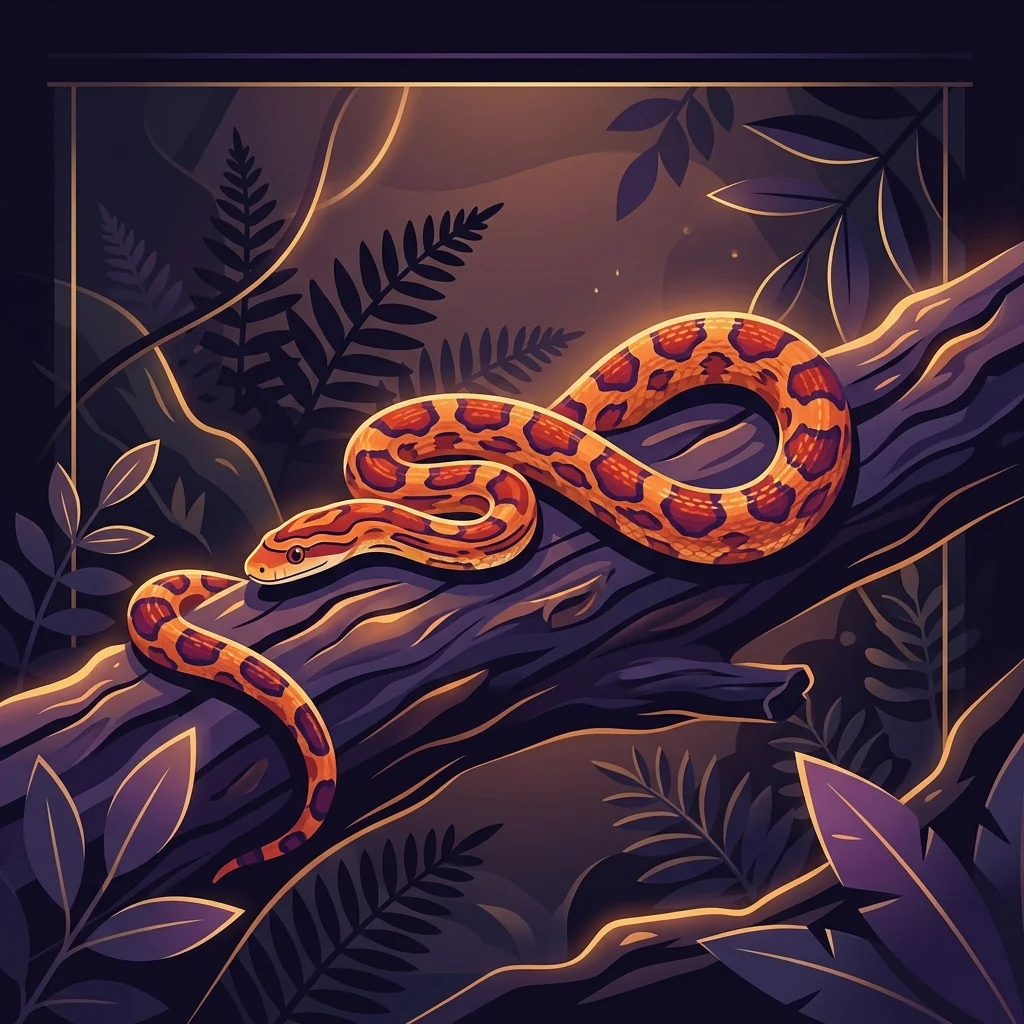
Named for the corn-like checkered pattern on their belly scales, the Corn Snake (Pantherophis guttatus) is the most cherished starter pet snake worldwide due to its docile nature and striking color morphs. Corn snakes require cooler thermal gradients than Ball Pythons, thriving with a cool zone of 22°C–24°C, a hot zone of 28°C–30°C, and baseline humidity of 40%–50%. Handling within 48 hours post-feeding or inadequate basking temperatures can cause fatal regurgitation. Furthermore, their slender, muscular bodies make them notorious escape artists. In this guide, presents a 3-step daily care routine to read your snake’s signals and maintain its health.
Veterinary & Behavioral Evidence
This content is based on Association of Reptilian and Amphibian Veterinarians (ARAV) & USARK Herpetological Care Standards.
 FreshSelf
Keep pet food and supplements perfectly fresh!
FreshSelf
Keep pet food and supplements perfectly fresh!







1. Corn Snake Body Language: Tail Rattling and S-Strike Posture
Corn Snake Body Language: Tail Rattling and S-Strike Posture
Corn Snakes communicate alert states and defensive agitation through tail vibration and body posture. Rapidly vibrating their tail against substrate or walls to produce a buzzing noise 'Tail Rattling' is a defensive mimicry of rattlesnakes when feeling threatened. Conversely, pulling the front third of the body back into an S-curve while staring 'S-Strike Posture' is an explicit warning of an impending defensive strike.
2. Corn Snake (Pantherophis guttatus)‘s Body Language & Behavioral Signals
Rapidly Vibrating Tail Against Substrate (Tail Rattling)
An instinctual defensive warning mimicking rattlesnakes when startled by sudden handling or perceived threats.
Retract your hand immediately and allow the snake undisturbed time inside its hide to regain calm.
S-Curving Upper Body & Aiming Head (S-Strike Posture)
A defensive strike warning indicating the snake feels cornered or intensely threatened and is ready to bite.
Stop all handling immediately and close the enclosure door to remove external threat factors.
3. Customized 3-Step Home Care Routine for Corn Snake (Pantherophis guttatus)
Morning: Thermal Gradient Check (Cool 22°C–24°C / Hot 28°C–30°C) & Ventilation Lock Inspection
Maintain cooler temperatures than python species, checking digital humidity (40%–50%) and verifying cage escape-lock security.
Afternoon: Fresh Water Bowl Renewal & Hide Substrate Hygiene
Change water daily in a bowl suitable for soaking, removing damp waste to prevent skin and scale infections.
Evening: 48-Hour Post-Feeding Rest & Moist Hide Placement for Shedding
Strictly refrain from handling for at least 48 hours after feeding to prevent regurgitation, providing a moist moss hide during blue phase.
📌 Frequently Asked Questions (FAQ)
My Corn Snake regurgitated its prey—what should I do? ▼
Regurgitation is a medical emergency that severely damages the esophagus and stomach lining with stomach acids. Causes include handling within 48 hours post-feeding, low hot-zone temperatures (below 28°C), or oversized prey. Do not offer food for at least 12–14 days to allow gut mucosa to heal, then restart with a much smaller, thoroughly warmed prey item.
My Corn Snake keeps pushing against lid seams trying to escape—is this normal? ▼
Corn Snakes are highly agile and intelligent escape artists. If their head fits through a gap, their whole body will follow; always secure cages with locking clips or sliding locks. Persistent pushing can also indicate overheating or inadequate hideouts, so double-check enclosure temperatures.