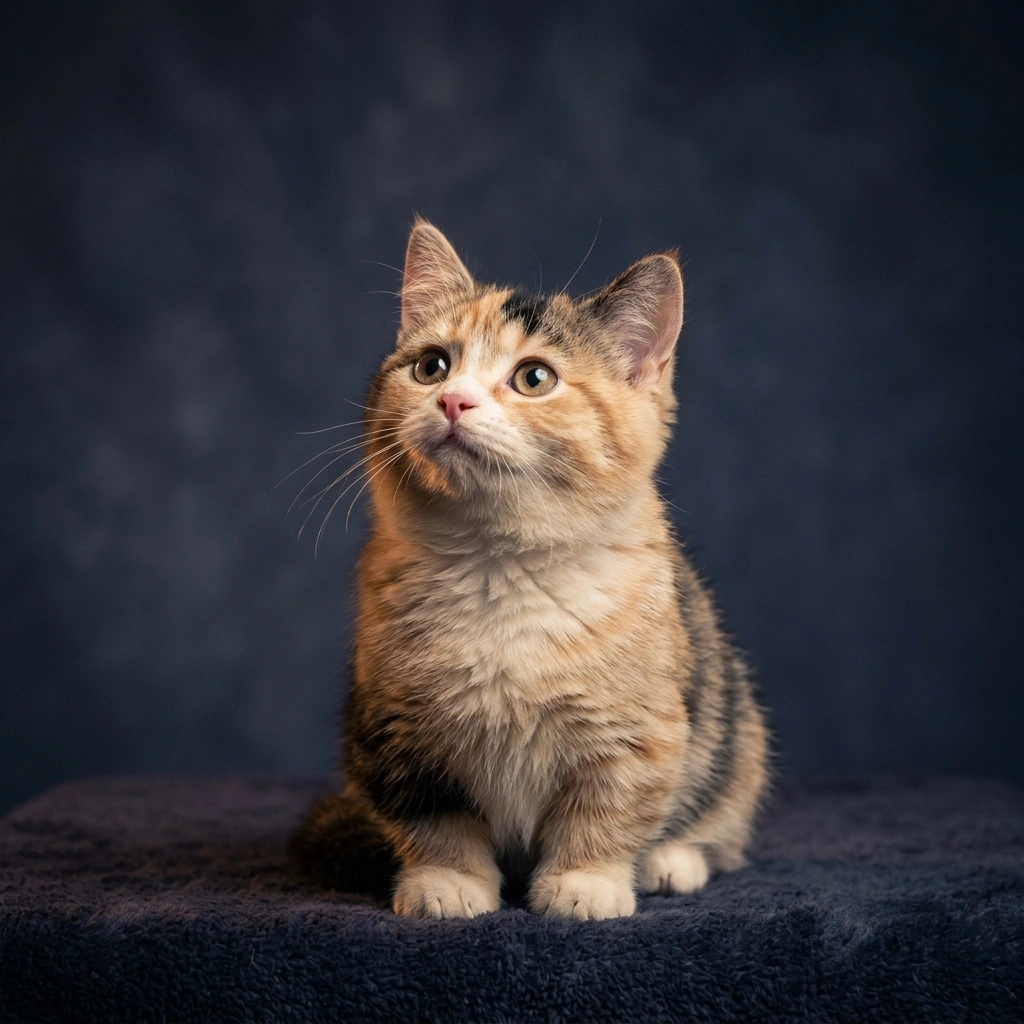
Munchkin cats, beloved for their short, stubby legs and outgoing personalities, are surprisingly agile and energetic runners. However, due to their shortened limbs, the impact force exerted on their spine and joints when jumping down from high places is significantly higher than that of standard cats. Consequently, they possess a genetic predisposition to Lordosis and early-onset Osteoarthritis. In this guide, decodes Munchkin body language indicating joint distress and outlines a 3-step low-height homecare routine to safeguard their spine and preserve healthy mobility for life.
Veterinary & Behavioral Evidence
This content is based on Cat Fanciers' Association (CFA) Munchkin Breed Standards & Veterinary Orthopedic Guidelines.
 FreshSelf
Keep pet food and supplements perfectly fresh!
FreshSelf
Keep pet food and supplements perfectly fresh!









1. Munchkin Cat Expressions: Kangaroo Standing and Jumping Hesitation
Munchkin Cat Expressions: Kangaroo Standing and Jumping Hesitation
Because of their short legs, Munchkin cats display unique behavioral habits distinct from other felines. Standing upright on their hind legs—known as 'Kangaroo Standing'—is a safe expression of curiosity to expand their field of view. However, 'hesitating or abandoning a jump' when facing low bed or sofa heights they used to navigate easily is a clear warning sign of joint pain.
2. Munchkin Cat (Felis catus)‘s Body Language & Behavioral Signals
Kangaroo Standing (Upright Hind-Leg Posture)
A natural vision-expanding posture to compensate for short stature by balancing solely on hind legs and pelvis.
Lay down non-slip floor mats or carpets so they do not slip and place unnecessary strain on their hip joints when standing upright.
Jumping Hesitation or Abandonment
Repeatedly tilting the head and pacing before climbing low furniture, serving as a warning of spinal or hind leg joint pain.
Never force them to jump; place dedicated pet steps or ramps near sofas and beds, and seek orthopedic evaluation if symptoms persist.
3. Customized 3-Step Home Care Routine for Munchkin Cat (Felis catus)
Morning: Gait Inspection and Joint Flexibility Check
Observe their walking pattern upon waking. Pay close attention to hind leg stiffness or limping, especially during cold weather when joints freeze up easily.
Afternoon: Floor-Level Low-Impact Rolling Play Routine
Instead of high-jumping feather wand games, use rolling balls or mouse toys on the floor to meet their activity needs without landing impacts.
Evening: Back Grooming Assistance & Joint Supplementation
Because short limbs prevent them from reaching their lower back for grooming, assist with gentle combing and administer vet-recommended joint supplements.
📌 Frequently Asked Questions (FAQ)
Can Munchkin cats jump like normal cats? ▼
They can easily jump onto chairs or low sofas, but cannot reach extreme heights like refrigerators or tall wardrobes. High jumps should be restricted, as landing shock directly causes joint damage.
Why is strict weight control so critical for Munchkin cats? ▼
Gaining extra weight places immense pressure on their short limbs and long spine, rapidly accelerating cartilage wear and spinal disc disease. Strict meal portioning to maintain an ideal weight is vital.