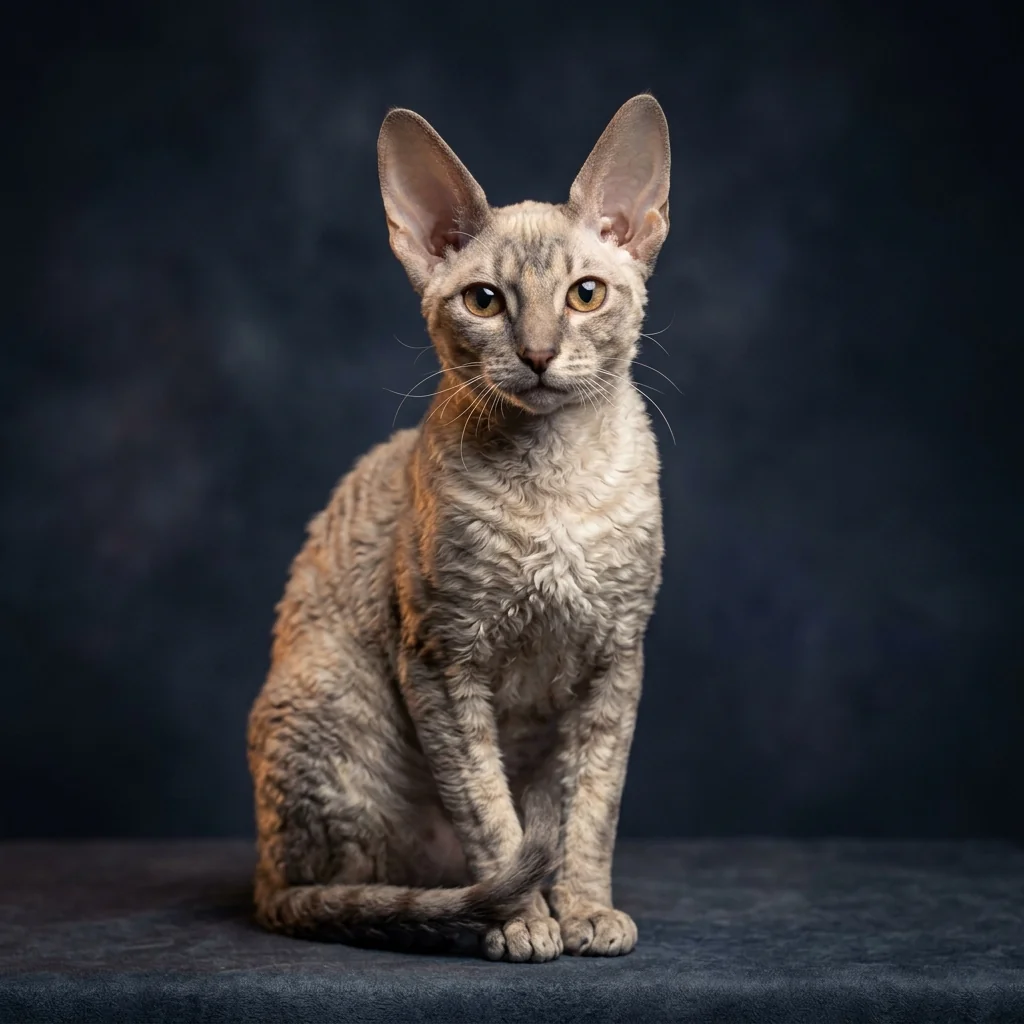
The Cornish Rex is an enchanting breed often dubbed the ‘pixie of the cat fancy’ thanks to its tight, marcel-waved coat, large bat-like ears, and slender greyhound-like silhouette. Because they possess only a soft down undercoat with no guard hairs, shedding is minimal. However, without outer fur to absorb natural skin sebum, oils quickly accumulate on their skin fold, ears, and paw pads. Additionally, their minimal body fat makes them highly sensitive to cold temperatures, while their boundless, kitten-like energy drives them to perform high-flying acrobatic jumps. In this guide, decodes Cornish Rex behavioral signals and presents a 3-step daily homecare routine for skin oil hygiene, thermal warmth, and high-energy vertical enrichment.
Veterinary & Behavioral Evidence
This content is based on Cat Fanciers' Association (CFA) Breed Standards and International Society of Feline Medicine (ISFM) Clinical Guidelines.
 FreshSelf
Keep pet food and supplements perfectly fresh!
FreshSelf
Keep pet food and supplements perfectly fresh!









1. Cornish Rex Instincts: Shoulder Riding and Warm Nest Burrowing
Cornish Rex Instincts: Shoulder Riding and Warm Nest Burrowing
Cornish Rexes are exceptionally social and athletic, frequently climbing onto their human's shoulders to express affection and gain a high vantage point. Due to their low cold tolerance, they naturally seek out heat sources—burrowing under blankets, nesting on warm laptops, or curling up in sunny spots to conserve body heat.
2. Cornish Rex’s Body Language & Behavioral Signals
Shoulder Riding & Loud Purring
A display of deep affection, curiosity, and high athletic drive to explore elevated perches alongside their human.
Support their body securely, pet them gently, and provide high cat trees and wall shelves to satisfy their vertical climbing drive.
Tightly Curled Body & Blanket Burrowing
An indicator that the cat is feeling cold due to their thin coat, seeking to conserve core body temperature.
Increase ambient room temperature (22–24°C / 72–75°F), dress them in a soft cat sweater, and offer a heated bed.
3. Customized 3-Step Home Care Routine for Cornish Rex
Morning: Skin Fold & Ear Oil Wipe-down & Thermal Apparel Fitting
Wipe sebum buildup from chin, ears, and between toes with alcohol-free pet wipes, and dress them in a comfortable cat sweater during cooler seasons.
Afternoon: Multi-Level Cat Tree & Sunny Basking Nook Setup
Provide tall cat trees to accommodate their jumping ability, and place cozy padded hammocks in sunny window spots for warm resting.
Evening: High-Energy Interactive Wand Play & Regular Warm Bathing
Engage in energetic feather wand play to burn off surplus energy, and conduct gentle warm baths every 2–4 weeks to cleanse skin oil.
📌 Frequently Asked Questions (FAQ)
Since Cornish Rexes have very short hair, do they still need regular baths? ▼
Yes, absolutely. Because they lack guard hairs, natural skin oils cannot be absorbed by fur and remain on the skin, becoming greasy and causing odor or seborrheic dermatitis. Bathing them every 2–4 weeks with a gentle, moisturizing cat shampoo keeps their skin healthy and clean.
How should I keep my Cornish Rex warm during cold winter months? ▼
Cornish Rexes are very sensitive to drafty, cold air. Keep indoor temperatures between 22–24°C (72–75°F), provide soft fleece sweaters, and offer heated cat beds or micro-fleece burrow nests away from chilly windows.