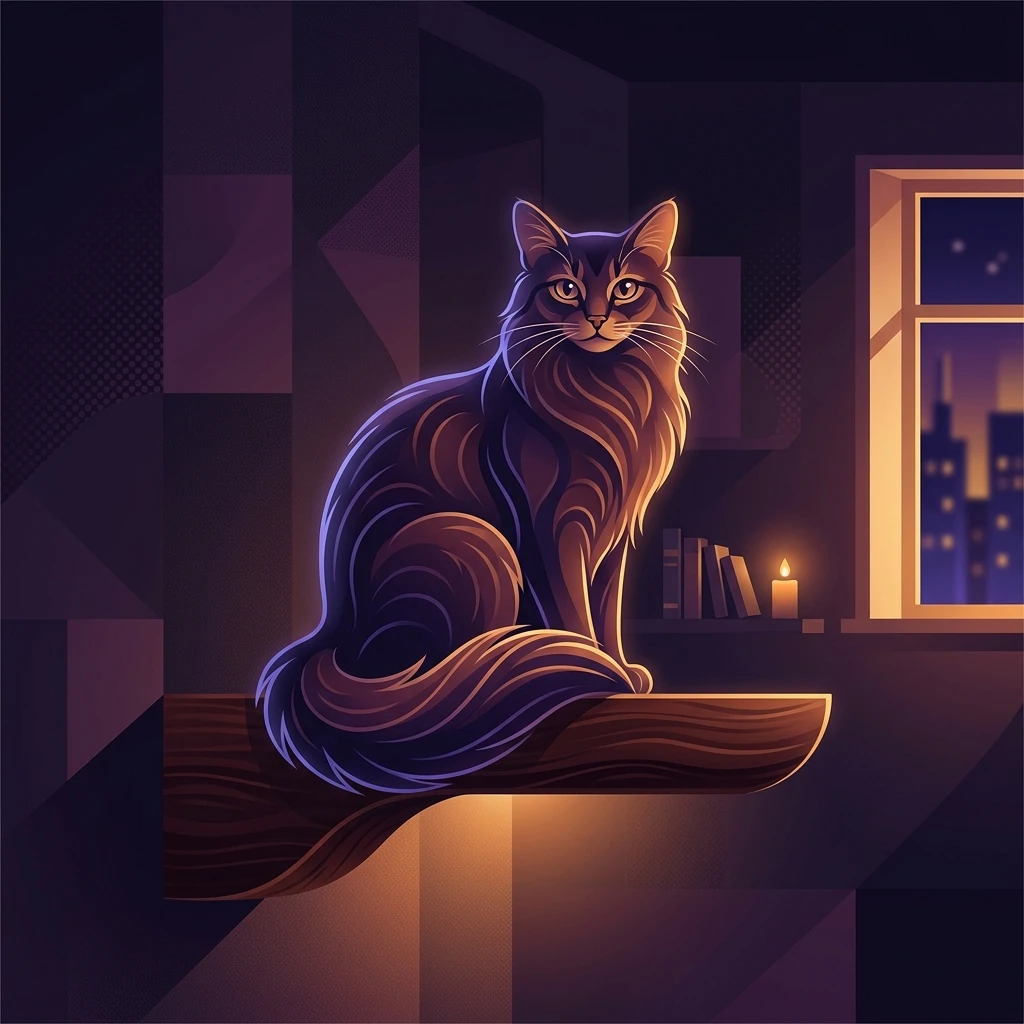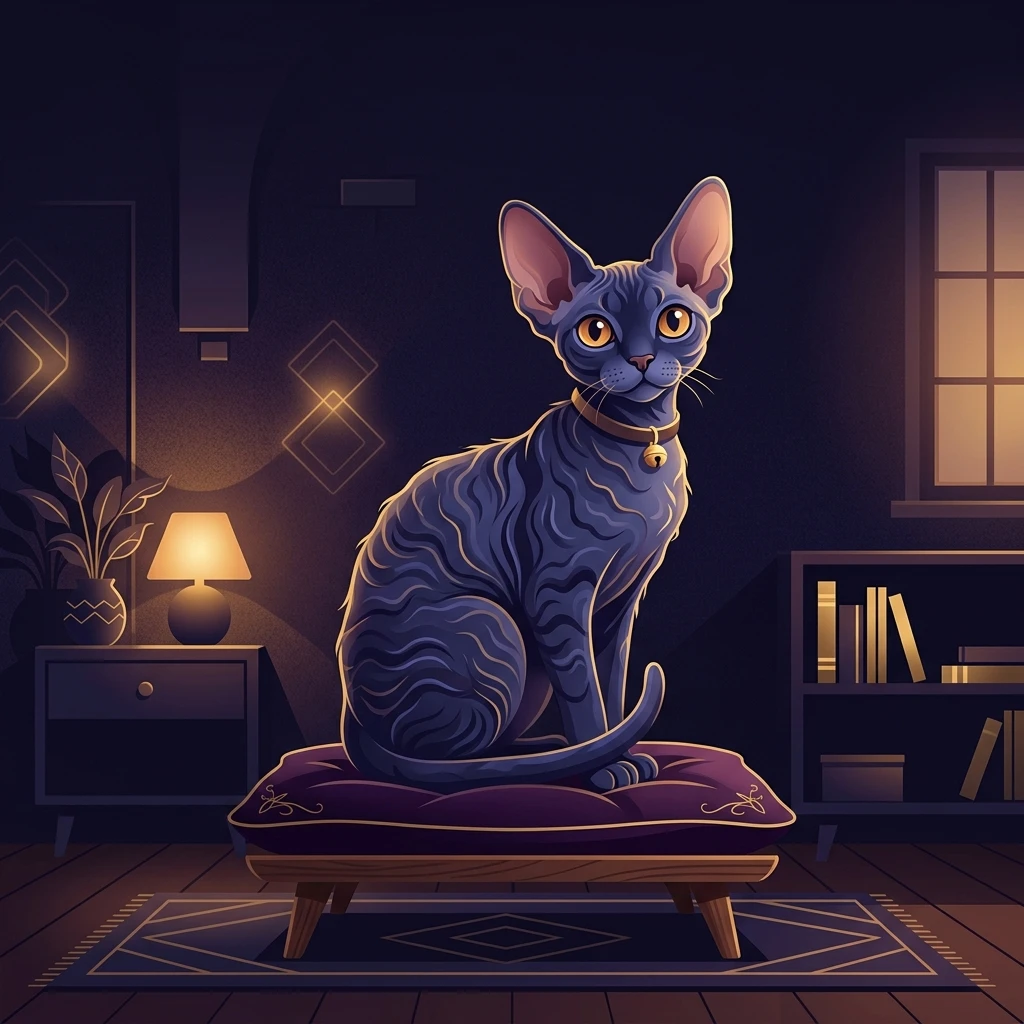
Often described as a ‘pixie in a cat suit,’ the Devon Rex is a beloved small-to-medium cat famed for its oversized ears, large expressive eyes, and soft, rippled wavy coat. Renowned for their dog-like devotion and habit of perching on their owners’ shoulders, Devon Rexes are delightful companions. However, their delicate single coat makes them poorly insulated and highly sensitive to cold ambient temperatures. Furthermore, they are prone to oily skin secretions leading to Malassezia yeast dermatitis, and carry genetic risks for Devon Rex Myopathy (Spasticity) and Hypertrophic Cardiomyopathy (HCM). In this guide, presents a 3-step daily care routine to decode your Devon Rex’s body language and safeguard its health.
Veterinary & Behavioral Evidence
This content is based on The International Cat Association (TICA) & Cat Fanciers' Association (CFA) Care Standards.
 FreshSelf
Keep pet food and supplements perfectly fresh!
FreshSelf
Keep pet food and supplements perfectly fresh!







1. Devon Rex Body Language: Shoulder Riding and Tail Twitching (Overstimulation)
Devon Rex Body Language: Shoulder Riding and Tail Twitching (Overstimulation)
Devon Rexes signal trust, warmth-seeking, and emotional saturation through physical positioning and tail expressions. Climbing onto an owner's shoulder and nuzzling their neck 'Shoulder Riding' is a signature display of absolute trust, affectionate bonding, and warmth seeking. Conversely, rapidly twitching the tip of their tail while flicking ears sideways 'Tail Twitching / Overstimulation' is an explicit signal that tactile or play stimulation has exceeded comfortable limits.
2. Devon Rex’s Body Language & Behavioral Signals
Climbing onto Owner's Shoulder, Nuzzling Neck and Cheeks (Shoulder Riding / Cheeking)
A signature Devon Rex affection display demonstrating deep attachment, warmth sharing, and supreme trust.
Support their body safely, speak in a gentle tone, and enjoy the close physical bonding.
Rapidly Twitching Tail Tip Side-to-Side with Sideways Ear Flicking (Tail Twitching / Overstimulation)
Signals sensory overload from excessive handling or intense play, requiring emotional reset time.
Pause play or petting immediately, giving them quiet personal space to calm down.
3. Customized 3-Step Home Care Routine for Devon Rex
Morning: Skin Fold & Ear Sebum Hygiene (Malassezia Prevention) & Hydrating Wet Food
Wipe oily skin folds, paws, and ear canals with warm damp cloths to prevent yeast dermatitis, feeding moisture-rich wet food for renal and cardiac health.
Afternoon: Climate Control for Warmth (22–25°C) & High-Vertical Cat Tree Exploration
Maintain a warm room temperature (22–25°C) due to their low insulation single coat, engaging their high IQ with vertical climbing games.
Evening: Soft Glove Grooming & Warm Sleeping Quarter Setup
Use soft cotton gloves rather than stiff brushes to wipe loose fur without damaging delicate curls, providing heated beds or blankets for night rest.
📌 Frequently Asked Questions (FAQ)
Are Devon Rex cats completely hypoallergenic for people with cat allergies? ▼
Not completely! While Devon Rexes shed very little hair due to their soft single coat—reducing airborne dander—they still produce the Fel d 1 allergen protein in their saliva and sebaceous glands. People sensitive to Fel d 1 may still experience allergic reactions, so direct interaction before adoption is strongly advised.
How should I manage Devon Rex Myopathy and Malassezia skin infections? ▼
Devon Rex Myopathy (Spasticity) is a hereditary muscle disorder causing head drop and gait abnormalities; ensure parental genetic clearance upon adoption. To control Malassezia yeast overgrowth caused by excess skin sebum, establish a routine of cleaning ears, toes, and facial skin folds with gentle, vet-approved wipes.