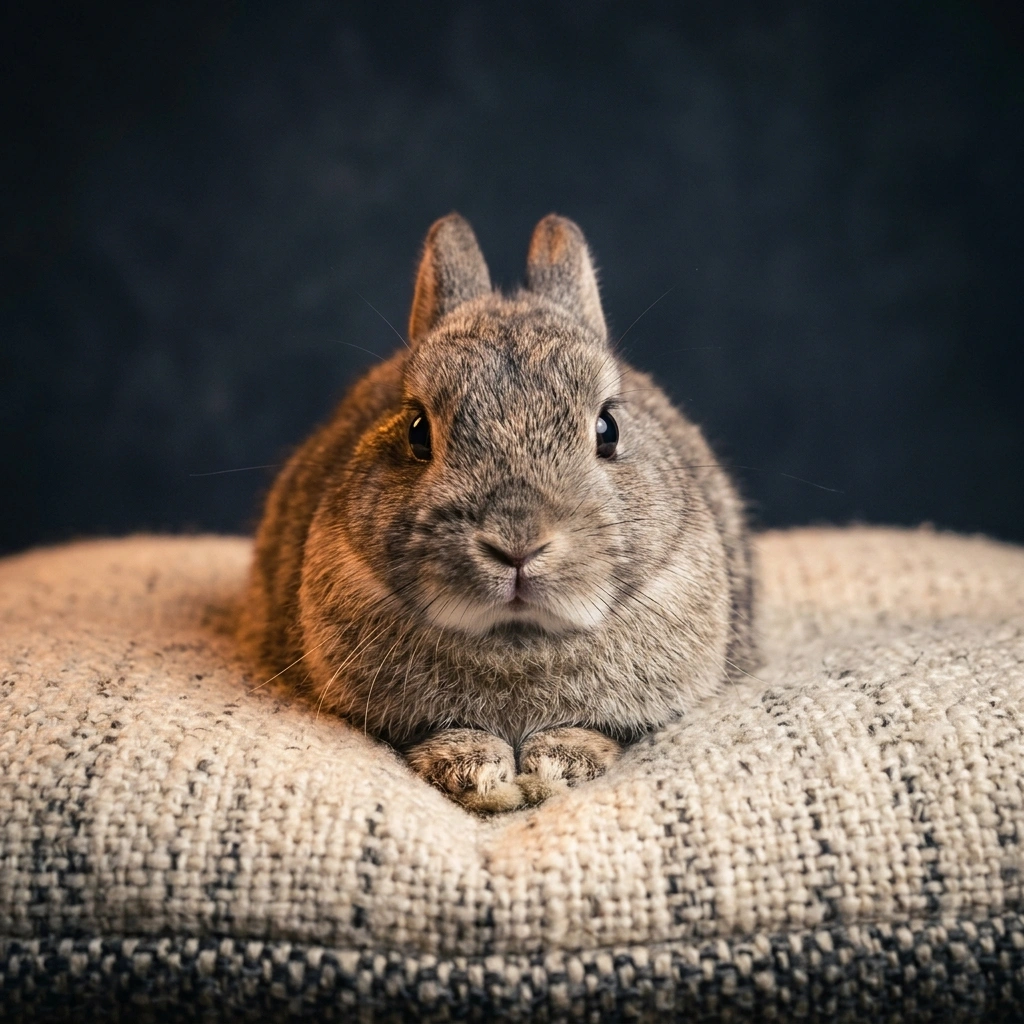
With tiny ears and a compact round body, the Netherland Dwarf Rabbit is globally cherished. However, their small size makes them easily frightened and highly sensitive to environmental changes. If fiber intake is insufficient, they are extremely prone to life-threatening issues like GI Stasis. When anxious or threatened, they thump their hind legs as a strong warning sign. In this guide, analyzes dwarf rabbit thumping behaviors and shares a 3-step homecare routine for digestive health and nail safety.
Veterinary & Behavioral Evidence
This content is based on House Rabbit Society Medical Guidelines and Small Animal Veterinary Standards.
 FreshSelf
Keep pet food and supplements perfectly fresh!
FreshSelf
Keep pet food and supplements perfectly fresh!








1. Dwarf Rabbit Emotional Expression: Thumping and Teeth Purring
Dwarf Rabbit Emotional Expression: Thumping and Teeth Purring
Netherland Dwarf Rabbits thump their hind legs loudly—a behavior known as 'Thumping'—to warn others of danger or express deep frustration and anger. Conversely, when relaxed and happy, they slide their teeth to produce a soft clicking vibration called 'Teeth Purring'. Recognizing these emotional signals ensures a happy, healthy bond with your companion.
2. Netherland Dwarf Rabbit (Oryctolagus cuniculus)‘s Body Language & Behavioral Signals
Hind Leg Thumping (Thumping)
A firm warning notifying others of danger or expressing severe anger, distress, and refusal.
Identify the stressor, block sudden noises or other pets, and observe quietly from a distance until they feel safe.
Teeth Purring & Jaw Vibration (Teeth Purring)
A sign of deep joy, relaxation, and safety—similar to a cat's purring—often experienced during gentle petting.
Gently massage their forehead and the base of their ears to deepen the emotional connection.
3. Customized 3-Step Home Care Routine for Netherland Dwarf Rabbit (Oryctolagus cuniculus)
Morning: High-Fiber Timothy Hay Setup & Fresh Water Supply
For proper dental wear and active gut motility, fill the rack with fresh dust-free Timothy hay early in the morning, and thoroughly clean the water bowl to supply fresh drinking water.
Afternoon: Litter Box Cleaning & Sore Hock Inspection
Clean the litter tray for proper hygiene, and inspect their foot pads and floor mats to prevent sore hocks (pododermatitis) caused by hard or slippery surfaces.
Evening: Chew Wood Inspection & Regular Nail Length Check
Provide fresh apple wood chew sticks during their active evening hours, and regularly check nail length to prevent snagging injuries or furniture damage.
📌 Frequently Asked Questions (FAQ)
Should I bathe my rabbit with water? ▼
No. Rabbits have thin, delicate skin, and getting wet causes extreme hypothermia or fatal shock as they lose thermoregulation. They keep themselves clean via grooming. Only spot-clean soiled areas gently with a damp towel.
What should I do if my rabbit's feces shrink or they stop eating? ▼
A sudden loss of appetite for hay or tiny droppings are early warning signs of GI Stasis. Because a herbivore's stopped gut can become fatal rapidly, contact a specialized rabbit veterinarian immediately.