Have you ever bought fresh carrots only to find them turn limp, rubbery, or covered in dark soft spots after a few days in the fridge? 🥕
Carrots are moisture-rich root vegetables that react sensitively to external humidity and ethylene gas. Poor storage conditions cause moisture to evaporate—making the carrots wilted and soft—or trigger chemical reactions that produce a bitter taste.
In this guide, shares a scientifically proven 3-step storage guide based on research from the USDA and RDA to prevent bitterness, retain moisture, and keep your carrots perfectly crisp for over 3 weeks. 🛡️
Food Safety & Scientific Evidence
This content is based on RDA & USDA & MFDS.
 FreshSelf
Zero waste! Your smart storage assistant
FreshSelf
Zero waste! Your smart storage assistant

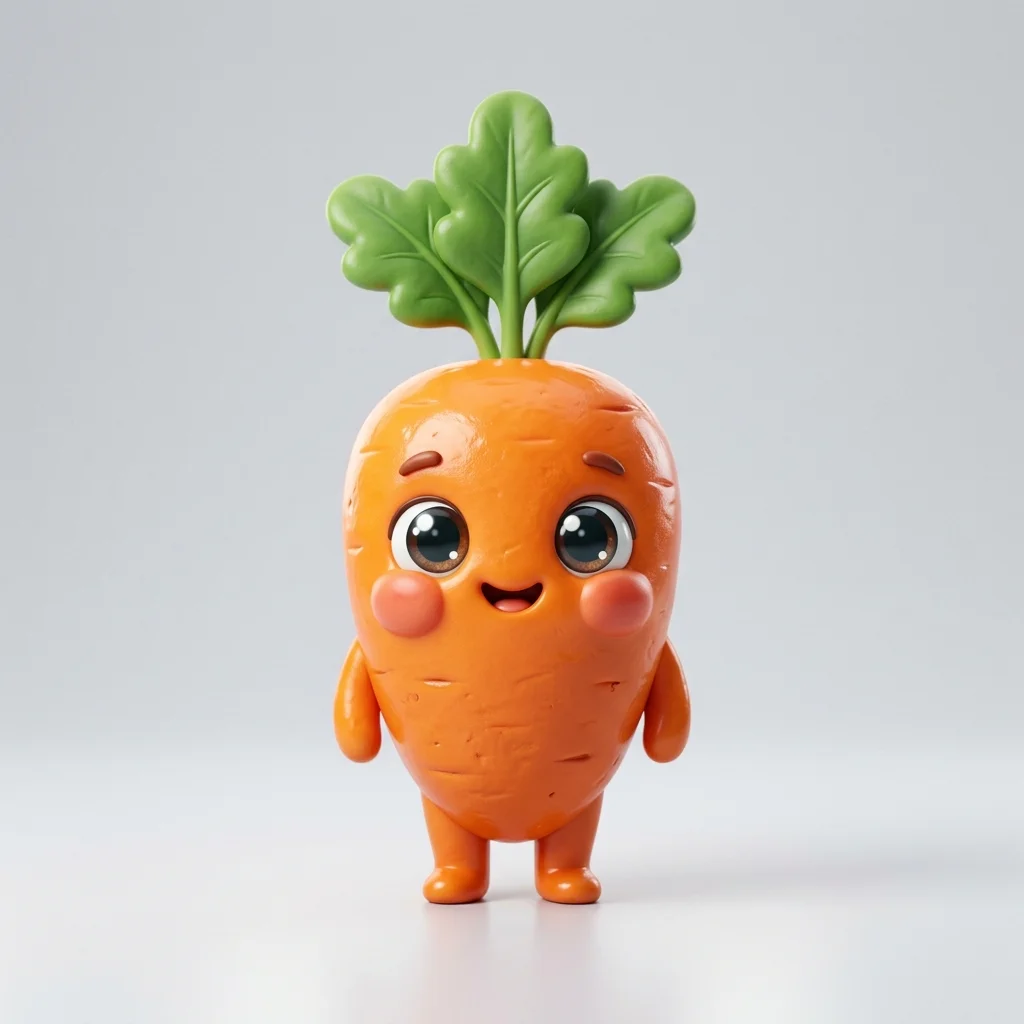

1. Scientifically Proven Storage Guide
Dry surface moisture completely — Prevent Excess Moisture & Rot 📦
Trapped moisture on carrot skin causes rapid mold growth and bacterial soft rot. 💡 Storage Tip: Keep muddy unwashed carrots unwashed and dry any surface moisture in a cool, shady area. For pre-washed carrots, thoroughly pat them dry with paper towels before storing to maximize shelf life.
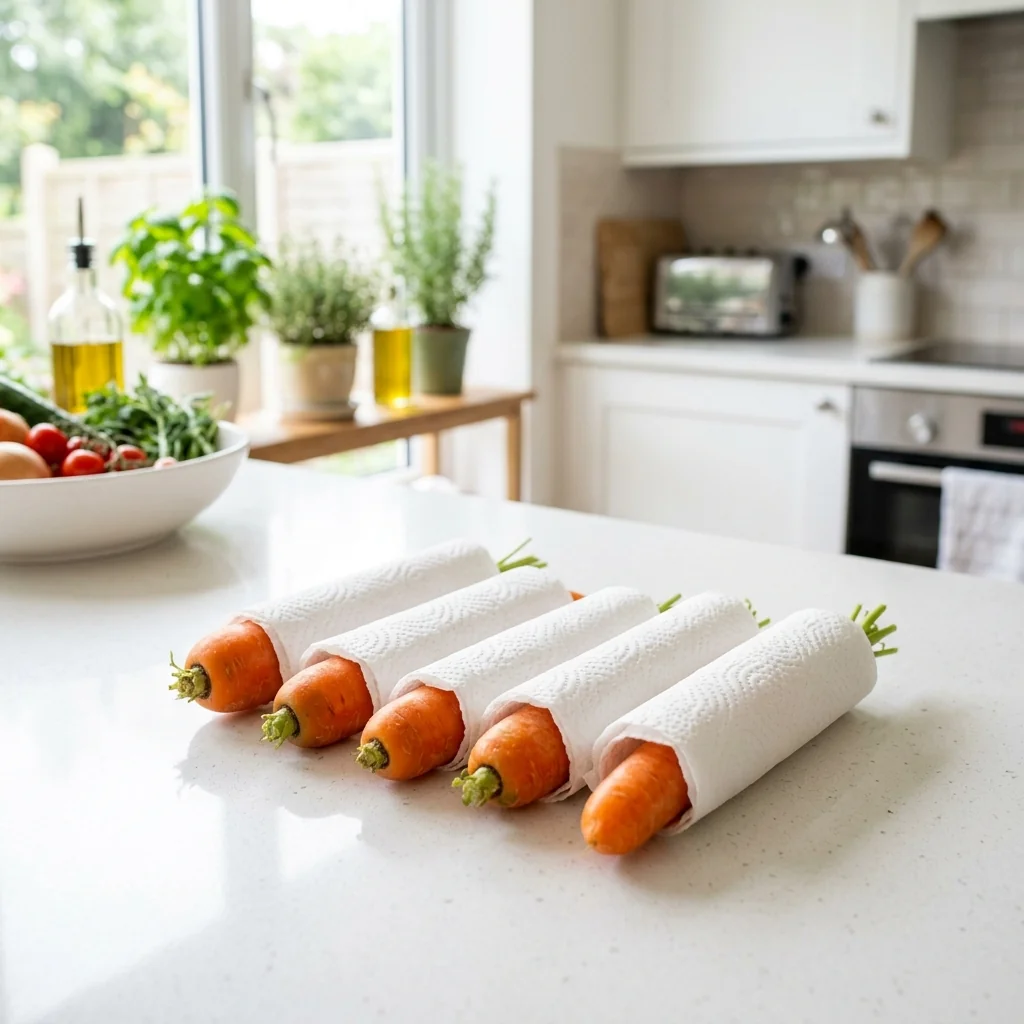
Wrap individually in paper towels or newspaper — Moisture Balance 📰
Storing carrots piled together creates condensation at contact points, causing decay. 💡 Storage Tip: Wrap each dried carrot individually in paper towels or newspaper. The paper acts as a moisture regulator—absorbing excess humidity inside the fridge while preventing the carrot's inner moisture from evaporating.
Store vertically in a Ziploc bag — Vertical Cold Storage (21 Days) ❄️
Storing carrots horizontally induces gravitropic stress, causing them to expend energy trying to bend upward and lose crispness. 💡 Storage Tip: Place wrapped carrots into a sealed Ziploc bag and stand them vertically in the refrigerator crisper drawer (0–4°C) with the stem end facing up, mimicking their natural growing position.
2. Essential Storage Rules and Cautions
Storing carrots near ethylene-emitting produce like apples, pears, or bananas triggers a phenolic pathway that converts natural sugars in the carrot into 'isocoumarin', a bitter organic compound. Always seal and isolate carrots.
If green leafy carrot tops remain attached, they continue to draw water, vitamins, and reserves from the root post-harvest. This quickly leaves the carrot soft, fibrous, and hollow inside. Slice off the green tops immediately after purchase.
📌 Frequently Asked Questions (FAQ)
Why do carrots sometimes taste bitter, and how can I prevent it? ▼
Carrots taste bitter when exposed to ethylene gas, which triggers the formation of 'isocoumarin'. This occurs when stored near ethylene producers like apples or stored at warm temperatures. Keep carrots sealed in a Ziploc bag away from ethylene sources and store at 0–4°C to prevent bitterness.
What is the difference between storing unwashed (muddy) carrots vs. pre-washed carrots? ▼
Unwashed carrots with natural soil intact can last up to 1–2 months when green tops are trimmed and they are wrapped in newspaper. Pre-washed carrots have lost their protective outer layer and dry out faster; patting them completely dry and wrapping them individually in paper towels preserves them for about 2–3 weeks.