Have you ever refrigerated opened coconut water only to find it turned pinkish or brownish, or developed a fizzy, sour taste? 🥥
Coconut water naturally contains polyphenol compounds and active enzymes. Once opened and exposed to atmospheric oxygen, polyphenol oxidase (PPO) enzymes trigger rapid oxidative discoloration. Furthermore, contamination by wild yeasts and bacteria quickly initiates spoilage and unwanted natural fermentation (carbonation).
In this guide, based on official guidelines from the USDA and FDA, we share a 3-step scientific storage method to preserve the clean taste and nutrients of coconut water. 🛡️
Food Safety & Scientific Evidence
This content is based on USDA & MFDS & FDA.
 FreshSelf
Zero waste! Your smart storage assistant
FreshSelf
Zero waste! Your smart storage assistant



1. Scientifically Proven Storage Guide
Store unopened packages in a cool, dark pantry — Room Temp Storage (12 Months) 📦
Unopened commercially processed coconut water is shelf-stable at room temperature. 💡 Storage Tip: Keep unopened containers in a cool, dark pantry (15–20°C / 59–68°F) away from direct sunlight to maintain quality for up to 12 months.
Refrigerate below 4°C immediately after opening — Cold Airtight Storage (24–48 Hours) ❄️
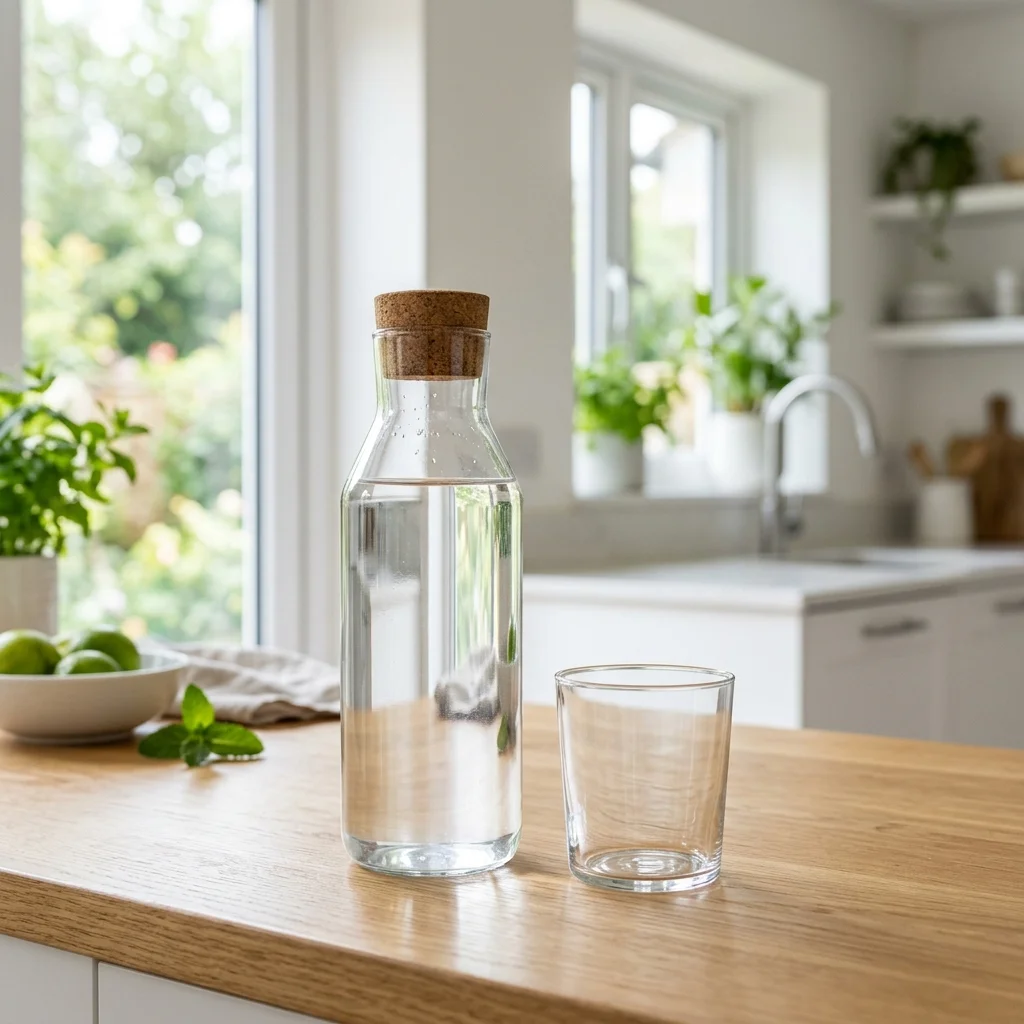
Oxidation and microbial growth begin the moment the package is opened. 💡 Storage Tip: Transfer leftover coconut water into a small, airtight glass bottle to minimize air contact, refrigerate at 0–4°C (32–39°F), and consume within 1 to 2 days.
Freeze leftover coconut water in ice cube trays for long-term storage — Ice Cube Freezing (60–90 Days) 🧊
Freezing is the best method if you cannot consume opened coconut water within two days. 💡 Storage Tip: Pour coconut water into ice cube trays, freeze, and transfer the cubes to an airtight freezer bag. Add directly to smoothies or beverages without loss of flavor.
2. Essential Storage Rules and Cautions
Leaving opened coconut water at room temperature causes rapid microbial multiplication within hours. Even under refrigeration, yeasts cause sour fermentation and carbonation after 24–48 hours, making prompt consumption essential.
The more oxygen present in the container, the faster PPO enzymes oxidize polyphenols, turning the liquid pinkish or brown. Fill a small airtight container to the top to minimize air contact.
📌 Frequently Asked Questions (FAQ)
My opened coconut water turned pink. Is it still safe to drink? ▼
Pink discoloration is a natural oxidation reaction caused when polyphenol oxidase (PPO) enzymes react with oxygen. While the pink color itself is not toxic, it signals that oxidation and fermentation are underway. If it smells sour or tastes fizzy, it should be discarded.
Why must opened coconut water be consumed within 24 to 48 hours? ▼
Coconut water is rich in sugars and minerals with low acidity, making it an ideal breeding ground for wild yeasts and bacteria once exposed to air. Even below 4°C, fermentation, carbonation, and flavor breakdown accelerate after 48 hours.