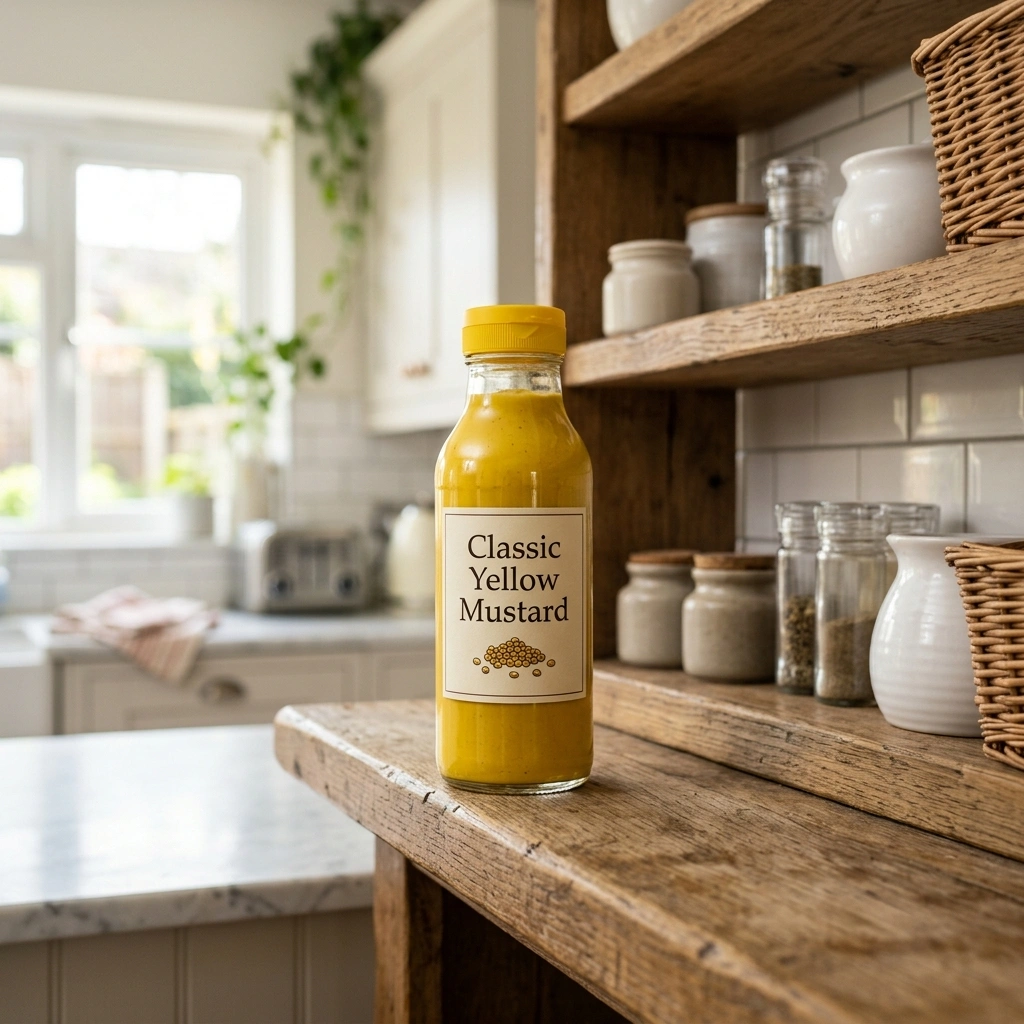
Have you ever opened a can of sweet condensed milk, left it in the fridge, and later found it discolored, crystallized, or spoiled? 🥛
Although sweetened condensed milk has a long shelf life due to its reduced moisture and high sugar content, exposure to air after opening leads to metal can corrosion, odor absorption, sugar crystallization, and mold risk. Transferring canned condensed milk to an airtight container immediately after opening is the key to preserving freshness.
In this guide, introduces a scientifically proven 3-step condensed milk storage guide based on safety guidelines from the USDA, FDA, and MFDS to keep your condensed milk smooth, sweet, and safe. 🛡️
Food Safety & Scientific Evidence
This content is based on USDA & FDA & MFDS.
 FreshSelf
Zero waste! Your smart storage assistant
FreshSelf
Zero waste! Your smart storage assistant









1. Scientifically Proven Storage Guide
Store unopened cans or tubes in a cool pantry — Room Temperature (Up to 1 Year) 📦
Unopened canned or tube condensed milk is heat-sterilized and shelf-stable. 💡 Storage Tip: Keep unopened containers in a cool, dry pantry (15–20°C / 59–68°F) away from direct sunlight and stove heat for up to 1 year.
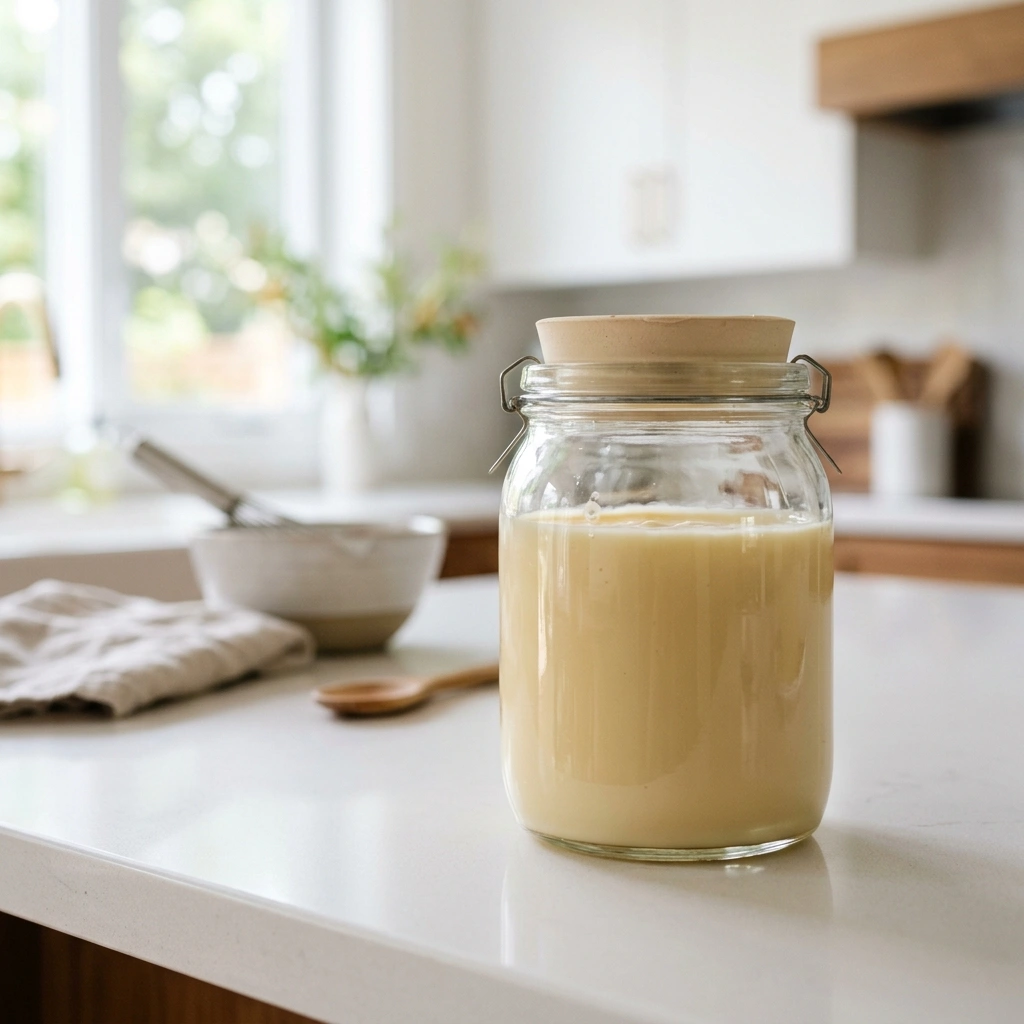
Transfer canned milk to a clean glass airtight container — Prevent Metallic Odors & Oxidation 🫙
Canned condensed milk begins to oxidize once exposed to air. 💡 Storage Tip: Immediately after opening, pour the remaining milk into a sanitized glass jar or airtight food container and seal tightly to prevent metallic flavor transfer.
Refrigerate at 0–4°C — Cold Storage (2–3 Weeks) ❄️
Opened condensed milk must be kept cold despite its sugar content to prevent spoilage. 💡 Storage Tip: Keep tightly sealed in the refrigerator (0–4°C / 32–39°F) and consume within 2 to 3 weeks for optimal flavor and safety.
2. Essential Storage Rules and Cautions
Refrigerating open canned condensed milk exposes the metal lining to oxygen, causing corrosion and leaching a metallic flavor into the milk. Always transfer it immediately to a clean glass jar or food-grade airtight container.
While high sugar suppresses bacterial growth, introducing moisture or food crumbs raises local water activity and allows mold to develop. Always use a clean, completely dry spoon.
📌 Frequently Asked Questions (FAQ)
My stored condensed milk developed sugar crystals and turned darker. Is it still safe to use? ▼
Yes, it is safe. Cold temperatures cause supersaturated sugar to crystallize, and a natural Maillard reaction can cause slight darkening over time. As long as there is no mold or off-odor, you can warm it gently in a hot water bath to dissolve crystals.
Can condensed milk be frozen? ▼
Due to its high sugar content, sweetened condensed milk will not freeze completely solid in a standard home freezer (-18°C), remaining gooey and thick. However, freezing can cause fat separation or heavy crystallization, so refrigeration (2–3 weeks) is recommended.