Have you ever stored a bag of flour in your pantry for a few months, only to find it clumpy, stale, or infested with weevils and pantry bugs? 🌾
While flour has a low moisture content (11–14%) and seems dry, it is a porous ingredient that easily absorbs ambient moisture and odors like a sponge. Exposure to humidity causes clumping and mold growth, while making it a prime target for grain pests.
In this guide, introduces a scientifically proven 3-step storage guide recommended by the USDA and food safety authorities to keep your flour fresh and high quality for months. 🛡️
Food Safety & Scientific Evidence
This content is based on USDA & MFDS.
 FreshSelf
Zero waste! Your smart storage assistant
FreshSelf
Zero waste! Your smart storage assistant









1. Scientifically Proven Storage Guide
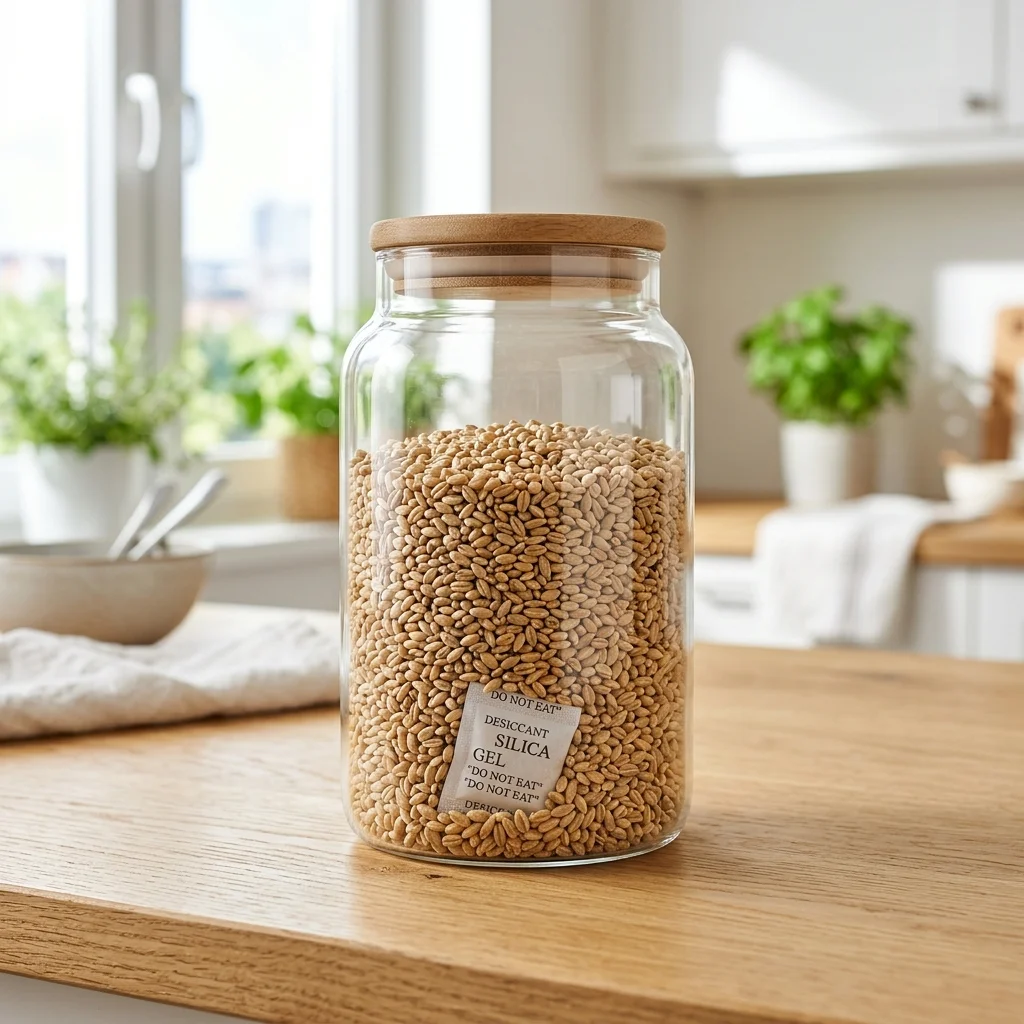
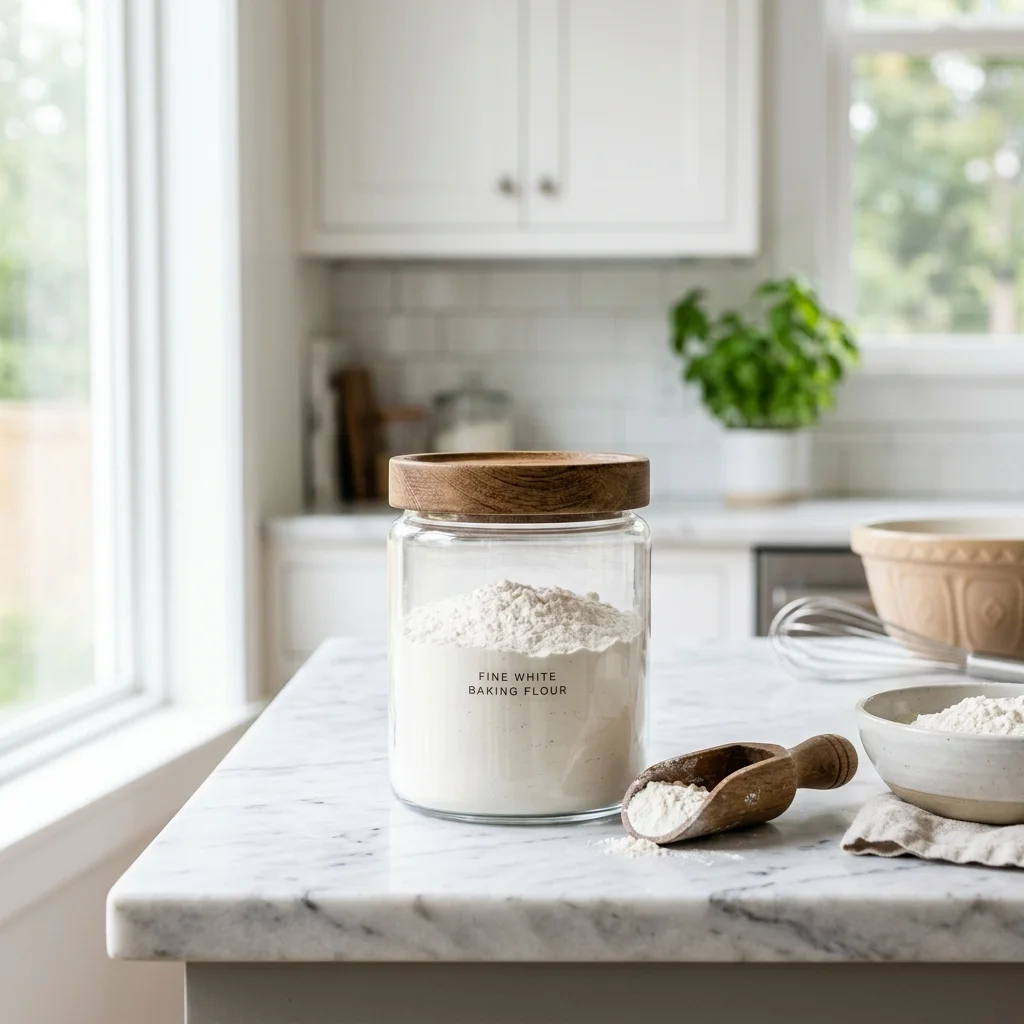
Transfer to an airtight container or glass jar — Complete Moisture & Pest Barrier 📦
The key to storing flour is completely blocking air, moisture, and pests. 💡 Storage Tip: Pour opened flour into a glass jar or airtight plastic container with a rubber seal and lock the lid tightly.
Store in a cool, dark pantry at 15–20°C — Optimal Room Temperature Storage (6–12 Months) ☀️
Stable, well-ventilated conditions are best for flour storage. 💡 Storage Tip: Keep containers in a dark pantry or cupboard away from direct sunlight (15–20°C / 59–68°F). (Whole wheat flour, however, should be refrigerated due to higher fat content.)
Freeze for long-term storage or during summer — Extended Frozen Storage (1+ Years) ❄️
During hot, humid summers or for bulk storage, freezing is the safest method. 💡 Storage Tip: Seal securely in a Ziploc bag and freeze below -18°C (-0.4°F). Bring to room temperature completely before use to prevent condensation clumping.
2. Essential Storage Rules and Cautions
Paper bags and thin packaging are easily penetrated by pantry pest larvae and absorb moisture from the air, causing clumping and mold. Always transfer flour to an airtight container after opening.
High humidity and heat accelerate flour degradation and create optimal conditions for pest breeding. Always store it in a cool, dry environment.
📌 Frequently Asked Questions (FAQ)
I found weevils/bugs in my flour. What should I do? ▼
If grain pests are present, it is safest to discard the flour. To prevent pests, transfer flour to an airtight container immediately after purchase, or freeze it for 24–48 hours to kill any eggs.
Is storage different for whole wheat flour compared to all-purpose flour? ▼
Yes. Whole wheat flour contains the germ and bran, which are rich in natural oils that go rancid much faster than all-purpose flour. Therefore, whole wheat flour should preferably be refrigerated or frozen after opening.