Have you ever bought lamb for its rich flavor and tender texture, only to worry about it darkening quickly or developing a strong odor in the fridge? 🥩
Lamb is high in protein and moisture, making it particularly vulnerable to bacterial growth and lipid oxidation. Improper storage leads to stronger unpleasant odors and drip loss (loss of meat juices), significantly degrading its flavor and nutrition.
In this guide, introduces a scientifically proven 3-step storage guide based on safety guidelines from the USDA and MFDS to keep your lamb juicy, flavorful, and fresh for longer. 🛡️
Food Safety & Scientific Evidence
This content is based on USDA & MFDS.
 FreshSelf
Zero waste! Your smart storage assistant
FreshSelf
Zero waste! Your smart storage assistant






1. Scientifically Proven Storage Guide
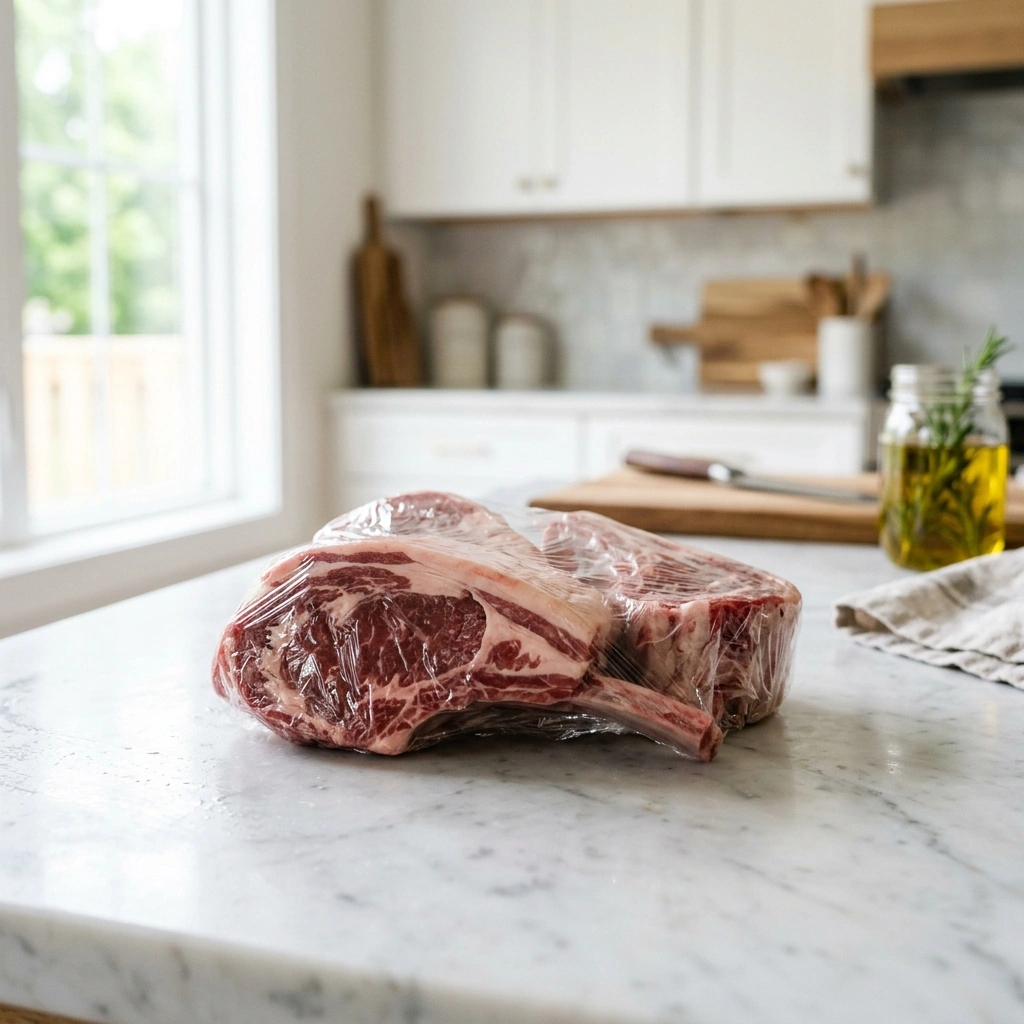
Pat dry and wrap tightly with plastic wrap — Wipe Juices & Block Oxygen 📦
Surface moisture and residual blood are primary causes of odors and spoilage, while oxygen exposure rapidly oxidizes fats. 💡 Storage Tip: Pat the surface dry with paper towels, then tightly wrap each cut individually with plastic wrap without leaving air pockets to prevent discoloration and moisture loss.
Refrigerate in the meat drawer at 0–2°C — Cold Storage (3–5 Days) ❄️
Higher temperatures dramatically accelerate microbial growth and meat degradation. 💡 Storage Tip: Keep lamb in the coldest part of the fridge or the dedicated meat drawer (0–2°C). Cook chops, steaks, and roasts within 3–5 days, and ground lamb within 1–2 days.
Double seal and freeze — Frozen Storage (4–9 Months) 🧊
For long-term storage, portion the wrapped meat into single meals and double seal in freezer Ziploc bags or vacuum bags. 💡 Storage Tip: Freeze below -18°C to maintain freshness for 4–9 months. Always thaw slowly in the refrigerator rather than at room temperature to minimize juice loss.
2. Essential Storage Rules and Cautions
Washing raw lamb causes water splatters that spread bacteria across your sink and surrounding food (cross-contamination). Additionally, excess surface moisture accelerates bacterial growth. Lightly pat the surface dry with paper towels instead.
Juices dripping from raw lamb can carry bacteria that cause cross-contamination. Place the meat in an airtight container on the lowest shelf of your refrigerator to prevent juices from dripping onto cooked foods or produce.
📌 Frequently Asked Questions (FAQ)
My lamb turned brownish or dark. Is it still safe to eat? ▼
When sealed without oxygen, myoglobin in meat naturally causes a brownish or dark discoloration. If the meat regains a bright red color within 15–30 minutes after exposure to air, it is completely safe. However, if it smells sour or feels slimy, it has spoiled and should be discarded.
What is the best way to thaw frozen lamb? ▼
The safest and best method is slow refrigeration, moving the meat to the fridge 12–24 hours before cooking. If you are in a rush, submerge the sealed meat in cold water. Avoid room temperature or hot water thawing, as these trigger rapid bacterial growth and heavy drip loss.