Somyeon, udon, fresh ramen, kalguksu… Asian noodles are beloved staple foods consumed by hundreds of millions worldwide! 🍜
Have you ever bought a large bundle of dried noodles only to find them stale from absorbing humidity or infested with pantry beetles? Or found your fresh udon molding in the pantry?
Asian noodles are split into ‘dried noodles’ (moisture below 14%) and ‘fresh/pre-cooked noodles’ (moisture 20–30%+). Because their water activity differs drastically, their storage methods are completely opposite. Dried noodles require airtight barriers against humidity and pantry pests, whereas fresh noodles require cold storage to halt rapid bacterial growth. In this guide, introduces a scientifically proven 3-step storage guide based on expert food safety standards to preserve flavor and texture across all noodle types. 🛡️
Food Safety & Scientific Evidence
This content is based on RDA & FDA & MFDS.
 FreshSelf
Zero waste! Your smart storage assistant
FreshSelf
Zero waste! Your smart storage assistant





1. Scientifically Proven Storage Guide
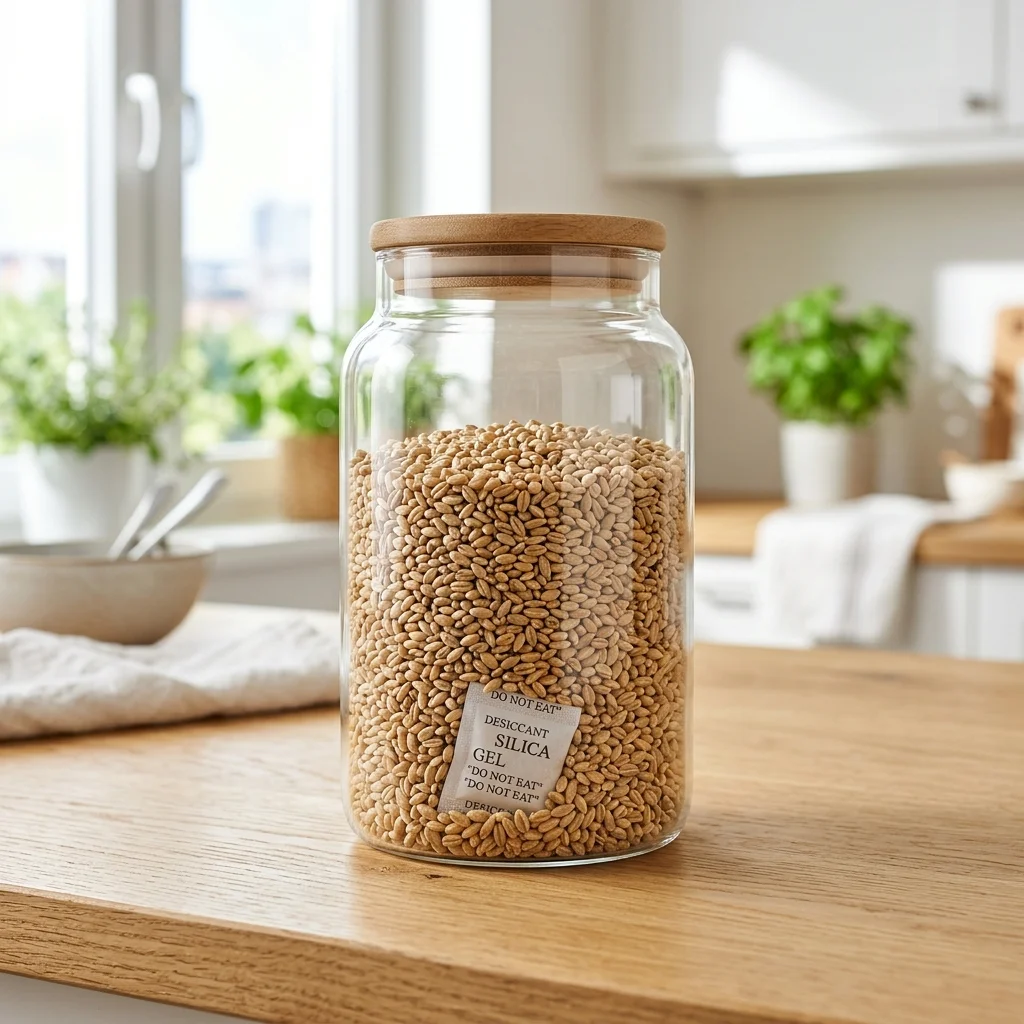
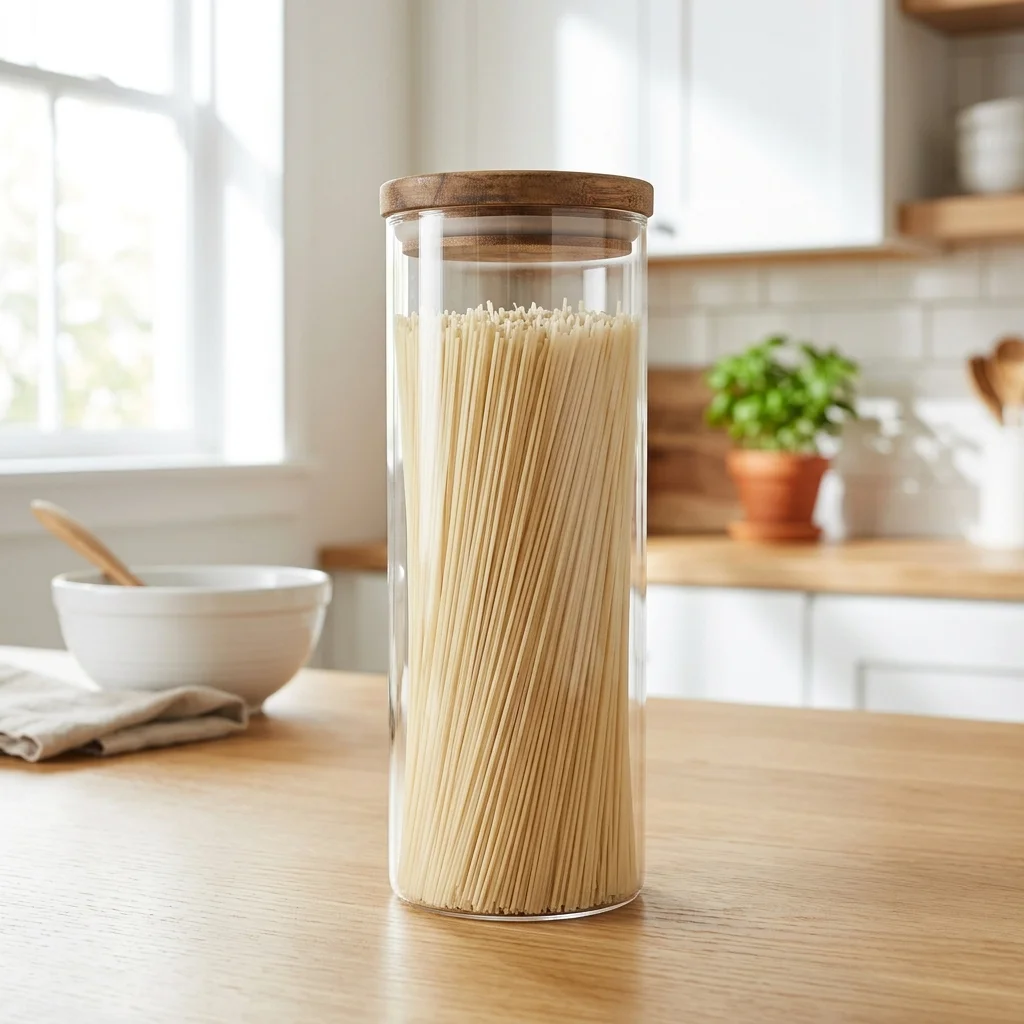
Seal dried noodles in airtight containers or plastic bottles — Humidity & Pest Barrier (1–2 Years) 📦
Leaving dried noodles in thin original plastic allows cigarette beetles or Indianmeal moth larvae to bore through the film and lay eggs. 💡 Storage Tip: Unpack dried noodles and store with a silica gel desiccant in tall airtight canisters, wide-mouth plastic bottles, or heavy-duty Ziploc bags. Store in a cool, dark pantry below 20°C (68°F) for 1 to 2 years pest-free.
Portion fresh or udon noodles into single servings and refrigerate — Cold Storage (7–14 Days) ❄️
Preventing moisture loss at low temperatures is key for fresh noodles. 💡 Storage Tip: Lightly dust 1-portion servings with starch, wrap tightly in plastic wrap or seal in airtight bags, and store in the refrigerator crisper drawer (0–4°C). Preserves elasticity and moisture for 1 to 2 weeks.
Freeze single-serving portions for long-term storage — Freezer Storage (3–6 Months) 🧊
For long-term storage of bulk fresh noodles or raw udon, portioned freezing is safest. 💡 Storage Tip: Wrap individual portions in plastic wrap, place in freezer Ziploc bags, and store at -18°C or lower. Boil directly from frozen without thawing to prevent the noodles from becoming soggy or breaking.
2. Essential Storage Rules and Cautions
Dried noodles are extremely dry and absorb surrounding moisture and strong odors (spices, detergents, etc.). High humidity turns them stale and moldy, while absorbed odors spoil the natural grain flavor when cooked.
Fresh noodles and raw udon have high moisture and neutral pH, making them ideal breeding grounds for bacteria and mold at room temperature. Once opened, store immediately under refrigeration or freezing.
📌 Frequently Asked Questions (FAQ)
I found tiny beetles (pantry pests) in my dried noodles. Can I sift them out, boil, and eat the noodles? ▼
No, absolutely not! Pests like drug store beetles or moth larvae bore deep inside dried noodle bundles, leaving droppings, larval webs, and cast skins. Even after boiling, heat-stable bacterial toxins or allergens remain, so discard the entire package immediately.
Should frozen fresh noodles or udon be thawed before boiling? ▼
No! Thawing frozen fresh noodles at room temperature causes surface condensation that absorbs into the starch, making the noodles sticky and mushy. Drop frozen noodles directly into boiling water without thawing, and wait for them to loosen naturally for the best chewy texture.