A staple spice in Hungarian, Spanish, Western, and global cuisines, adding vibrant color and rich flavor to goulash, BBQ rubs, and sauces! However, have you ever stored paprika powder only to find its signature bright red color faded to dull brown or turning bitter and clumpy? Red spice of flavor 🌶️
The primary compounds giving paprika powder its intense red hue and flavor are carotenoids: capsanthin and capsorubin. These molecules are extremely vulnerable to light, oxygen, and heat. Exposure to air or UV light causes rapid photo-oxidation, breaking down pigments and forming bitter byproducts. Exposure to moisture also triggers caking.
In this guide, we introduce a scientifically proven 3-step paprika powder storage guide based on official guidelines from food safety authorities to prevent carotenoid destruction and preserve color and flavor. 🛡️
Food Safety & Scientific Evidence
This content is based on RDA & FDA & MFDS.
 FreshSelf
Zero waste! Your smart storage assistant
FreshSelf
Zero waste! Your smart storage assistant









1. Scientifically Proven Storage Guide
Store in metal cans or dark amber/purple glass jars — Block Photo-Oxidation 📦
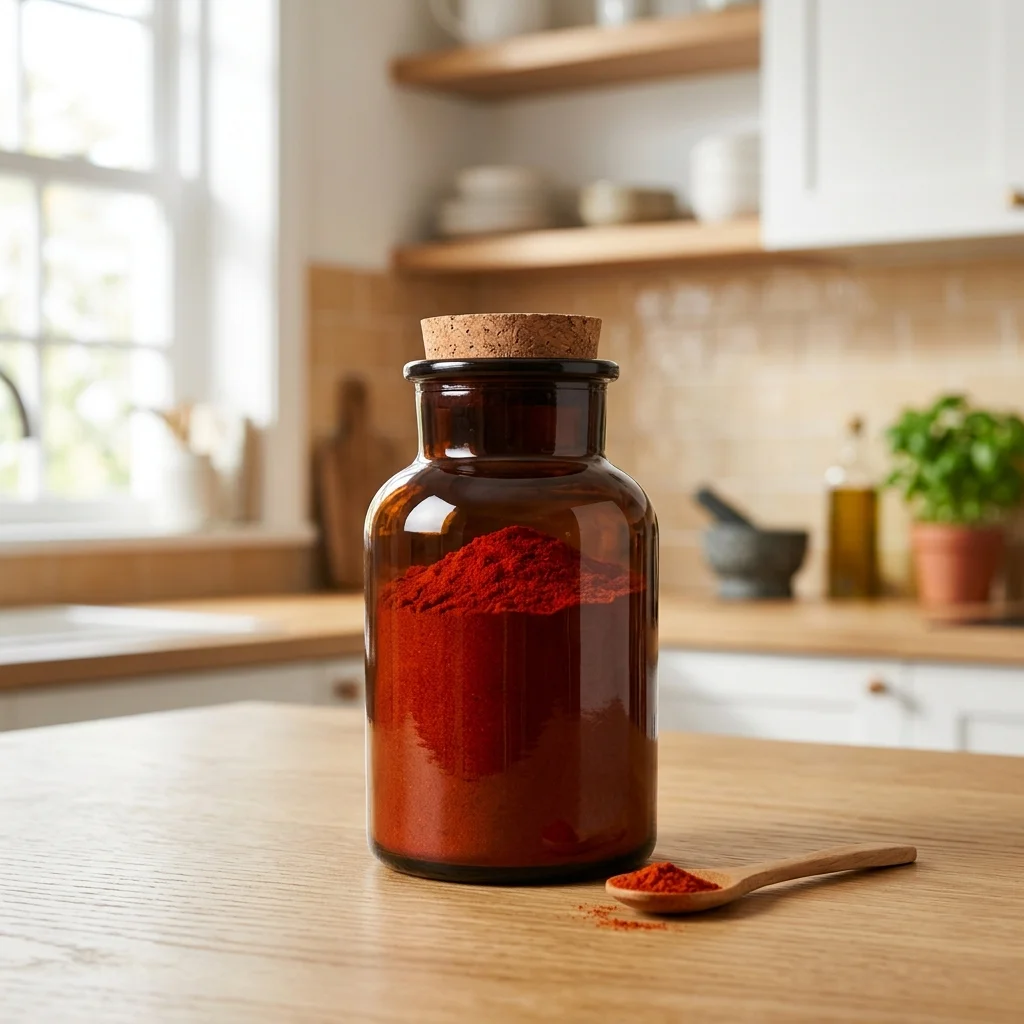
Preventing light and oxygen breakdown of capsanthin is paramount for paprika powder. 💡 Storage Tip: Keep powder in airtight metal cans or dark amber/purple glass jars. Clear containers allow light to rapidly bleach the red pigment and introduce bitter flavors.
Add silica gel and store in a cool, dark place below 15°C — Moisture Control & Cool Storage (1–2 Years) 🧺
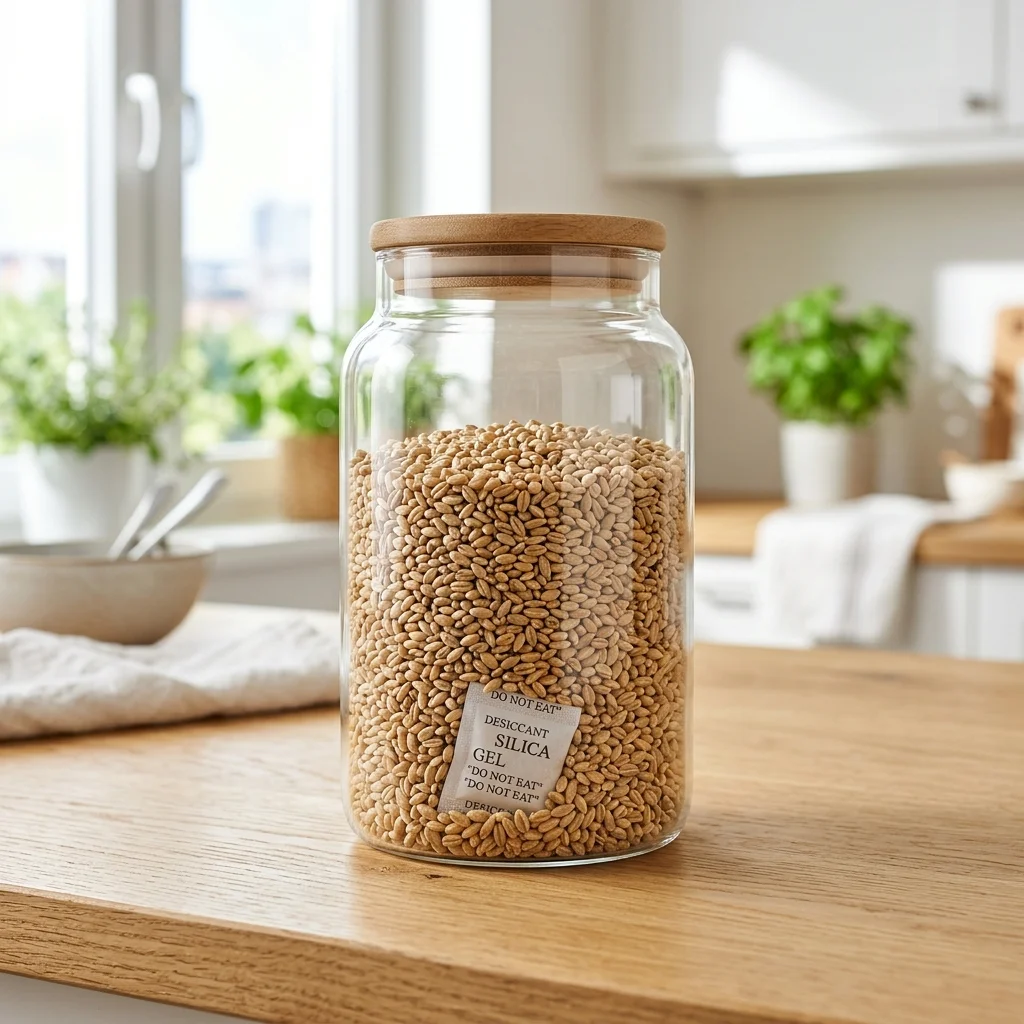
Insert a food-grade desiccant (silica gel) to prevent caking caused by humidity. 💡 Storage Tip: Keep containers in a dark, cool pantry below 15°C (59°F) away from stove heat. This preserves the bright color and sweet-savory flavor for 1 to 2 years without capsanthin loss.
Double-seal and refrigerate/freeze for long-term storage — Long-Term Storage (2+ Years) ❄️
If buying paprika powder in bulk or storing during humid summers, cold storage is highly effective. 💡 Storage Tip: Double-seal in Ziploc bags to prevent condensation, then store in the fridge (0–4°C) or freezer (-18°C). Halting oxidation keeps it fresh for over 2 years.
2. Essential Storage Rules and Cautions
Capsanthin molecules in paprika powder undergo rapid photo-oxidation when exposed to light and heat, dulling color and destroying flavor. Use light-blocking metal cans or dark glass containers instead of clear plastic or glass.
Steam entering the container causes caking and creates a favorable environment for mold growth. Always scoop with a dry spoon or sprinkle away from steam.
📌 Frequently Asked Questions (FAQ)
Is faded or slightly clumped paprika powder safe to use? ▼
Fading to brown or tan indicates that capsanthin and capsorubin molecules have undergone photo-oxidation. It is not harmful if there is no mold or foul odor, but potency, aroma, and color are severely degraded and it may taste bitter. Discard if clumped hard or severely discolored.
What precautions should be taken when storing paprika powder in the refrigerator? ▼
Taking containers in and out of the fridge creates temperature shifts that cause internal condensation, making the powder clump and mold. Keep a small portion in a light-blocking container in a pantry for daily use, and store only the remaining bulk sealed in the fridge or freezer.