Have you ever opened your salt shaker or jar only to find it damp and clumped together, or noticed the container rusted and ruined? 🧂
Salt is a representative inorganic mineral ingredient without an expiration date because its near-zero water activity prevents bacteria and microbes from growing. However, it readily absorbs moisture under high relative humidity and possesses strong corrosive properties against metals. Improper storage causes clumping, container corrosion, and contamination.
In this guide, introduces a scientifically proven 3-step storage guide based on expert food safety guidelines to keep your salt fine, dry, and usable indefinitely. 🛡️
Food Safety & Scientific Evidence
This content is based on FDA & USDA & MFDS.
 FreshSelf
Zero waste! Your smart storage assistant
FreshSelf
Zero waste! Your smart storage assistant





1. Scientifically Proven Storage Guide
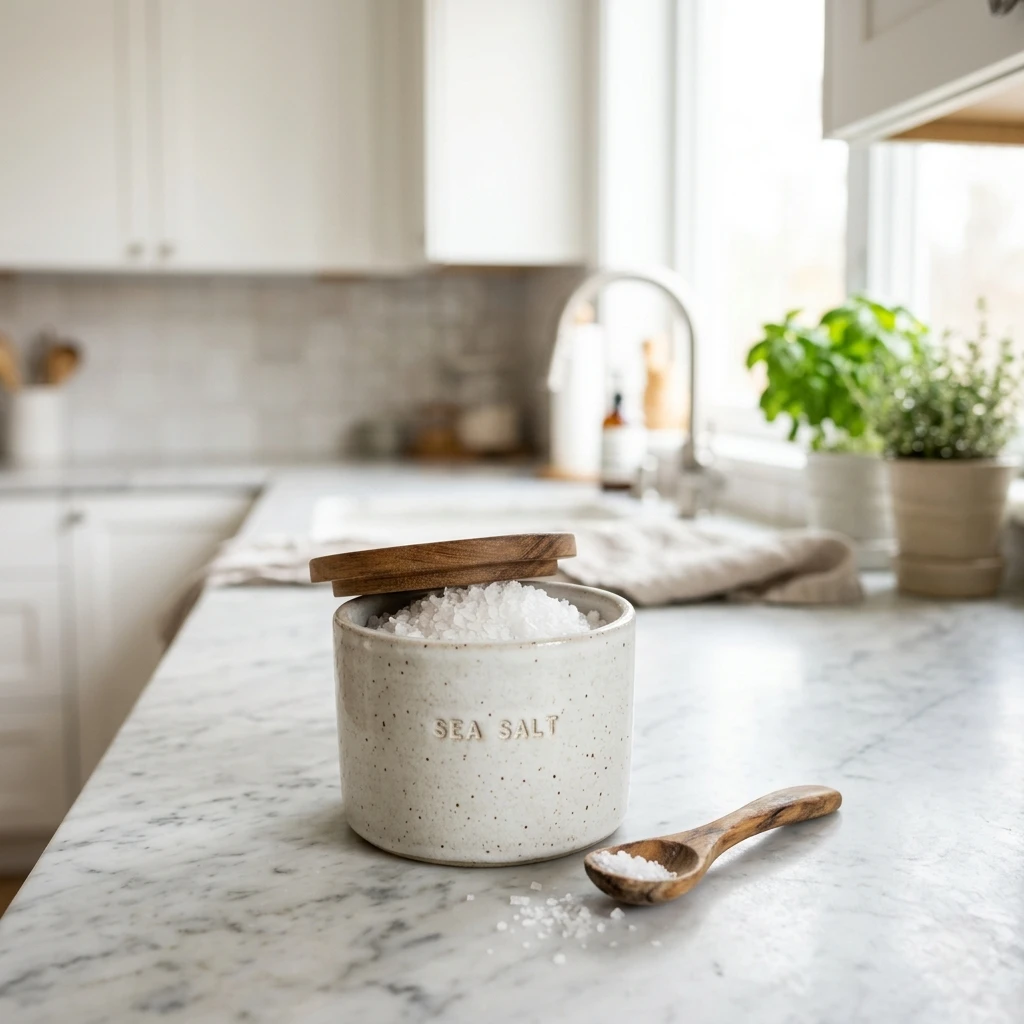
Store in non-corrosive airtight containers (Glass, Ceramic, Plastic) — Sealed & Anti-Corrosion 📦
Metal containers or lids react with salt over time, leading to rust and contamination. 💡 Storage Tip: Store salt in glass jars, ceramic pots, or airtight plastic containers and seal tightly to block ambient moisture and prevent rust.
Store at room temperature in a dry, cool cabinet — Room Storage (Indefinite) ☀️
Salt stays perfect in cool, shaded environments with low humidity. 💡 Storage Tip: Keep salt at room temperature (15–25°C / 59–77°F) with humidity below 70%. Pure sodium chloride (salt) creates an uninhabitable environment for microbes, lasting indefinitely if kept dry.
Use rice grains or food-grade desiccants — Clumping Prevention 🛡️
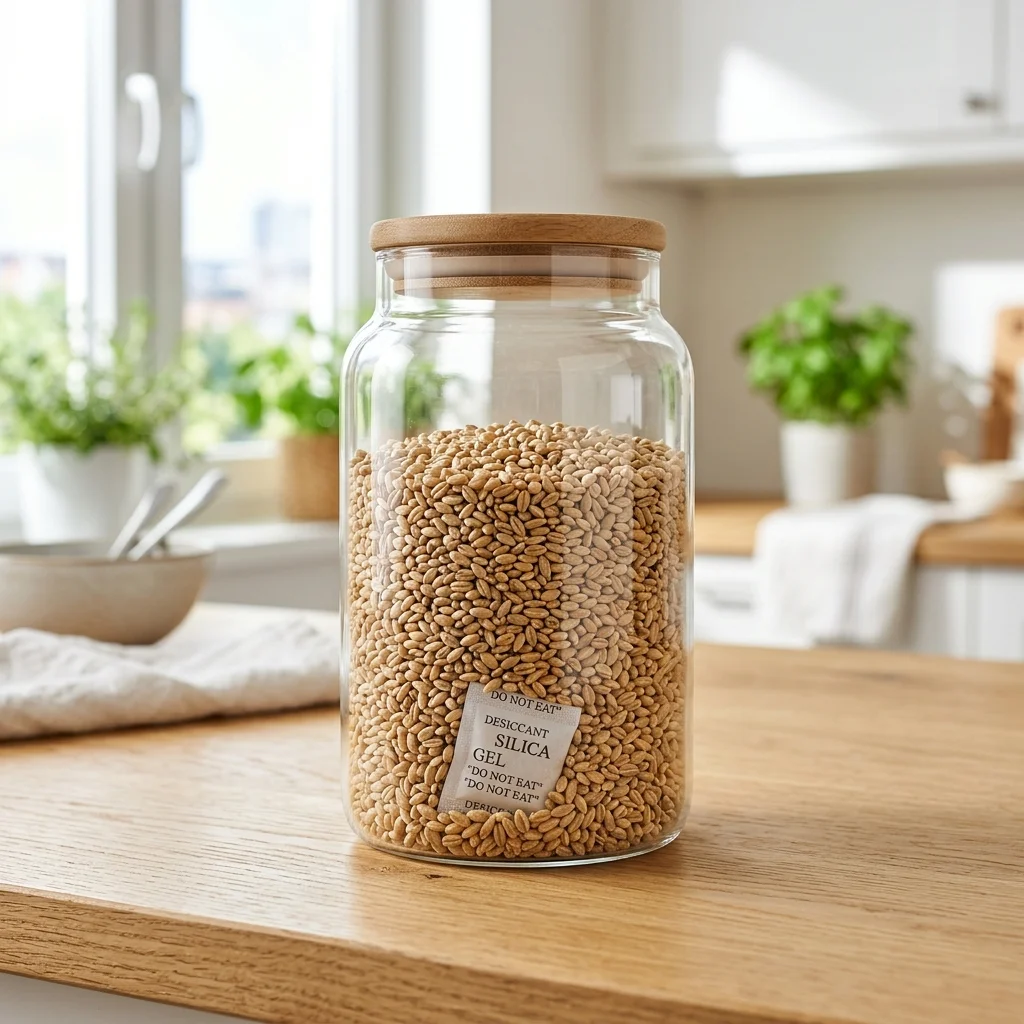
Prevent salt from absorbing ambient humidity before clumps form. 💡 Storage Tip: Add a few grains of dry uncooked rice or a food-safe silica gel packet to the bottom of your salt container. The rice or silica gel will absorb excess moisture before the salt does, keeping it free-flowing.
2. Essential Storage Rules and Cautions
Salt accelerates the rust and corrosion of metal containers like iron or stainless steel, and refrigerating salt causes condensation that turns it damp and runny. Always store salt at room temperature in glass, ceramic, or plastic containers.
Steam and heat generated while cooking directly reach salt shakers, causing salt particles to draw in moisture and harden. Keep salt shakers in a dry spice cabinet a step away from the cooking area.
📌 Frequently Asked Questions (FAQ)
Does salt ever expire? ▼
Pure natural or refined salt contains almost no moisture, making it impossible for bacteria or mold to grow. According to the US FDA and MFDS regulations, pure salt is exempt from expiration date labeling and lasts indefinitely. However, seasoned salts, herbal salts, or iodized salts may have a shelf life of 2–3 years as added ingredients can degrade.
How can I fix salt that has clumped together due to humidity? ▼
Dry-roast the clumped salt in a skillet over low heat without oil to evaporate moisture, or microwave it in a safe container for 20–30 seconds. Once cooled, it will return to its fine, dry texture.