Sesame seeds and roasted sesame seeds are essential finishing ingredients that add a rich, nutty flavor to Korean, Chinese, Japanese, Middle Eastern dishes, and baked goods! 🫘
Have you ever bought a large tub of roasted sesame seeds, kept it in your spice rack, only to find the rich aroma replaced by a stale, rancid smell over time?
Sesame seeds are high-fat condiments composed of over 50% unsaturated fatty acids. Roasted sesame seeds are particularly vulnerable because heating damages their cellular structure and exposes internal lipids. When exposed to oxygen, light, and heat, lipid oxidation progresses at an extremely rapid pace. Rancid sesame seeds not only smell unpleasant but can also generate harmful compounds like aldehydes. In this guide, introduces a scientifically proven 3-step sesame seed storage guide based on expert standards to preserve nutty flavor and nutrition for up to 1 to 2 years. 🛡️
Food Safety & Scientific Evidence
This content is based on RDA & USDA & MFDS.
 FreshSelf
Zero waste! Your smart storage assistant
FreshSelf
Zero waste! Your smart storage assistant









1. Scientifically Proven Storage Guide
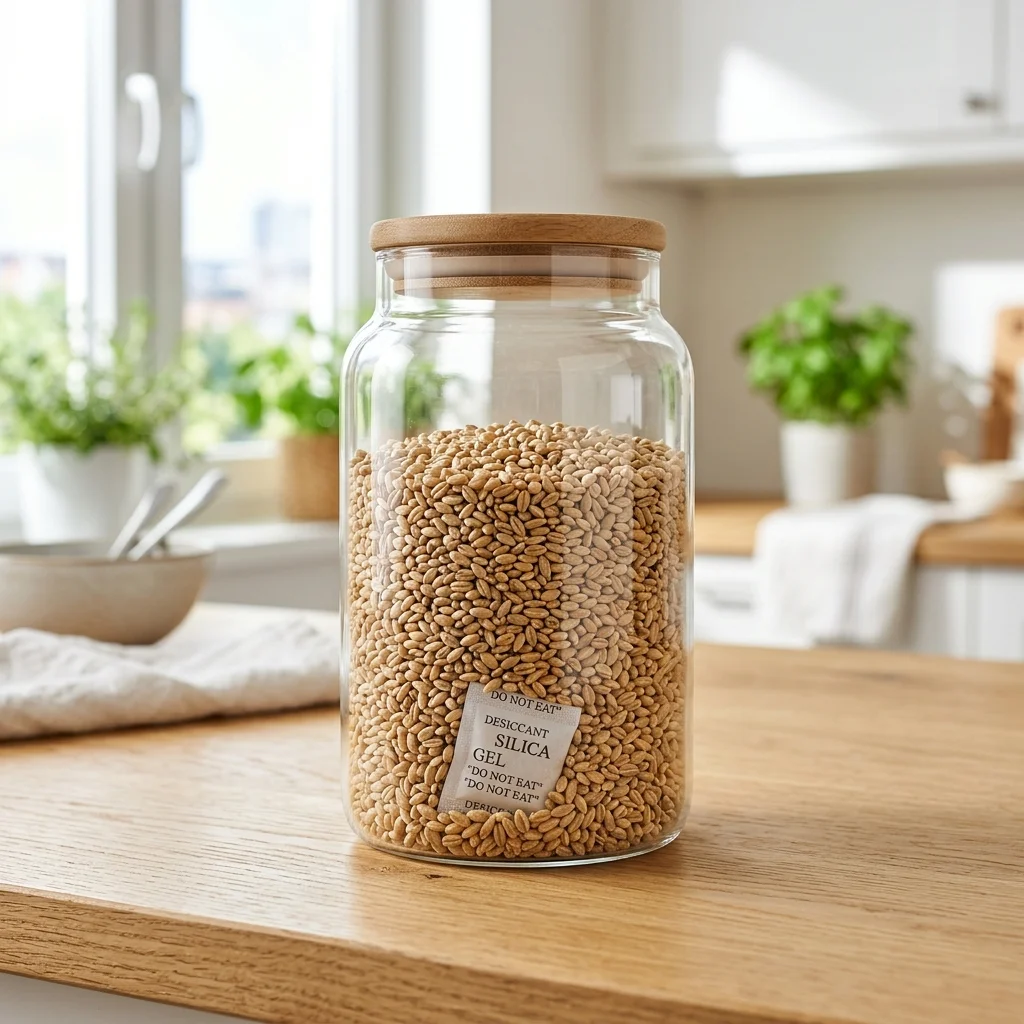
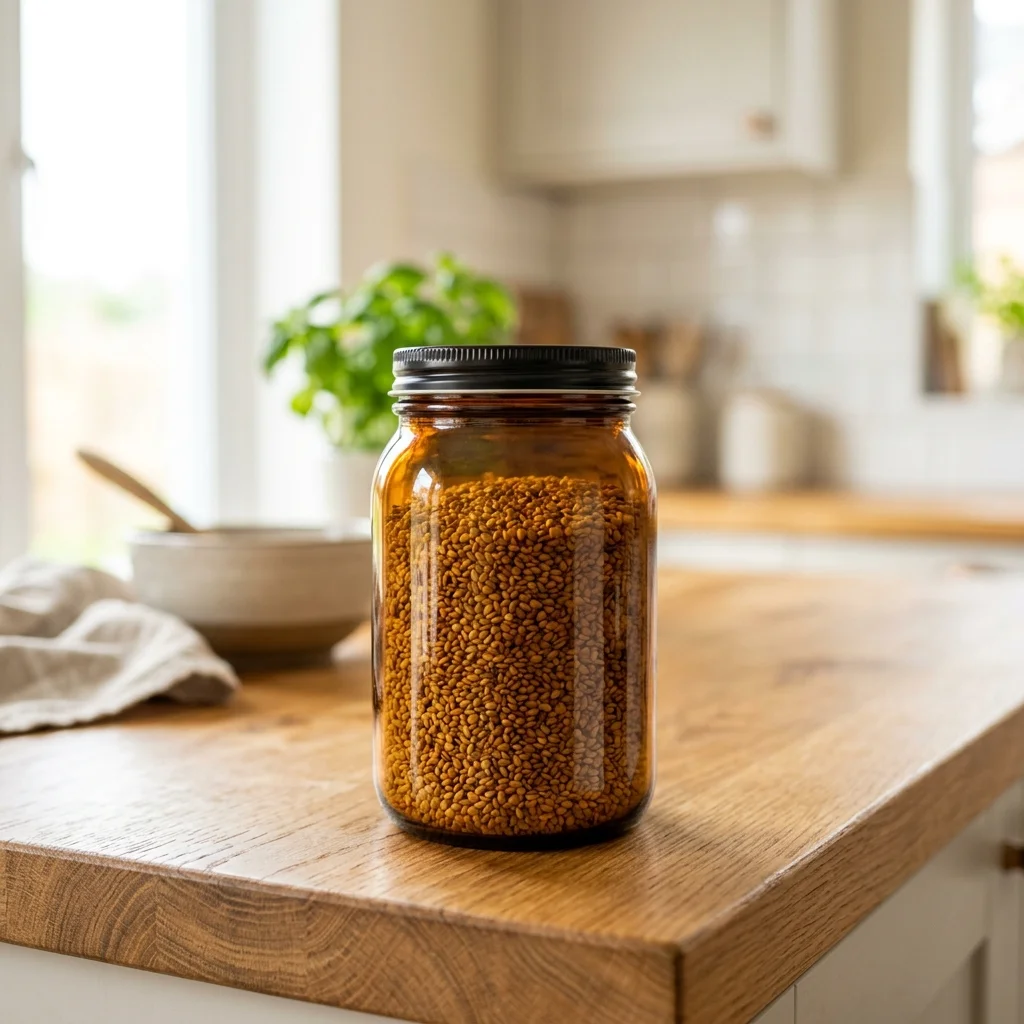
Store in light-blocking glass jars or airtight containers — Light & Oxygen Barrier 📦
Blocking both oxygen and light is the crucial first step to preventing rancidity. 💡 Storage Tip: Once roasted sesame seeds have cooled completely, transfer them to dark glass jars, opaque airtight containers, or light-shielding pouches with a silica gel desiccant packet to absorb residual moisture.
Seal and refrigerate small portions for daily use — Cold Storage (6 Months) ❄️
This cold storage method maintains freshness for sesame seeds used frequently within a few months. 💡 Storage Tip: Keep sealed containers in the refrigerator (0–4°C / 32–39°F) or crisper drawer. Cold temperatures significantly slow down fat oxidation, maintaining crunch and nuttiness for over 6 months.
Portion large quantities or raw seeds and freeze — Freezer Storage (1–2 Years) 🧊
The safest method for long-term storage without loss of quality. 💡 Storage Tip: Divide roasted or raw seeds into smaller Ziploc bags for 1–2 months of use, double-seal, and store in the freezer (-18°C or lower). Freezing virtually halts lipid oxidation, keeping seeds fresh and rancidity-free for 1 to 2 years.
2. Essential Storage Rules and Cautions
Heat, light, and moisture near gas stoves drastically accelerate lipid oxidation. Storing roasted sesame seeds at room temperature causes them to lose their nutty aroma and turn rancid within 1 to 2 months, so cold storage is mandatory.
Ultraviolet and visible light act as catalysts for photo-oxidation of the oils inside sesame seeds. Always store them in opaque, light-blocking airtight containers or dark glass jars.
📌 Frequently Asked Questions (FAQ)
My roasted sesame seeds smell stale/rancid. Is it safe to re-roast them or use them in cooking? ▼
No, absolutely not! A rancid odor indicates that unsaturated fats have oxidized, forming harmful chemical compounds such as aldehydes and ketones. Re-roasting or cooking rancid seeds does not destroy these harmful oxidized lipids, so rancid sesame seeds must be discarded immediately.
How should I use frozen sesame seeds so they don't become soggy? ▼
Opening a container of frozen sesame seeds immediately at room temperature causes moisture in the air to condense on the cold seeds, making them soggy. Quickly scoop out what you need and return the rest to the freezer immediately, or let the container reach room temperature before opening.