Have you ever opened a bag of sugar only to find it hardened into a rock-like block after a while, or absorbing surrounding odors and ruining your cooking? 🍯
Sugar is a prime example of a food ingredient without an expiration date because its extremely low water activity prevents microbial growth. However, it is highly hygroscopic (moisture-attracting) and acts like a sponge, readily absorbing humidity and strong smells from the air. Improper storage causes clumping, odor absorption, and pest attraction.
In this guide, introduces a scientifically proven 3-step storage guide based on expert food safety guidelines to keep your sugar fine, free-flowing, and fresh indefinitely. 🛡️
Food Safety & Scientific Evidence
This content is based on FDA & USDA & MFDS.
 FreshSelf
Zero waste! Your smart storage assistant
FreshSelf
Zero waste! Your smart storage assistant







1. Scientifically Proven Storage Guide
Transfer to an airtight container — Moisture & Odor Isolation 📦
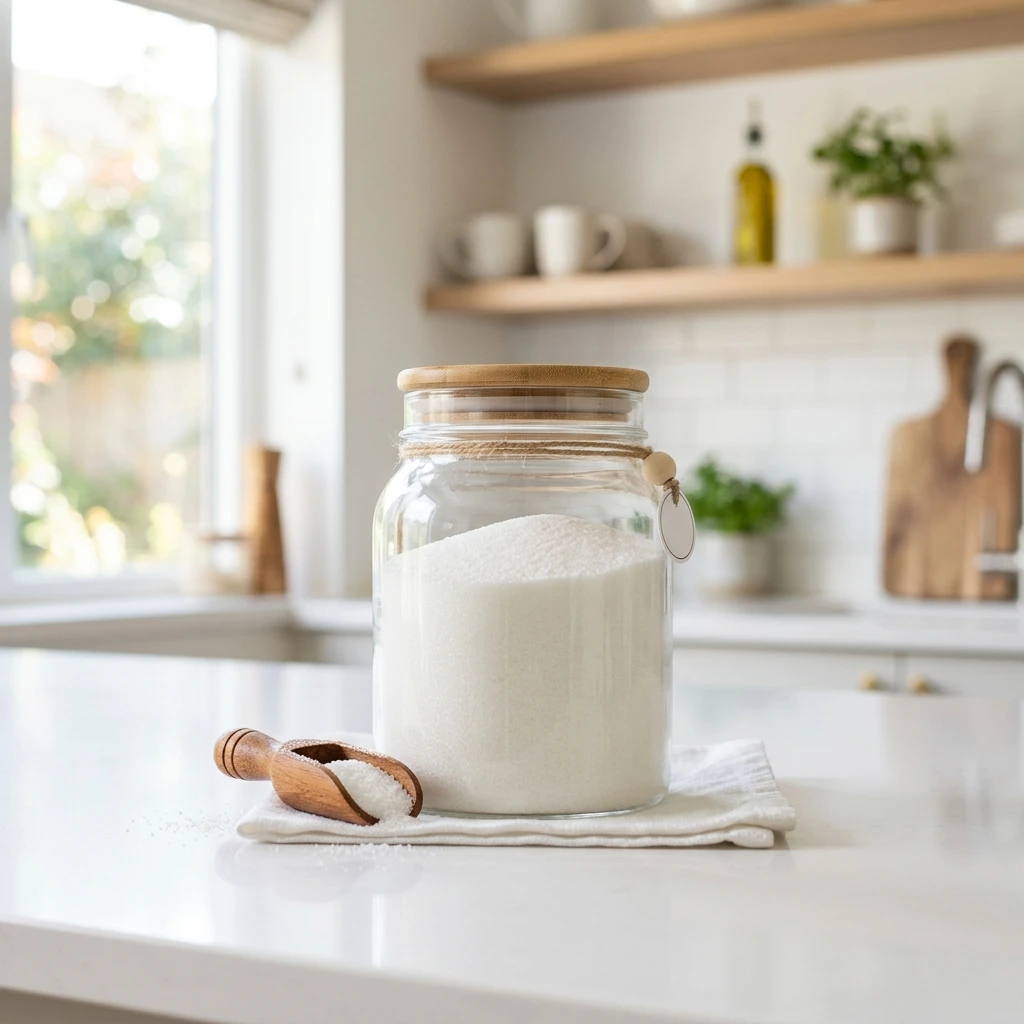
Leaving sugar in opened paper or plastic packaging allows ambient humidity and kitchen smells to seep in through small gaps. 💡 Storage Tip: Transfer opened sugar into an airtight glass jar or high-quality plastic container to completely block moisture and prevent odor absorption.
Store at room temperature in a cool, dry place — Room Storage (Indefinite) ☀️
Sugar thrives in low-humidity, well-ventilated, and cool environments. 💡 Storage Tip: Keep sugar in a pantry or cabinet away from direct sunlight and heat sources (like stoves) at a stable room temperature (15–25°C / 59–77°F) with humidity below 60%. Properly stored sugar will never spoil as microbes cannot grow in it.
Protect from pests and use food-grade desiccants — Pest & Clumping Barrier 🛡️
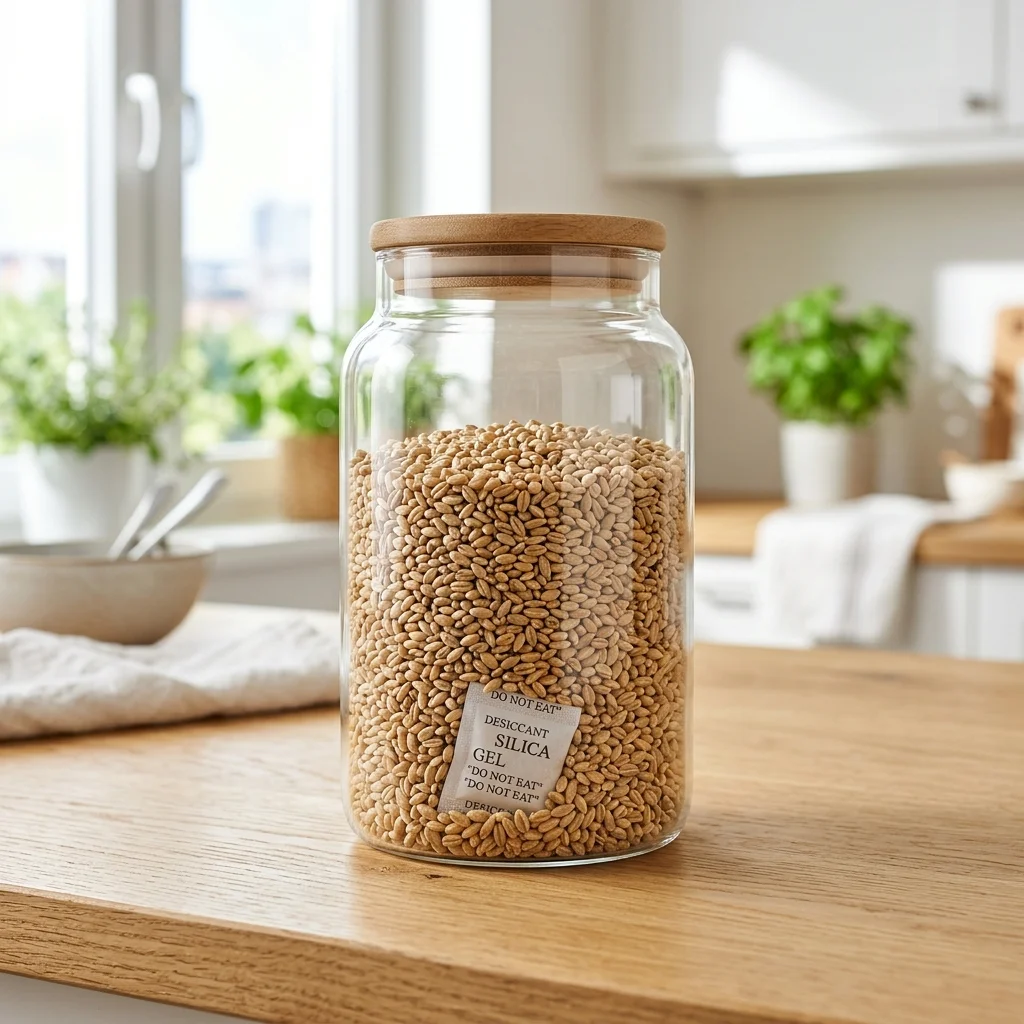
The natural sweetness of sugar readily attracts ants and small household insects. 💡 Storage Tip: Keep container rims clean, seal lids tightly, and store containers off the floor or away from walls. Placing a food-safe silica gel pack inside the container provides an extra shield against clumping.
2. Essential Storage Rules and Cautions
Refrigerating sugar causes condensation to form inside the container whenever it is brought out to room temperature. This moisture dissolves sugar crystals on the surface, causing them to bind together into a rock-hard solid.
Scooping sugar with a damp spoon or wet hands introduces water and potential microbes into the container, leading to stubborn clumping or sanitation issues. Always use a clean, completely dry spoon.
📌 Frequently Asked Questions (FAQ)
Does sugar ever expire? ▼
Pure refined sugar has a moisture content below 0.1%, making it impossible for bacteria and mold to survive or multiply. According to US FDA and MFDS regulations, sugar is exempt from expiration date requirements and can be stored indefinitely at room temperature if kept dry.
How can I soften sugar that has turned rock-hard? ▼
Place a slice of fresh bread or a marshmallow inside the sealed sugar container for about 24 hours. The sugar will absorb subtle moisture from the bread, restoring its soft texture. For a quick fix, microwave the hardened sugar in a bowl covered with a damp paper towel for 10–20 seconds.