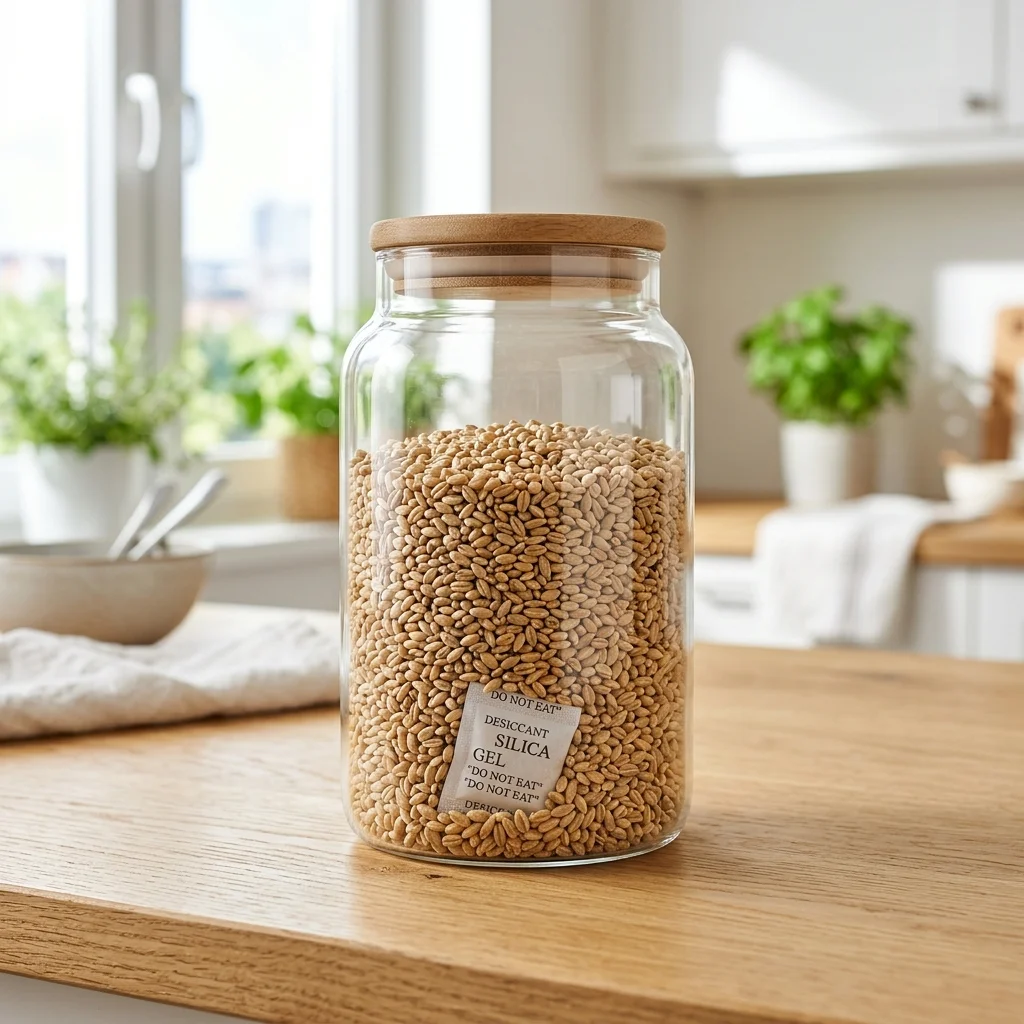
Have you ever left a bag of rice in the pantry or under the sink only to find rice weevils swarming or cooked rice turning dry and stale? 🌾
Rice is a living grain that continues to respire after harvest. When exposed to oxygen, humidity, and heat, its natural lipids oxidize, creating a stale odor and losing its tender texture. At temperatures above 15°C, rice weevils easily hatch and multiply, while humid environments risk harmful mold growth.
In this guide, introduces a scientifically proven 3-step rice storage guide recommended by agriculture and food safety experts to preserve peak freshness. 🛡️
Food Safety & Scientific Evidence
This content is based on RDA & USDA & MFDS.
 FreshSelf
Zero waste! Your smart storage assistant
FreshSelf
Zero waste! Your smart storage assistant









1. Scientifically Proven Storage Guide
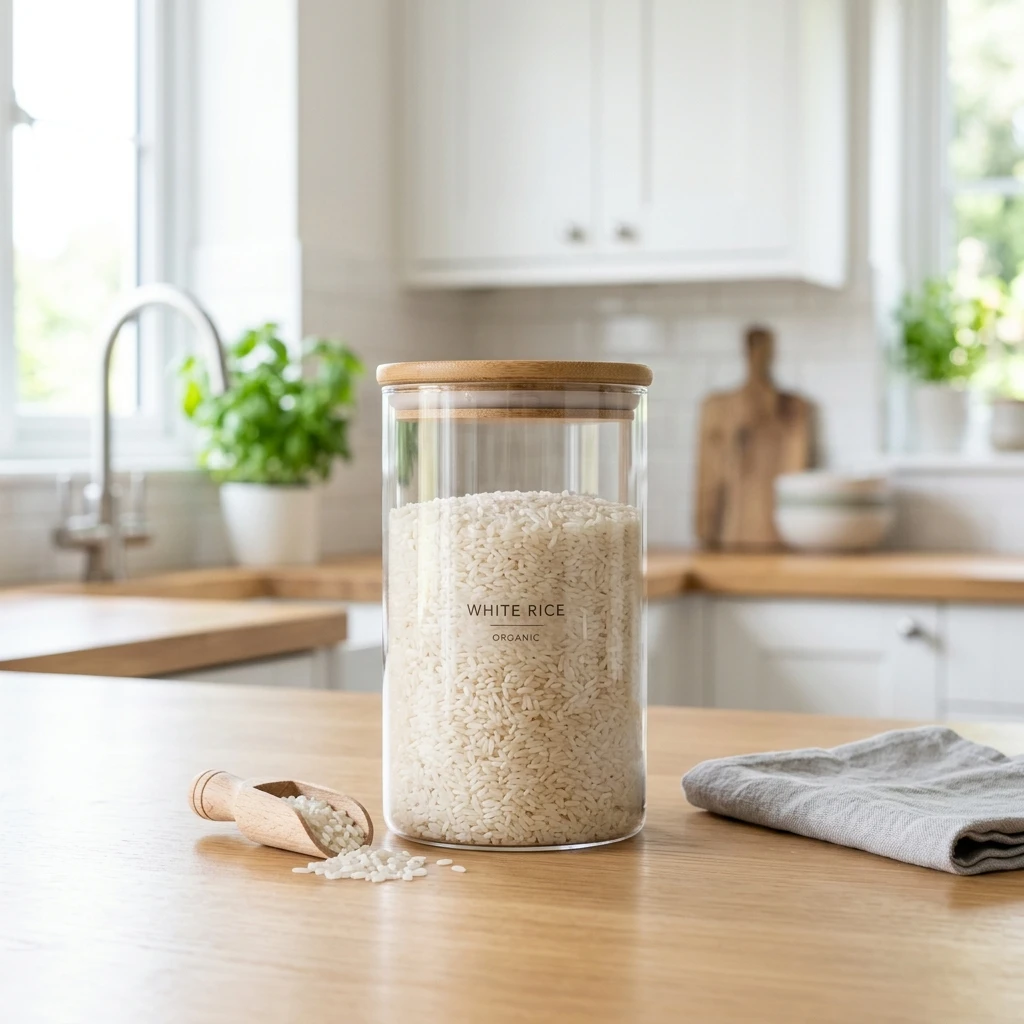
Portion into airtight containers (or PET bottles) immediately — Block Oxygen & Moisture 📦
Continuous exposure to air causes fats in rice to oxidize, producing stale smells and moisture loss. 💡 Storage Tip: Portion dry rice into completely clean, dry PET bottles or glass airtight containers and seal tightly. This preserves the ideal internal moisture content ( ~ 15%) and blocks oxygen and ambient humidity.
Keep in cold storage below 10–15°C — Peak Flavor Storage (3 Months) ❄️
Temperatures above 15°C trigger rice weevil eggs to hatch and increase respiration, degrading nutrients. 💡 Storage Tip: Rice stays freshest at temperatures below 10–15°C. Storing sealed containers in the refrigerator crisper drawer or cooler prevents pests completely and retains peak flavor and freshness for up to 3 months (80 days).
Shield from direct sunlight and strong odors — Environmental Control 🛡️
Direct sunlight causes rapid moisture evaporation, cracking the grains so starch leaks during cooking, making rice mushy. Rice also absorbs odors like a sponge. 💡 Storage Tip: Keep rice in a dark, cool spot, and double-seal it in the fridge away from odorous foods like garlic or fish.
2. Essential Storage Rules and Cautions
Store-bought paper bags easily allow air and moisture to pass through, stripping rice of its moisture and accelerating lipid oxidation. Pests can also easily bore through paper, so transfer rice to airtight containers immediately after purchase.
Cabinets under the sink have high humidity that fosters mold, while heat from stoves evaporates moisture from rice grains, causing them to crack and become chalky. Keep rice far away from hot, humid, or odorous areas.
📌 Frequently Asked Questions (FAQ)
How do I manage and prevent rice weevils? ▼
If weevils appear, spread the rice out in a shaded, well-ventilated area to let them crawl away. The most reliable scientific method for prevention is transferring rice to airtight containers immediately upon purchase and storing them at cold temperatures below 10–15°C.
Is there a tip for making delicious rice from older grains? ▼
Older rice loses moisture, so soak the grains in water for about 30 minutes before cooking. Adding a drop of cooking oil, a tablespoon of sake/rice wine, or a drop of vinegar to the cooking water restores luster, fluffiness, and eliminates stale odors.