The Italian Greyhound (IG) is a refined, slender sighthound beloved by urban pet parents for their gentle nature and clean habits. With extremely low body fat and thin single coats, they are highly sensitive to temperature drops. Furthermore, their long, delicate leg bones make them prone to radius/ulna fractures and patellar luxation if jumping from high furniture. In this guide, decodes IG behavioral signals and shares a 3-step daily care routine for year-round thermal protection and joint safety.
Veterinary & Behavioral Evidence
This content is based on American Kennel Club (AKC) Breed Standards and Veterinary Orthopedic Clinical Guidelines.
 FreshSelf
Keep pet food and supplements perfectly fresh!
FreshSelf
Keep pet food and supplements perfectly fresh!









1. Italian Greyhound Instincts: Emotional Trembling and Burrowing
Italian Greyhound Instincts: Emotional Trembling and Burrowing
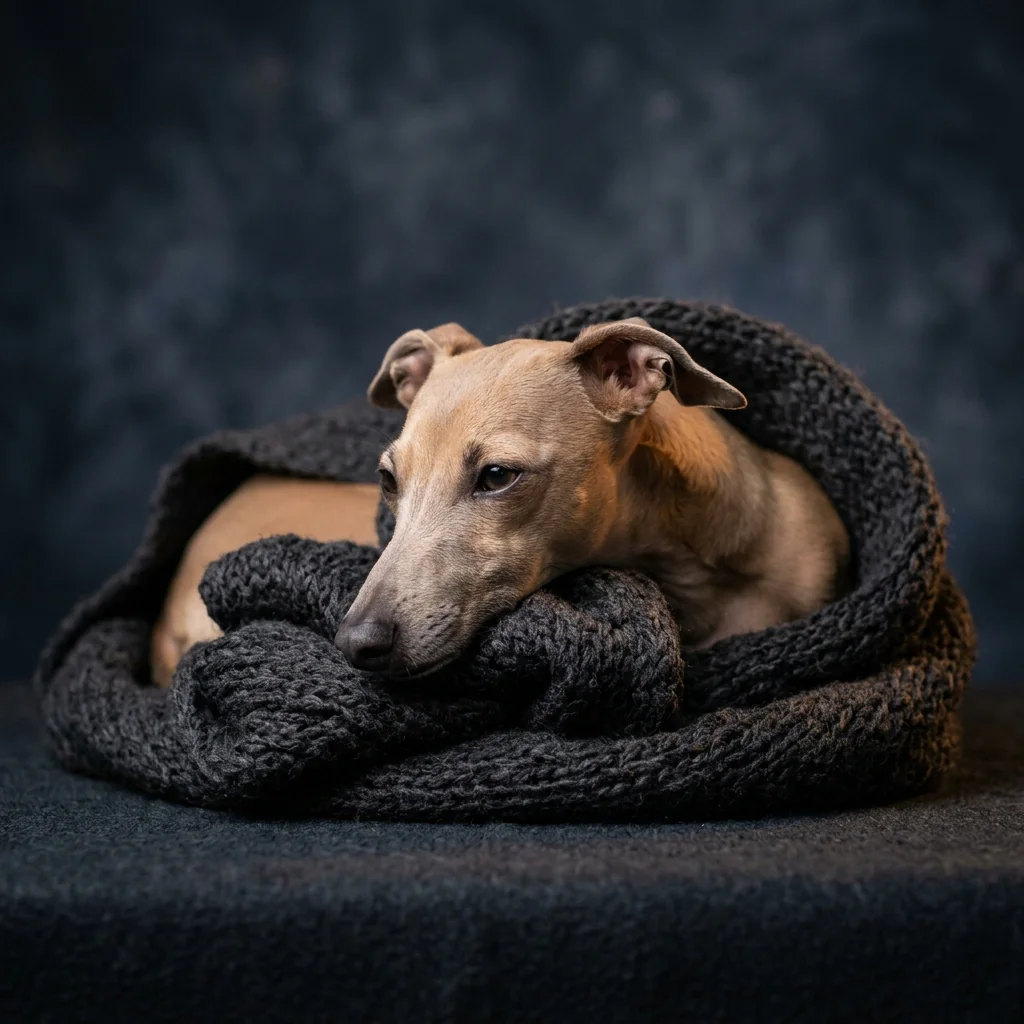
Italian Greyhounds communicate intense emotions through physical signals. Beyond feeling cold, they often tremble or chatter their teeth when experiencing high excitement, anticipation, or anxiety. Additionally, due to their minimal body fat, they possess a strong natural instinct to burrow deep under blankets to conserve heat and seek psychological security.
2. Italian Greyhound (Piccolo Levriero Italiano)‘s Body Language & Behavioral Signals
Trembling & Teeth Chattering
An indicator of cold temperature, or a sign of heightened emotional arousal such as excitement, anticipation, or mild stress.
Check room temperature and put on a sweater if chilly; offer calm, reassuring touch to soothe emotional excitement.
Burrowing Under Blankets (Nesting)
A natural thermoregulation and security habit to retain body heat and rest away from drafts and bright lights.
Provide soft, warm fleece blankets and ensure their sleeping nook is cozy, well-ventilated, and safe.
3. Customized 3-Step Home Care Routine for Italian Greyhound (Piccolo Levriero Italiano)
Morning: Seasonal Apparel Fitting & Gentle Joint Warm-up
Check outdoor weather to dress them in warm coats (winter) or UV gear (summer). Lightly massage their slender legs before short walks to prevent muscle stiffness.
Afternoon: Indoor Non-Slip Floor Check & Pet Step Setup
Inspect pet stairs beside sofas and beds, and ensure non-slip rugs cover smooth flooring to eliminate fracture and patellar luxation hazards.
Evening: Leg & Skin Inspection and Warm Resting Setup
Examine their delicate limbs and thin skin for scratches or limping after activity, then set up a warm, draft-free nest for restorative sleep.
📌 Frequently Asked Questions (FAQ)
Are Italian Greyhounds suitable for apartment living? ▼
Yes, exceptionally so. They have virtually no body odor, shed minimally, and act as quiet 'couch potatoes' indoors. They simply need short, quality daily walks and safe indoor play.
Is clothing mandatory for Italian Greyhounds during cold weather? ▼
Yes. Because they lack insulating undercoats and body fat, temperatures below 10–15°C (50–60°F) pose a real hypothermia risk. Fitted sweaters, coats, or fleece overall suits are essential.