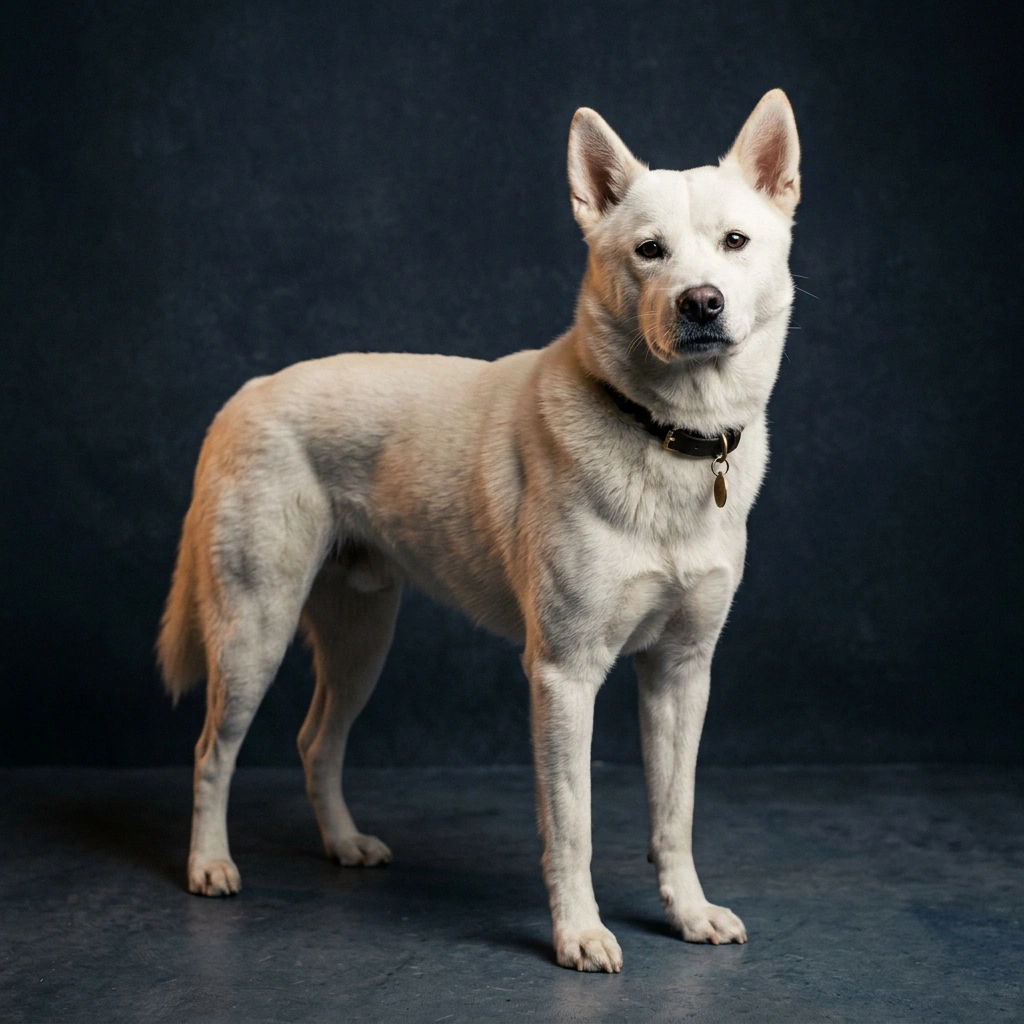
The Jindo dog is Korea’s national treasure and a globally recognized breed known for its loyalty and intelligence. They share an intense bond with their primary handler, but due to their high alertness and one-owner nature, missing their socialization window can make them overly defensive toward strangers or other animals. 🐕 Additionally, they possess a dense double coat evolved for distinct seasonal climates, leading to heavy shedding during seasonal transitions. In this guide, we share socialization tips to reduce caution and a 3-step homecare routine to manage their double coat.
Veterinary & Behavioral Evidence
This content is based on National Institute of Animal Science Jindo Standards & KKC Behavior Expert Protocol.
 FreshSelf
Keep pet food and supplements perfectly fresh!
FreshSelf
Keep pet food and supplements perfectly fresh!









1. Jindo Body Language: Signals of Loyalty and Caution
Jindo Body Language: Signals of Loyalty and Caution
Jindo dogs communicate stoically and express clear intent through the angles of their tail and ears. Standing the tail straight up and pointing the ears forward indicates alert focus and high tension, where sudden approaches by strangers may trigger defensive reactivity. Conversely, holding the tail low, wagging it slowly, and flattening ears sideways signifies deep submission, comfort, and affection toward the owner.
2. Jindo Dog (Canis lupus familiaris)‘s Body Language & Behavioral Signals
Erect Tail & Forward Ears
Alert and focused on an unfamiliar target in a state of high tension.
Avoid sudden touch or eye contact, ask strangers not to pet them, and let the owner calm the dog down quietly.
Low Tail & Flat Ears
Deep obedience, trust, and affection directed toward the owner.
Stroke them gently and offer verbal praise to continually reinforce the positive bond.
3. Customized 3-Step Home Care Routine for Jindo Dog (Canis lupus familiaris)
Morning: Socialization Walks Focused on Peaceful Sniffing (Nosework)
Walk in quiet morning hours with fewer triggers to desensitize them to environmental stimuli through ample sniffing opportunities.
Afternoon: Double Coat Brushing to Remove Dead Undercoat
Use a slicker brush and a steel comb to remove trapped undercoat hairs and dead fur, preventing matting and dermatitis.
Evening: Cooperative Touch Handling and Positive Reinforcement
Gently handle sensitive areas like paws, ears, and snout while offering treats to build positive memories associated with grooming.
📌 Frequently Asked Questions (FAQ)
Is a Jindo dog difficult to raise indoors? ▼
They adapt well to indoor living if you can accommodate their strict preference for outdoor elimination and heavy shedding. However, at least two daily outdoor walks and mental stimulation are essential.
My Jindo is not friendly with other dogs. Is that normal? ▼
Yes. Jindos are naturally independent and highly territorial, so forcing them to socialize with other dogs is unnecessary. Train them to maintain 'social neutrality'—passing by other dogs calmly without barking or reacting.