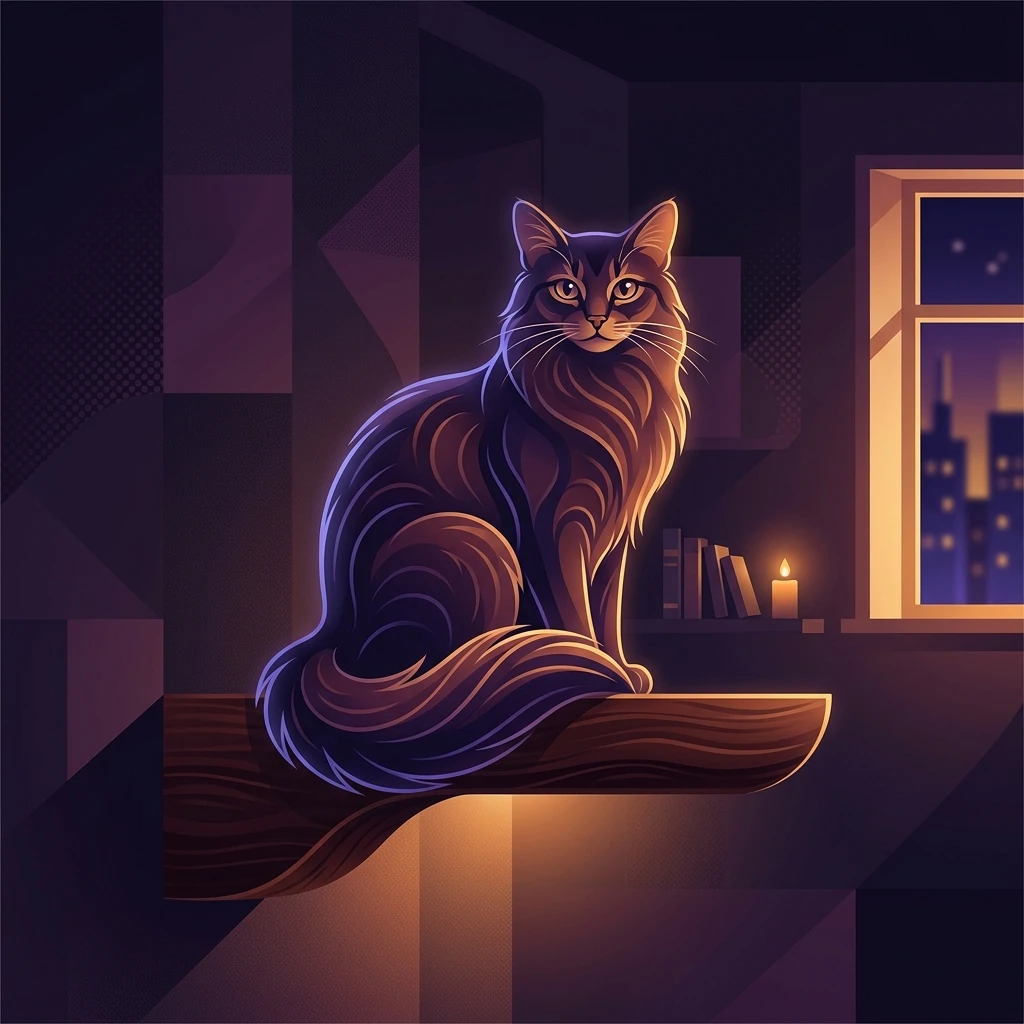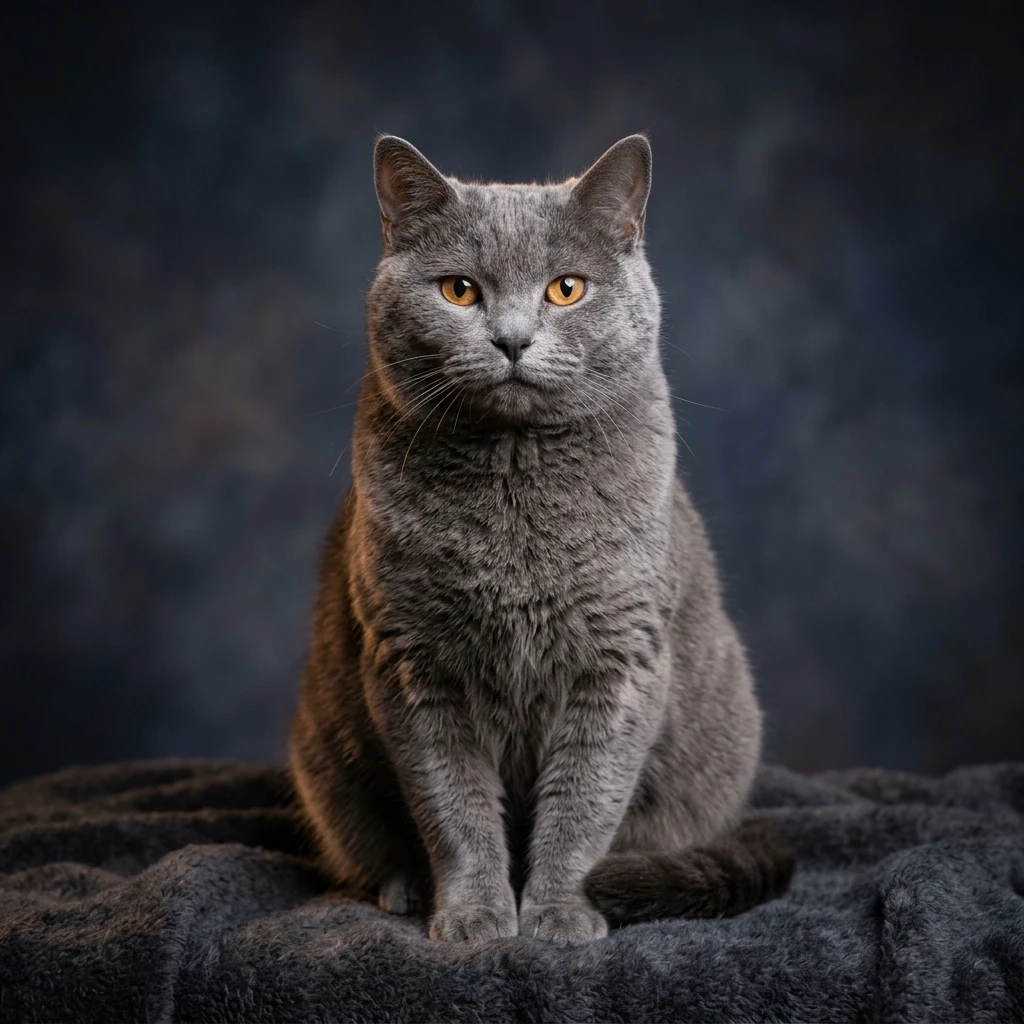
The Chartreux is a legendary French breed cherished worldwide for its famous ‘smiling’ facial expression and luminous blue-grey double coat. Often hailed as the ‘Silent Cat of France’, they rarely vocalize loudly, possessing a calm, sweet temperament alongside high intelligence that often manifests in dog-like behaviors like playing fetch. However, their thick, woolly, water-repellent coat requires regular grooming to prevent hairballs, and their quiet indoor nature makes them prone to obesity without structured play and dietary control. In this guide, we decode the Chartreux’s subtle communicative signals and reveal a 3-step daily routine for mental enrichment, coat health, and weight management.
Veterinary & Behavioral Evidence
This content is based on Cat Fanciers' Association (CFA) Breed Standards & The International Cat Association (TICA) Veterinary Guidelines.
 FreshSelf
Keep pet food and supplements perfectly fresh!
FreshSelf
Keep pet food and supplements perfectly fresh!









1. Chartreux Instincts: The ‘Smiling’ Facial Structure and Soft Chirping Signals
Chartreux Instincts: The 'Smiling' Facial Structure and Soft Chirping Signals
Due to their unique facial bone structure and muzzle shape, Chartreux cats appear to be perpetually 'smiling'. They communicate not through loud meowing, but through quiet chirping, soft purring, or silent body language that reveals their gentle curiosity and deep affection.
2. Chartreux’s Body Language & Behavioral Signals
Soft Chirping & Quiet Purring
Making soft bird-like chirps or purrs instead of loud meows, signaling gentle affection, contentedness, and a warm greeting.
Respond with a slow blink and gentle strokes under their chin to reinforce mutual trust and emotional connection.
Fetching & Focused Staring
Bringing a toy in their mouth or staring intently at their owner, indicating high intelligence and a desire for cognitive stimulation and interactive play.
Toss the toy for a game of fetch or introduce a puzzle feeder to challenge their sharp mind.
3. Customized 3-Step Home Care Routine for Chartreux
Morning: Measured High-Protein Meal & Puzzle Toy Enrichment
Feed a precise, calorie-controlled protein diet to prevent obesity, followed by an interactive puzzle toy to stimulate their active mind.
Afternoon: Dense Woolly Double-Coat Brushing & Fetch Session
Gently comb through their water-repellent double coat with a slicker brush to remove loose undercoat, then engage in a 15-minute game of fetch.
Evening: Weight & Skin Inspection & Calm Bonding
Check their body weight, skin condition, and ears, then provide quiet affection in a peaceful environment to prepare them for restful sleep.
📌 Frequently Asked Questions (FAQ)
Is it true that Chartreux cats rarely meow? ▼
Yes. Chartreux cats are widely known as the 'Silent Cats of France'. They vocalize infrequently and softly, relying mostly on gentle chirps, quiet purrs, or expressive body language rather than loud meows.
How should I groom a Chartreux's coat and prevent weight gain? ▼
Chartreux have a thick, woolly double coat that needs brushing 2–3 times a week to remove dead undercoat and prevent hairballs. Because they are naturally calm indoors, strict portion-controlled feeding paired with daily puzzle games or fetch sessions is essential to prevent obesity.