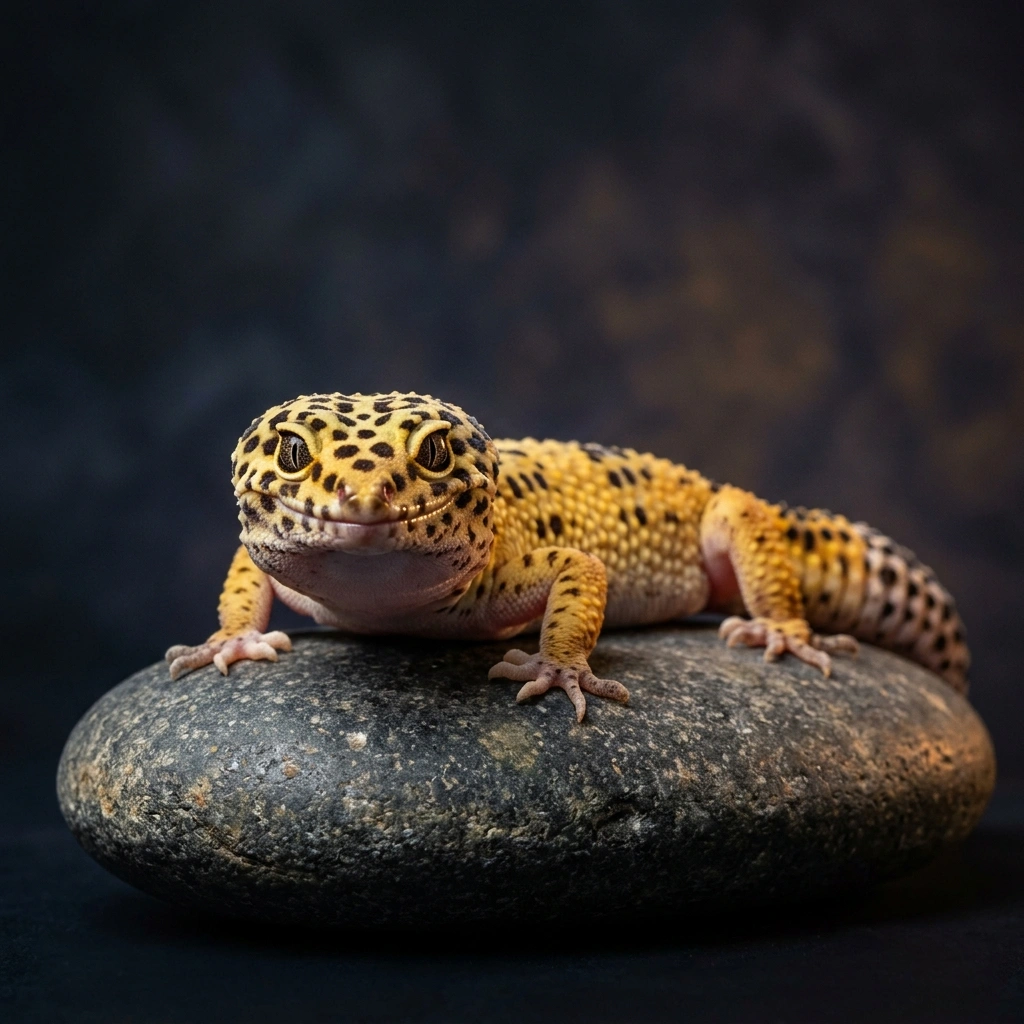
With their smiling expressions and distinctive spotted tails, Leopard Geckos are the premier choice for reptile companion keepers. According to ARAV guidelines, as ectothermic creatures dependent on external heat sources, establishing a precise thermal gradient (Hot Zone 30°C ~ 32°C / Cool Zone 24°C ~ 26°C) and maintaining a humid hide (Wet Cave) is fundamental to their survival.
Veterinary & Behavioral Evidence
This content is based on Association of Reptilian and Amphibian Veterinarians (ARAV) Care Guidelines & Reptile Clinical Standards.
 FreshSelf
Keep pet food and supplements perfectly fresh!
FreshSelf
Keep pet food and supplements perfectly fresh!






1. Leopard Gecko Body Language: Deciphering Tail Movements and Pre-Shedding Clues
Leopard Gecko Body Language: Deciphering Tail Movements and Pre-Shedding Clues
A gecko's plump tail is both a vital fat reservoir and a primary communication instrument. Distinguishing between slow, defensive tail waving and joyful tail wiggles during feeding prevents unnecessary handling stress.
2. Leopard Gecko (Eublepharis macularius)‘s Body Language & Behavioral Signals
Tail Elevated & Waved Slowly in S-Curves (Slow Tail Waving)
A high-alert defensive posture indicating the gecko feels threatened or startled by a predator signal.
Immediately halt handling, withdraw your hand slowly, and allow the gecko to retreat into its shelter undisturbed.
Skin Becoming Dull White & Eye Rubbing (Pre-Shedding Signal)
The imminent onset of shedding (ecdysis); old keratin layers are loosening and require high humidity.
Generously mist moss or paper towels inside the humid hide with warm water to raise local humidity above 70%.
3. Customized 3-Step Home Care Routine for Leopard Gecko (Eublepharis macularius)
Morning: Thermal Gradient Inspection & Humid Hide Warm Misting
Verify under-tank heat mat temperatures (30°C ~ 32°C) and mist the humid hide substrate with warm water.
Afternoon: Daytime Quietness & Shielded Hide Darkness Maintenance
Avoid direct sunlight and loud environmental vibrations to ensure deep, undisturbed nocturnal rest during daylight hours.
Evening: Tongs Feeding with Dusted Live Insects & Spot Cleaning
Feed gut-loaded crickets or mealworms dusted with calcium (alternating D3 supplements) using tongs, and immediately remove waste from substrate.
📌 Frequently Asked Questions (FAQ)
How should I safely handle stuck shed skin remaining on toe tips? ▼
Retained toe shed can constrict blood circulation and lead to toe necrosis. Soak the feet in a shallow warm water bath (30°C) for 5 minutes, then roll off skin gently using a damp cotton swab.
What does it mean if my Leopard Gecko's tail suddenly thins out? ▼
A gecko's tail stores nutrient fat reserves. Rapid tail thinning indicates anorexia, severe stress, or gastrointestinal parasite infection requiring immediate ARAV vet diagnosis.