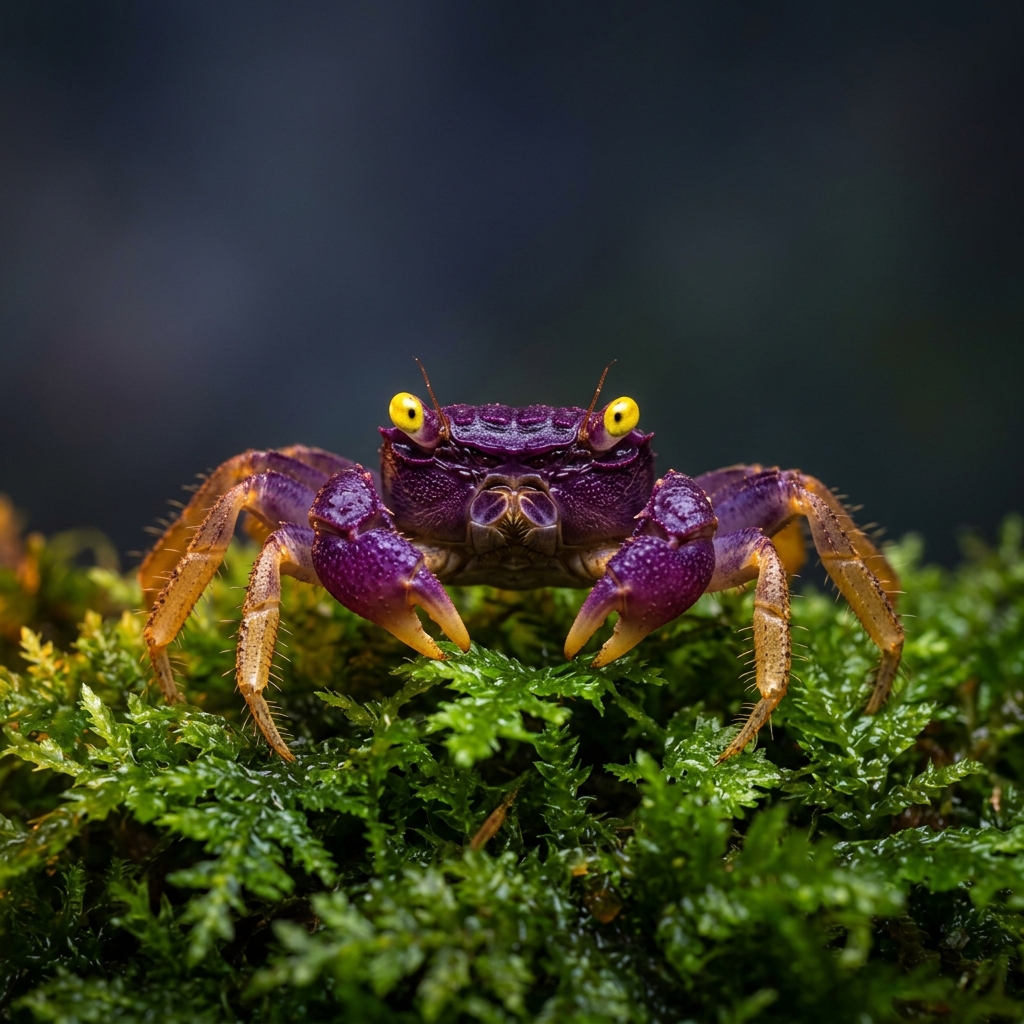
Famous for their round bodies and oversized mouths resembling the classic arcade character, the Pacman Frog (Ceratophrys) is a beloved terrestrial amphibian kept worldwide. As sedentary ambush predators that bury themselves in substrate waiting for prey, Pacman Frogs possess voracious appetites. However, they are extremely vulnerable to intestinal impaction caused by ingesting substrate or oversized prey. Furthermore, because amphibians possess semi-permeable skin that directly absorbs water, electrolytes, and toxins, poor water quality or bacterial contamination can cause fatal Red Leg Disease and toxic shock. In this guide, presents a 3-step daily care routine to decode your Pacman Frog’s body language and protect its health.
Veterinary & Behavioral Evidence
This content is based on Association of Reptilian and Amphibian Veterinarians (ARAV) & Amphibian Ark Care Standards.
 FreshSelf
Keep pet food and supplements perfectly fresh!
FreshSelf
Keep pet food and supplements perfectly fresh!







1. Pacman Frog Body Language: Deep Burrowing (Estivation) and Pedal Luring
Pacman Frog Body Language: Deep Burrowing (Estivation) and Pedal Luring
Pacman Frogs communicate environmental needs and hunting readiness through burrowing depth and subtle toe movements. Burying their entire body beneath the substrate 'Deep Burrowing / Estivation' is a natural resting behavior or a protective response against low ambient humidity. Conversely, twitching the tips of their hind toes in a worm-like motion while staring at prey 'Pedal Luring' is a predatory signal indicating they have locked onto prey and are ready to strike.
2. Pacman Frog (Ceratophrys)‘s Body Language & Behavioral Signals
Burying Entire Body Deep into Substrate (Deep Burrowing / Estivation)
Normal nocturnal resting or a protective defense mechanism triggered by dry conditions to preserve skin moisture.
Check substrate moisture and ambient humidity (70–80%) immediately, misting to prevent cocoon formation or dehydration.
Rhythmically Twitching Tips of Hind Toes while Fixing Gaze on Prey (Pedal Luring)
An instinctual predatory behavior used to lure prey closer before striking.
Never feed by hand; use long, blunt-tipped feeding tongs to present appropriately sized prey safely.
3. Customized 3-Step Home Care Routine for Pacman Frog (Ceratophrys)
Morning: Climate Check (24–28°C, 70–80% Humidity) & Dechlorinated Water Dish Replacement
Replace water dish daily using treated dechlorinated water, as tap chlorine and heavy metals are absorbed directly through skin.
Afternoon: Substrate Hygiene Spot-Check & Waste Removal to Prevent Red Leg Disease
Promptly scoop feces and urates to eliminate ammonia buildup and bacterial proliferation responsible for bacterial dermatosepticemia.
Evening: Impaction-Safe Feeding with Calcium Supplementation & Quiet Dark Environment
Feed feeder items smaller than half their head size on a clean rubber mat or feeding dish to prevent substrate ingestion.
📌 Frequently Asked Questions (FAQ)
Why should I never handle my Pacman Frog with bare hands? ▼
Pacman Frogs have highly sensitive, semi-permeable skin that absorbs water, oils, salts, lotions, and bacteria directly into their bloodstream, leading to systemic toxicity. Additionally, human body temperature (37°C) is hot enough to cause thermal stress or burns. Handling should be avoided; if necessary, use powder-free latex gloves moistened with dechlorinated water.
My Pacman Frog swallowed substrate, has a bloated abdomen, and hasn't defecated; is it impaction? ▼
Intestinal impaction is a serious risk when Pacman Frogs ingest substrate (coco coir, moss, gravel) or hard-shelled prey. Prepare a shallow lukewarm bath (27–29°C) filled up to their chin height for 15–20 minutes to stimulate bowel movement. If the abdomen remains hard or lethargy persists, consult an exotic veterinarian immediately.